
The Labuan Bajo Paradox: Marine Tourism Dominates, Land-Based Creative Sector Neglected
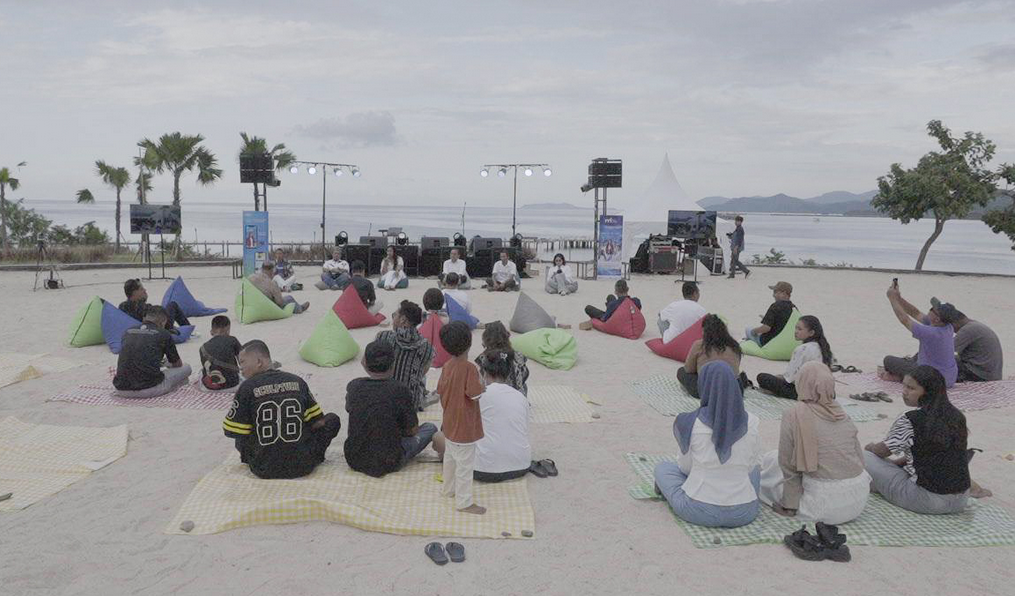
Behind the popularity of the Komodo National Park area, around 95% of tourist visits remain concentrated at sea. This dominance not only creates pressure on the environment but also generates economic disparities. The land-based creative sector, expected to serve as a pillar, has yet to develop optimally due to limited access and facilities. The allure of the marine world is indeed renowned globally, but without fair space for the local creative industry, the region’s economic foundation risks remaining lopsided. West Manggarai Regional Secretary, Fransiskus Sales Sodo, described this situation as reflecting the complexity of tourism governance that is not yet fully integrated. “Labuan Bajo tourism is a very complex ecosystem. However, currently, tourism activities are still very dominant at sea,” he stated in a received comment on Tuesday (31/3/2026). Creative UMKM actor, Rino, emphasised that the main issue is not just marketing, but the absence of physical space. “We don’t even have a clear stall yet. While large-scale development is underway, space for local products is very limited,” he said. This statement underscores the paradox of Labuan Bajo’s development: premium infrastructure is growing rapidly, yet local actors still struggle to find a place in that ecosystem. A similar view was expressed by creative worker, Suci Maria. She assessed that the minimal creative space impacts the weakness of local narratives in tourism promotion. “If there is no space to create and showcase, how can we build stories from a local perspective?” she said. Meanwhile, Koko Ama highlighted the limited facilities for creative communities that still operate independently. “We don’t have a fixed space. Even appreciation comes more from outsiders,” he said.