
The journey home grows ever more expensive
Every year, the mudik (homecoming) story begins with something that seems simple: the desire to go home. From bustling, crowded cities, people pack their belongings and embark on long journeys carrying a year’s worth of longing.
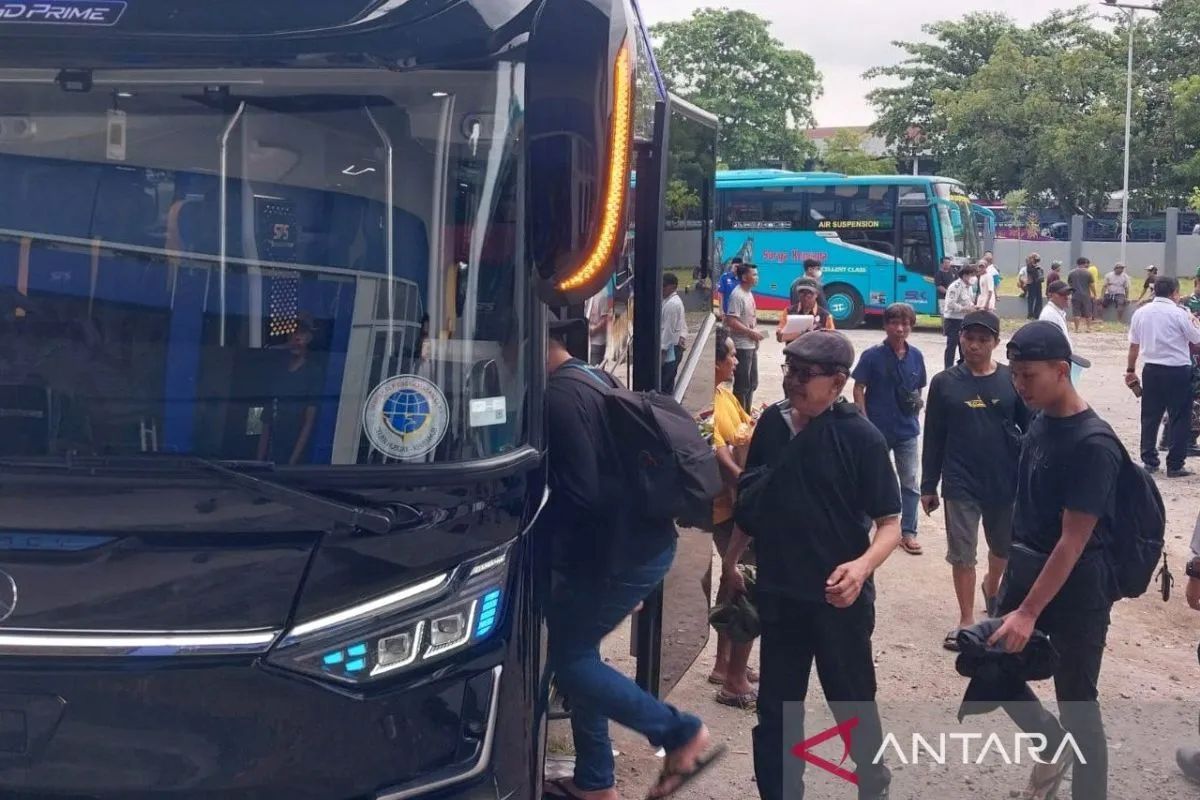
At Mandalika Terminal in Mataram, West Nusa Tenggara (NTB), this scene becomes palpable several days before Lebaran. Passengers arrive with large bags, gift boxes, and faces that blend exhaustion with happiness.
Mudik is far more than just a journey. It is a social ritual that reaffirms family relationships and one’s connection to one’s hometown. However, amid the hustle of the terminal and queues for buses heading to Sumbawa Island, there is one problem that emerges almost every year: bus ticket prices surging and even exceeding government-set fare limits.
Monitoring of the mudik flow revealed that some bus operators were selling tickets above the maximum regulated fares. For the Mataram to Bima route, for instance, executive class tickets were found being sold for approximately 350,000 rupiah, whereas the regional government’s maximum limit was around 330,000 rupiah. Meanwhile, sleeper class tickets occasionally reached 550,000 rupiah, exceeding the maximum limit of 525,000 rupiah.
These figures may appear small when viewed in nominal terms. A difference of 20,000 or 25,000 rupiah does not sound particularly large. However, for families travelling during mudik, this difference can become a noticeable additional burden. Particularly when passenger numbers increase and transportation options become more limited.
This phenomenon reveals problems that run deeper than mere ticket price increases. It demonstrates how market mechanisms, transport regulation, and public needs converge at a point that is often unbalanced.
As Lebaran approaches each year, public mobility increases drastically. In NTB, the mudik flow is not only to areas outside the province, but also occurs intensely within the province, especially from Lombok Island to Sumbawa Island.
Mandalika Terminal has become a critical hub for this mobility. At NTB’s largest terminal, approximately 161 bus units serve intercity travel, both between provinces and within the province. Routes to West Sumbawa, Sumbawa, Dompu, and Bima become the busiest corridors during each mudik season.
Surging transport demand almost always creates price pressure. In simple economic logic, when demand rises while capacity remains limited, prices will be pushed upward. This phenomenon occurs not only in NTB, but throughout various regions in Indonesia.
However, public transport is not an ordinary commodity. It concerns a basic public service, particularly during important moments such as Lebaran mudik.
For this reason, the government has established a system of upper and lower fare limits as a protection mechanism for passengers whilst providing operators with room to maintain profitability.