
The Irony of the Nabilah "Bibi Kelinci" Case: When the Theft Victim Becomes a Suspect
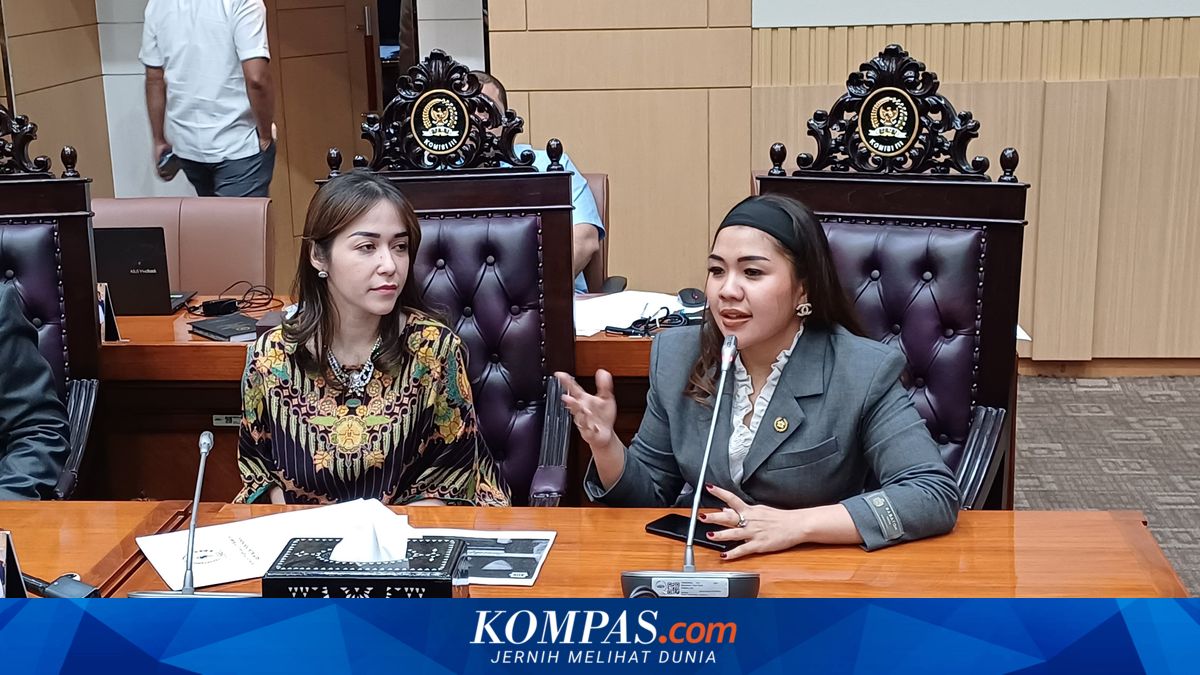
Jakarta — The case of Nabilah O’Brien, an online celebrity and owner of the restaurant Bibi Kelinci, has become a stark example of the irony in law enforcement in the country.
Nabilah, who was the victim of theft, was nevertheless designated as a suspect by the Indonesian National Police’s Criminal Investigation Directorate (Bareskrim Polri) in a case of defamation and libel after she uploaded a recording of the theft to social media.
Although the case has now been resolved and settled amicably, the experience Nabilah endured should serve as a lesson in the country’s legal enforcement processes.
Nabilah’s legal counsel, Goldie Natasya Swarovski, hopes that no other crime victims will be designated as suspects as her client was.
Goldie noted numerous irregularities in the decision to name Nabilah as a suspect. She stated that it was understandable that Nabilah was shocked by the designation made by Bareskrim Polri.
“As her legal counsel, we have examined the Criminal Procedure Code thoroughly, and truly there is not a single element that is satisfied by what our client did,” said Goldie.
Nabilah had originally reported Zendhy to the Mampang Prapatan police precinct on suspicion of theft after he refused to pay for a large food order.
“At that time, I honestly felt completely devastated, very sad, and confused. There were moments when I felt my hope as a citizen was nearly exhausted,” Nabilah stated.
Now that her case has been suspended and her suspect status has been revoked, Nabilah expressed appreciation to Commission III of the House of Representatives and the public who had shown her support.
She appreciated the steps taken by Commission III, which had guided and supported her through the legal process that had ensnared her.
According to Nabilah, justice does not come by itself. She also said she had forgiven Zendhy Kusuma, the person who had filed the report against her.
“And we, I personally have decided to forgive everything that happened previously,” Nabilah said.
“Looking at this case, Nabilah could not be prosecuted. I do not understand why Bareskrim is so arbitrary in designating people who are crime victims as suspects,” said Safaruddin during a Commission III House of Representatives meeting.
According to Safaruddin, Nabilah should never have been designated a suspect from the outset.
“Article 36 of the Criminal Code must be observed. Even under the Information and Electronic Transactions Law, she could not be prosecuted because it falls under matters of public interest,” explained Safaruddin.
Safaruddin also urged police to act fairly and carefully in law enforcement efforts to prevent cases like this from recurring.