
The Irony of Buton Asphalt: Sold to China, Neglected in Its Own Country
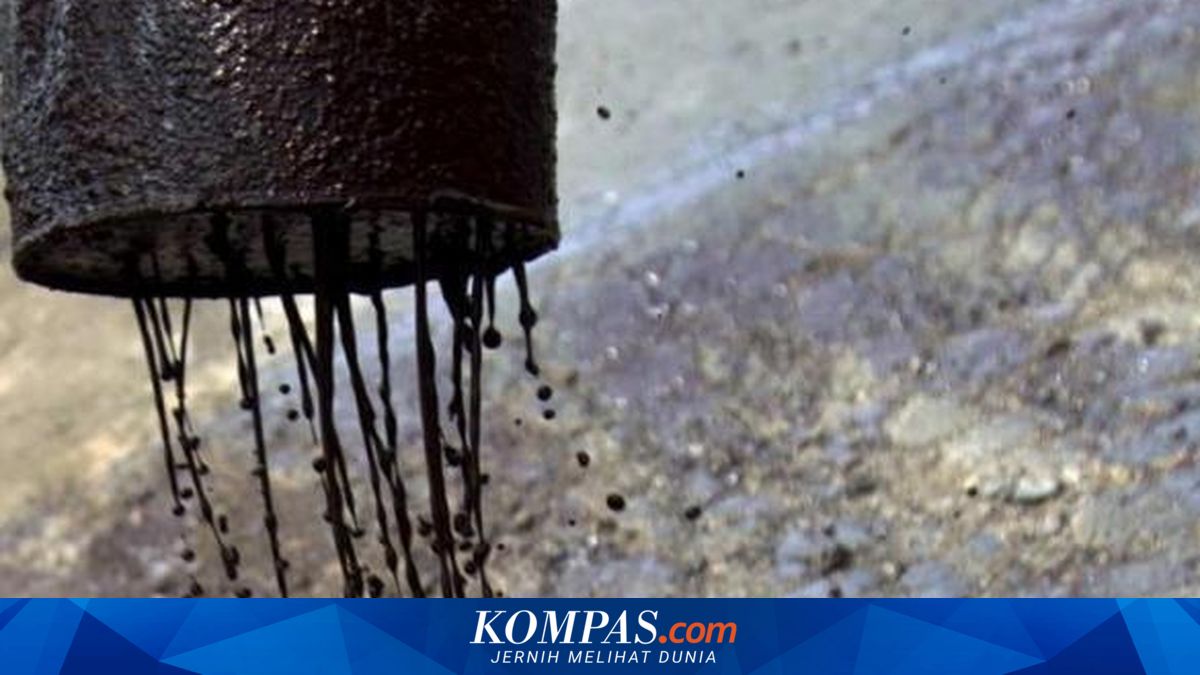
Imagine having abundant resources in your own backyard, yet choosing to purchase similar needs from abroad. This scenario is seen to reflect the current condition of natural asphalt, a crucial material in road infrastructure development in Indonesia. Behind the government’s aggressive construction of thousands of kilometres of toll roads and national highways lies a major irony. The primary material for paving these roads still largely depends on imported petroleum asphalt, even though Indonesia holds the world’s largest reserves of natural asphalt. Public Works Minister Dody Hanggodo revealed that around 80 per cent of the national asphalt needs are still met by imported petroleum asphalt. This dependency is considered a serious issue, especially amid a global situation full of uncertainties. “Dependency is a risk. In national development, risks must be managed very disciplined so that costs do not explode,” Dody stated on Thursday (7/5/2026). When world oil prices rise, road construction costs automatically increase. As a result, the state budget must bear a greater burden to meet infrastructure project needs. However, Indonesia actually has a strategic alternative available domestically, namely Buton Asphalt or Asbuton. Indonesia is recorded as the country with the world’s largest natural asphalt reserves. All of these reserves are concentrated on Buton Island, Southeast Sulawesi. That amount is considered more than sufficient to support the needs of national road development and maintenance for a very long period, even for hundreds of years. Yet ironically, the utilisation of Asbuton domestically has only reached around 4 per cent so far. This means that the great potential owned by this nation has not been optimally utilised, while dependency on imported products continues.