
The Iran War Is No Longer a Clash Between West and East, But a Difference in Interpreting Death?
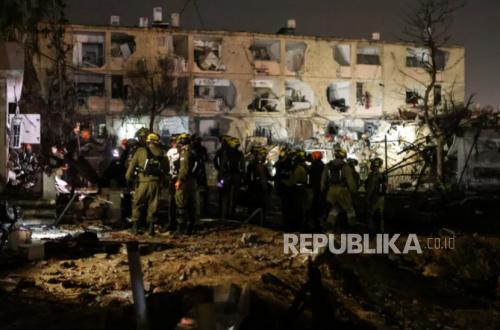
Amid various reports on the ongoing war in the Middle East, there is one aspect that may escape the attention of many but is actually very important to consider. This is not about the type of missiles, military strategies, or geopolitical maps, but something simpler yet more profound: how each side treats death, war victims, and war damage. On one side of the conflict, information about casualties is heavily restricted. Civilians are prohibited from recording. CCTV is turned off. The media is not free to report on the damage. The number of military and civilian casualties is not announced clearly. In some cases, hospitals and attack sites are closed to public coverage. It is as if the war must occur without being seen by its own society. On the other side, the opposite occurs. Victims’ names are announced. Their photos are published. Funerals are held openly and on a large scale. The media covers victims’ families, their life stories, and narratives of their sacrifices. Building damage is shown to the public. There is no major effort to hide the suffering caused by the war. This difference is not merely a matter of media policy or government communication strategy. If examined more deeply, this difference actually reveals something far more fundamental: two very different ways of viewing life, death, sacrifice, and the meaning of life itself.