
The ins and outs of the US-Iran ceasefire that leaves several obstacles
So, the midpoint is achieved, right, if Iran receives security guarantees and sovereignty.
Jakarta (ANTARA) - Tensions between the United States and Iran have entered a new chapter following an escalation that heated up at the end of February.
In a short time, the global community witnessed the long-standing conflict, which has never truly been extinguished, approaching a boiling point once again. However, amid threats of open confrontation, a narrow pause emerged in the form of a temporary ceasefire for two weeks, opening space for diplomacy.
The escalation began when Israel, together with the United States, launched attacks against Iran on 28 February, with the primary target being Ali Khamenei. In addition to killing Iran’s highest leader at the time, the series of attacks also caused more than 3,000 deaths.
In response to threats to its sovereignty, Tehran retaliated with drone and missile strikes targeting Israel, as well as Jordan, Iraq, and Gulf countries that host US military assets. Iran also restricted ship movements through the Strait of Hormuz.
Washington then increased its military presence, including the deployment of naval fleets and air defence systems. In retaliation, Iran raised its military alert status and issued strong warnings against potential further aggression.
This situation quickly developed into a regional crisis. The global energy trade route passing through the Strait of Hormuz was threatened, causing oil prices to fluctuate temporarily.
The Indonesian government continues to call for dialogue and diplomacy as a middle path, even stating President Prabowo Subianto’s readiness to act as a mediator.
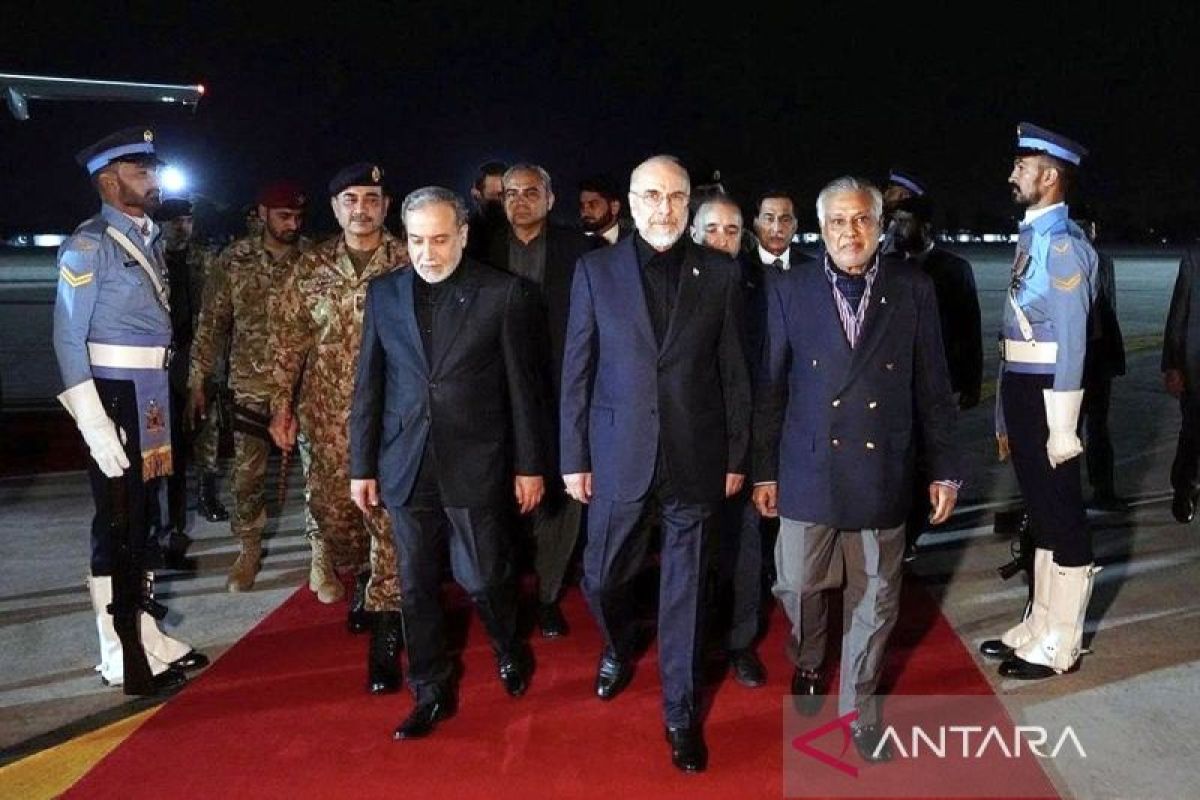
Amid international pressure, the United States and Iran finally agreed on Tuesday (7/4) to press the pause button through a two-week ceasefire following mediation by Pakistan.
However, this ceasefire has been viewed as fragile from the outset. Iran still harbours suspicions towards the United States, which has repeatedly violated agreements. Conversely, the United States is suspected of using this pause to strengthen its position in the Strait of Hormuz.
ANTARA here summarises the developments of this temporary ceasefire up to the negotiation results in Islamabad, Pakistan.