
The History of THR in Indonesia: From 'Eid Bonus' to Mandatory Allowance for Workers
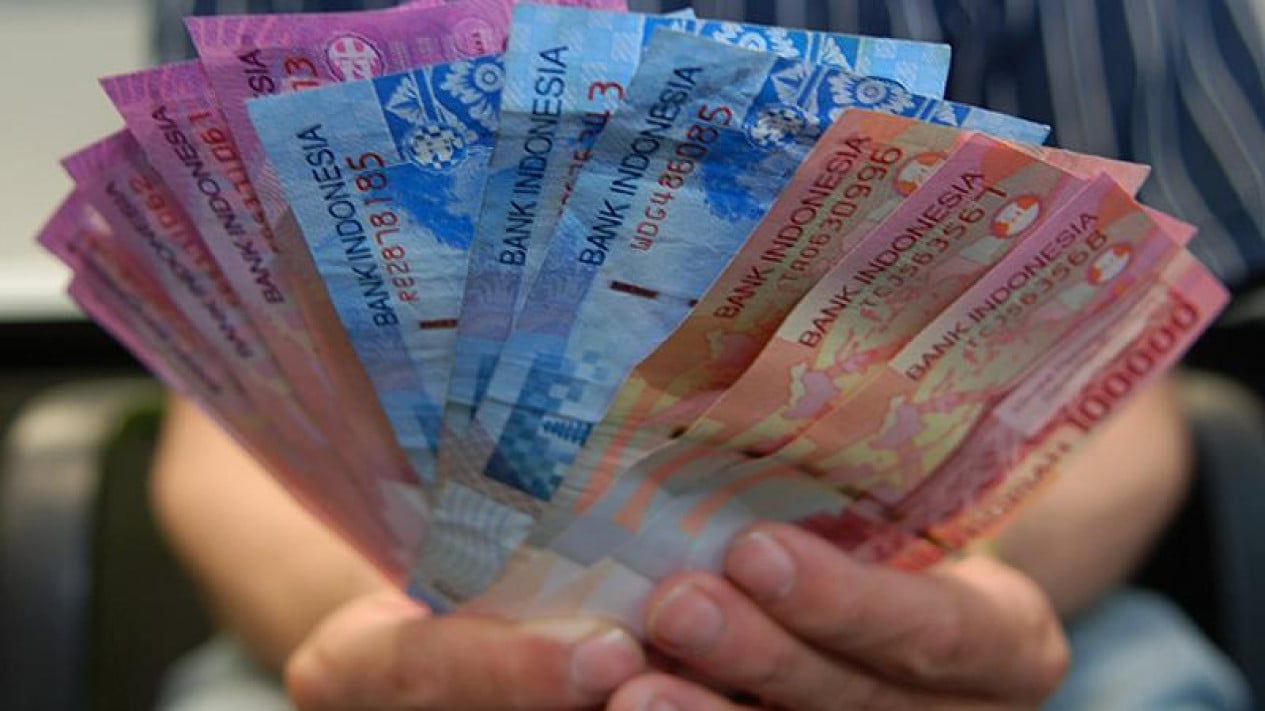
Preparations for celebrating Eid al-Fitr are beginning to be felt in various regions throughout Indonesia. Alongside traditional customs such as returning to one’s hometown and Eid shopping, there is one thing that workers most anticipate before the holiday: Tunjangan Hari Raya (THR), or Holiday Allowance.
This additional allowance is typically used for various needs such as purchasing new clothes, preparing traditional Eid dishes, and covering travel expenses to return to one’s hometown.
However, few are aware that the tradition of giving THR has a long history in Indonesia. This policy did not emerge in its current form immediately, but rather through a lengthy process dating from the early 1950s until it eventually became a worker’s right regulated by government regulation.
The Origins of THR Tradition in Indonesia
The tradition of providing money ahead of the Eid holiday, or THR, is said to be a practice unique to Indonesia. Initially, this policy emerged from the government’s efforts to improve the welfare of state apparatus during the early period of independence.
In 1951, Prime Minister Soekiman Wirjosandjojo provided an allowance to Pamong Praja, now known as Civil Servants (PNS). This allowance took the form of an advance payment—an initial loan provided ahead of the Eid holiday.
The purpose of this policy was to help improve the welfare of government employees. However, the money was not a full grant as it had to be repaid to the state through salary deductions in the following month.
Worker Demands in 1952
One year after this policy was implemented, a reaction emerged from private sector workers. In 1952, workers protested the policy and demanded that the government provide them with a similar allowance as the Pamong Praja employees.
Pressure from this group of workers eventually prompted the government to consider a broader policy regarding the provision of allowances ahead of the Eid holiday.
The Emergence of “Eid Bonus”
An important development occurred in 1954 when Indonesia’s Minister of Labour issued a circular regarding the provision of Eid Bonus (Hadiah Lebaran) to workers. Through this circular, the government encouraged companies to provide gifts to their employees ahead of the Eid holiday.
The amount of the gift recommended at that time was one-twelfth of a worker’s salary. Although still in the form of guidance, this policy became an initial step in providing holiday allowances for workers in the private sector.