
The History of Cut Meutia Mosque: From Dutch Colonial Building to House of Worship
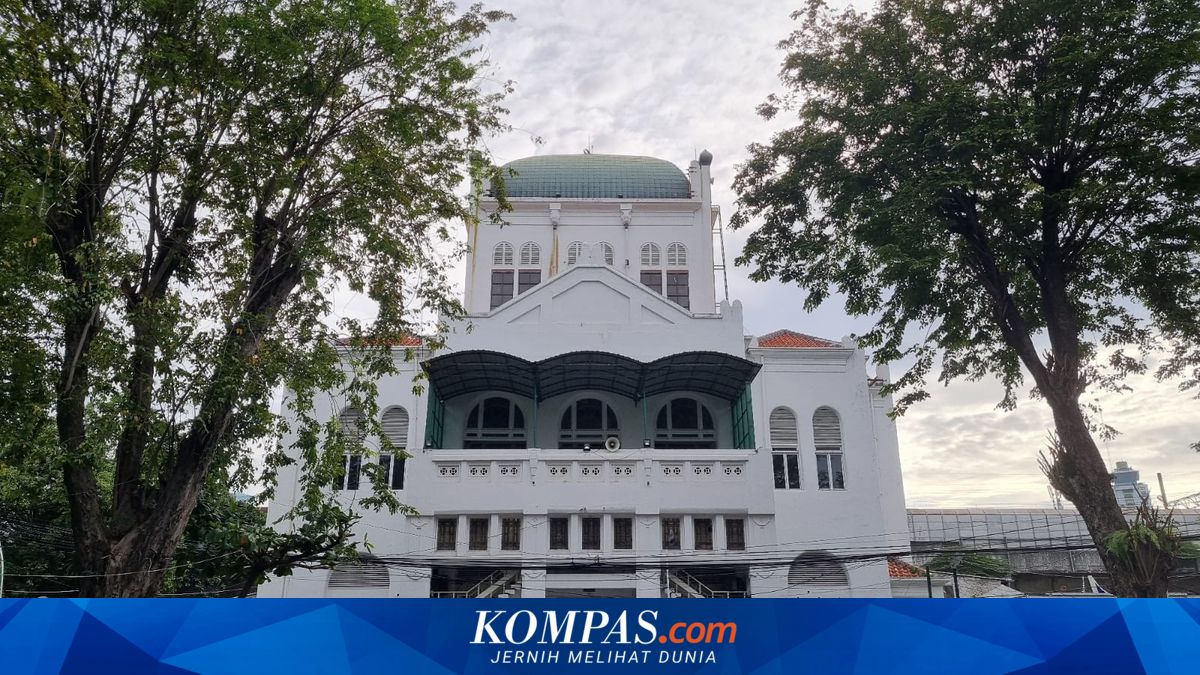
Cut Meutia Mosque is one of the historic mosques located in the Menteng area of Central Jakarta. The mosque, situated at Jalan Cut Meutia Number 1, holds a lengthy history before finally becoming a place of worship for Muslims as it is today.
The building is a remnant of the Dutch colonial period, completed in 1912. Initially, the building was used as the office of an architectural bureau and development company called N.V. De Bauploeg.
Over time, the building’s function changed several times. During the colonial period, the building was used as a post office and as an office for the Dutch Railway Service. When Japan occupied Indonesia, the building was temporarily used as an office for the Japanese Naval Kempeitai.
The building subsequently served as the office of the Central Jakarta Mayor, the Regional Water Supply Company (PDAM), a post office, and the Jakarta Housing Office.
Notably, the building also served as the office of the Provisional People’s Consultative Assembly (MPRS). At that time, the institution was led by Abdul Haris Nasution, more commonly known as General AH Nasution.
When the MPRS office was subsequently relocated to the Senayan area, AH Nasution did not want the historic building to be repurposed as an office again. He proposed that the building be utilised as a mosque for the surrounding community.
However, the process of converting the building into a mosque did not happen immediately. In 1984, AH Nasution first established the Cut Meutia Mosque Youth Group, which was tasked with maintaining the mosque and managing the needs of the congregation.
Three years later, specifically on 18 August 1987, the building was officially converted into a mosque. This conversion was formalised through Jakarta Provincial Governor Decree Number 5184/1987. When this decree was issued, the position of Jakarta Governor was held by R Soeprapto, who served as the 9th Governor of Jakarta during the period 1982–1987.