
The Hidden Impact of War on Daily Life in the Middle East
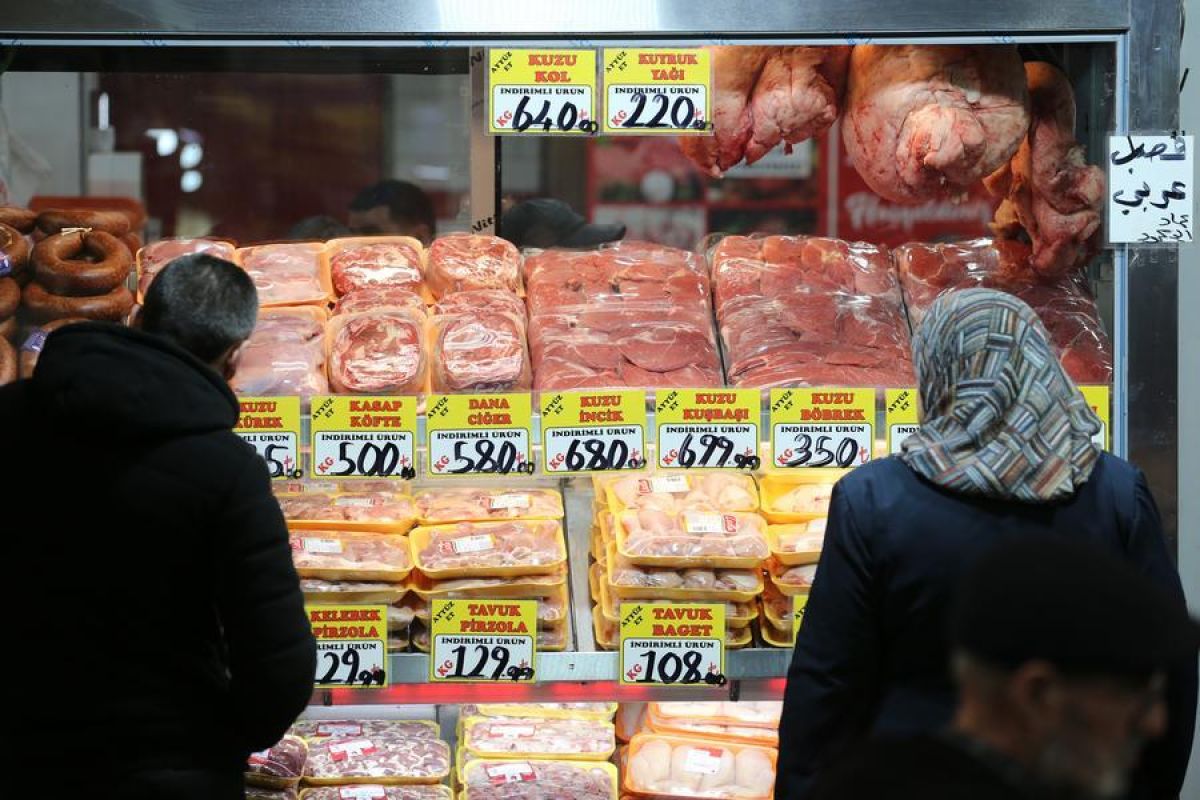
Cairo (ANTARA) – For Cem Demirok (35), a sports coach from Turkey, the numbers on the bathroom scales have lost their significance. Recently, the devastating impact of Israeli and Iranian missiles continues to dominate his thoughts.
The deadly clashes between the United States, Israel and Iran, which erupted late last month, have not yet spread to Turkish territory. However, for a country sharing a long border with Iran, the shadow of war feels increasingly close.
On Monday (9 March), Turkey’s Defence Ministry reported that missiles launched from Iran were intercepted above Gaziantep Province in south-eastern Turkey, marking the second interception in less than a week.
Though the government stated that the missiles were successfully intercepted and continued reassuring citizens that the country would remain removed from the regional conflict, public worry and fear increased daily.
“Of course we are afraid,” said Demirok with a concerned expression. “As a Turkish citizen, as a father, how could I not feel afraid in a situation like this?”
Demirok’s fear and anxiety are widely shared among the Turkish population. They worry not only that the flames of war will reach their own homes, but also fear how the conflict in neighbouring countries might spread into their daily lives.
“War is not just about bombs falling on your head. War has far-reaching consequences,” Demirok said.
He pointed to rising prices for everyday necessities in Turkey since the regional conflict erupted, a reminder of how fear and uncertainty can seep into society long before missiles strike.
Even in areas untouched by warfare, vague unease creeps into the daily rhythms of people’s lives.
Along the road from southern Lebanon to the Syrian border, long queues of people can be seen stretching towards Syria. Many are refugees fleeing fighting during Syria’s civil conflict who only recently found temporary shelter in Lebanon.
On 2 March, fighting intensified between Israel and Hizbollah, dragging southern Lebanon back into chaos. Residents in that area, who have been displaced several times, were forced to journey again along roads filled with uncertainty.
“I spent 25 hours on the road. It is frightening and shameful. We have no choice but to flee,” said Mustafa Issa, a Syrian national in his 30s from Quneitra Province in southern Lebanon, speaking to Xinhua.
Lebanon’s Social Minister Haneen Sayed said on Sunday (8 March) that approximately 517,000 refugees have been registered on Lebanon’s government assistance platform as Israeli strikes continue across the country.
In a small village in the mountainous area of southern Lebanon, Ali Qais paused among rows of winter crops, brushing mud from his hands. His mobile phone vibrated again – another call from relatives abroad, checking that he was safe.
“We plant and hope that war does not return to this region,” Qais told Xinhua. His eyes glanced briefly towards the distant border. “But things are not going as we hoped.”
In the media, Israeli strikes have been reported occurring not far from the village where Qais lives, and he frequently hears the sound of explosions in the distance. Nevertheless, he said he does not plan to leave.
“This is my home. Where else should I go?” asked Qais. “No one knows what will happen tomorrow, or where we can flee if it truly does happen,” according to Xinhua’s report.
Translator: Xinhua