
The Hedonistic Lifestyle of Public Officials
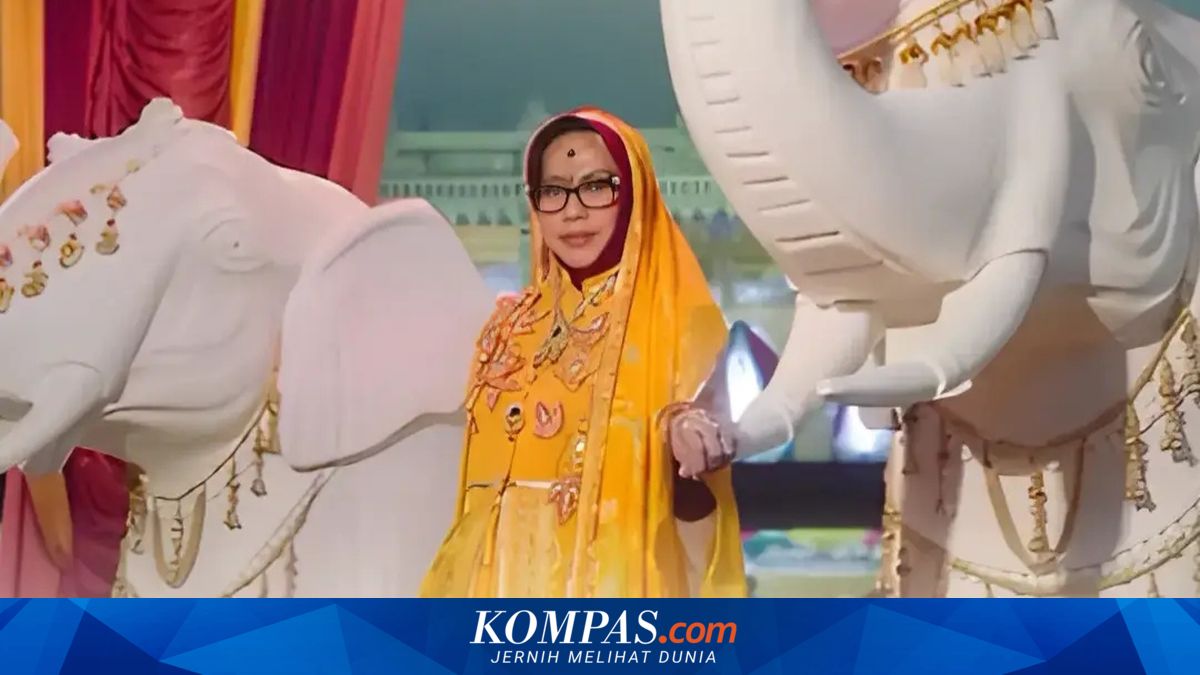
News regarding the hedonistic lifestyle of public officials has again gone viral on social media. It disappears, then reappears. It never truly vanishes.
The procurement of billiards tables in legislative leadership offices, “Bollywood”-style Iftar events held by regional government officials in luxury hotels with glamorous themes, and the recent purchase of an official vehicle for a governor at an astronomical price are recent examples.
The fundamental question is: whom is public office truly meant to serve?
This phenomenon is not merely a matter of budgets or administrative procedures. The core issue lies in state ethics, the propriety of state administration, and how officials view power.
Public office is fundamentally meant to serve and be dedicated to the people, not to fulfil personal hobbies or “jet-set” lifestyles.
Facilities such as billiards tables, karaoke sets, or other entertainment amenities in public institutions have no direct relevance to the task of governing the people. Such facilities are more a reflection of personal tastes than institutional needs.
When public budgets are used to finance personal pleasures, a shift in the function of office occurs. This practice suggests that our public officials remain trapped in an old-fashioned power culture—feudal in style, echoing the priyayi manner and the historical concept of pangreh praja.
Public officials should not position themselves as people to be served by society, but rather as public servants working to advance the welfare of the people.
Despite the digital age, the phenomenon of “aji mumpung”—the tendency of officials to exploit their positions for personal gain—persists in our government practice. When someone holds office and uses that power to fulfil personal interests, it clearly constitutes a deviation from government ethics.
This mentality is dangerous because it can erode leaders’ social sensitivity to the condition of the people.
Amid the economic hardship facing many citizens—with issues of damaged roads, declining incomes, and economic pressures before major religious holidays—the glamorous lifestyle of officials actually widens the psychological distance between government and people.
Normatively, the state does have guidelines concerning official facilities, ranging from official vehicles, official residences, to formal attire. These guidelines are generally established through operational standards and price limitations.