
The Government Explains the Benefits of the Trade Agreement with the United States
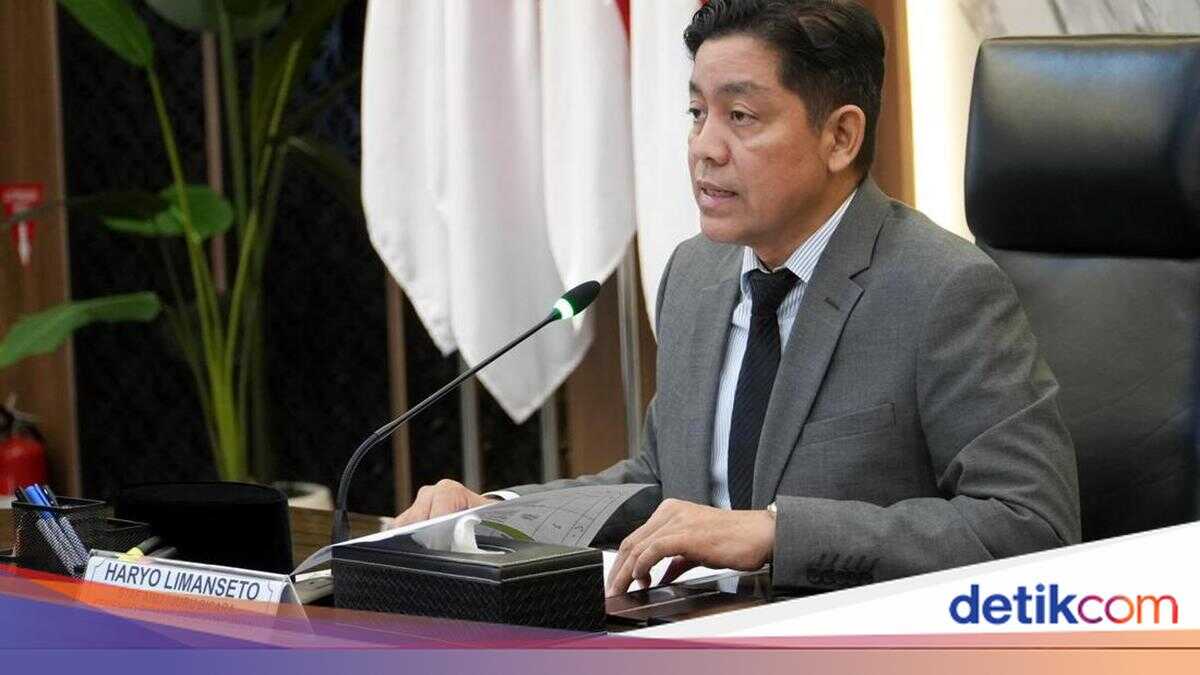
The Indonesian government has responded to various viewpoints regarding the Agreement on Reciprocal Trade (ART) between Indonesia and the United States (US). It emphasises that the agreement forms part of the national economic diplomacy strategy. ART is said to aim to strengthen access to Indonesia’s flagship commodity export markets while addressing non-tariff barriers that have long been issues in bilateral trade relations. In a statement, the Spokesperson for the Coordinating Ministry for Economic Affairs, Haryo Limanseto, said that during the ART negotiations with the US, the government carried out cross-ministerial internal coordination. The agreement will take effect only after domestic ratification procedures in accordance with laws and regulations, beginning with a submission to the DPR to obtain consent for ratification if required, or through the enactment of a Presidential Regulation if the DPR approval is not required. “The agreement will come into effect 90 days after both countries have exchanged written notices that all national legal procedures have been completed. Indonesia and the US have also agreed to establish a bilateral consultation mechanism to discuss issues related to ART’s implementation,” Haryo said in his briefing on Wednesday, 4 March 2026. Highlighting the concrete benefits expected from ART, Indonesia is seen to gain significant advantages by securing several critical points, including 0% tariffs on 1,819 tariff lines for agricultural and important industrial products such as palm oil, coffee, cocoa, spices, rubber, electronics components and aircraft parts, as well as 0% tariffs for Indonesian textiles and apparel. This will deliver tangible benefits to more than 4 million workers in the related sectors. Moreover, the agreement does not contradict Indonesia’s foreign policy principle of being both independent and active. Indonesia remains committed to a free and active foreign policy, is not aligned with any power bloc, and maintains full sovereignty to determine national policy. Indonesia also remains actively engaged in economic relations with various trading partners, through bilateral, regional, and multilateral agreements. In its implementation, the government emphasises that ART provisions respect sovereignty and the national legal processes in Indonesia, and there is no automatic or unconditional obligation for Indonesia to adopt US policies in the future. The commitments agreed by both sides are cooperative and encourage alignment, with every decision subject to domestic processes and guided by national law and Indonesia’s constitutional framework. In addition, both parties have equal rights to terminate the agreement through written notice after consultation, so the entire ART arrangement remains within sovereignty and Indonesia’s national interests. Various domestic political dynamics in the US, including developments in the US Supreme Court (SCOTUS), have been considered in the ART process. The decision to sign ART is a strategic step to anticipate uncertainty in US tariff policy, given that tariffs remain a primary instrument in that country’s trade policy and could still be used under bases other than the IEEPA. Going forward, the US government still has several other legal instruments to apply tariffs, and plans to initiate investigations into the trade practices of partner countries. In this context, Indonesia’s position becomes more managed and measured as issues that could be the subject of investigations have been negotiated and agreed earlier within the ART framework. “The Government of Indonesia will of course continue to monitor the global geopolitical situation carefully and proceed cautiously with the process required to implement the ART agreement,” concluded Haryo.