
The Future of the Arab World
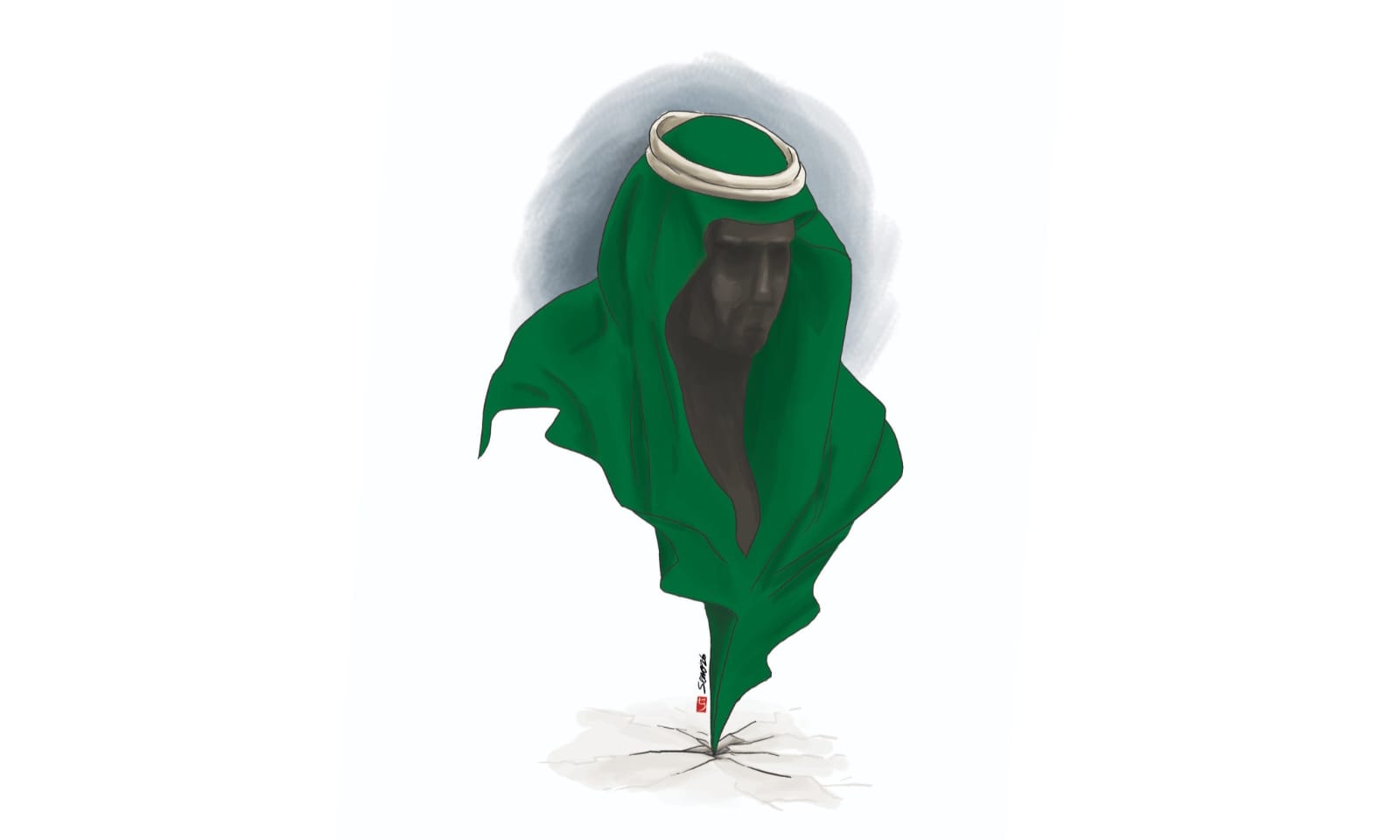
US-ISRAEL AGGRESSION AGAINST IRAN FORCES ARAB NATIONS TO A CROSSROADS
The US-Israeli aggression against Iran since 28 February has brought Arab nations to a crossroads. Iran has targeted US military bases in GCC monarchies –comprising Oman, the United Arab Emirates, Saudi Arabia, Qatar, Bahrain, and Kuwait– plus Iraq and Jordan. In response to US-Israeli strikes on Iranian civilian infrastructure, including schools, hospitals, oil depots in Tehran, and banks, Iran has retaliated by attacking GCC oil refineries.
Meanwhile, the US, as their security guarantor, has proved unable to act effectively. Unexpectedly, during the first four days of conflict, all advanced and expensive US military assets were destroyed by Iranian drones and missiles. The US has prioritised Israel’s agenda under Prime Minister Benjamin Netanyahu, despite the GCC lobbying President Donald Trump against war with Iran. Netanyahu’s lobbying, backed by Zionist billionaires in the US, took precedence.
Nevertheless, the GCC cannot break free from US and Israeli influence. On 11 March, the UN Security Council passed a GCC-sponsored resolution condemning Iran and calling for it to cease attacks on GCC members and Jordan, without naming the US-Israel as the instigators of war. China and Russia, Iran’s allies and permanent Security Council members, chose not to vote. This ‘pro-US-Israel’ resolution appeared to be the result of pressure from Washington and Tel Aviv to gain regional moral legitimacy in pressuring Iran and extract them from isolation.
GCC AS WAR VICTIMS
Before the US and Israel bombed Iran, Qatar and Oman lobbied Trump to resolve the Iranian issue through diplomatic channels. However, after hardline Zionist senator Lindsey Graham met de facto Saudi ruler Prince Mohammad bin Salman in Riyadh in late January, Saudi Arabia gave the green light to fight Iran. Israeli aggression occurred amid substantial progress in Iran-US negotiations in Geneva. Iran offered significant concessions but rejected Trump’s demands that it halt its nuclear programme entirely, limit its missile programme, and dismantle its ‘axis of resistance’.
Iranian intervention in Arab domestic affairs –through proxies in Iraq, Lebanon, Palestine, and Yemen– remains a GCC concern. Yet, whilst regretting US-Israeli strikes, no Arab nation has condemned them. Neither has any sent condolences for the death of Iranian supreme leader Ayatollah Ali Khamenei. Moreover, the GCC has permitted the US to operate military bases in the Gulf and allowed US-Israeli warplanes to freely traverse their airspace. Given the asymmetry in military power between the US-Israel and Iran, Tehran chose asymmetric warfare.
Beyond Israel, Jordan, and Iraq, Iranian attacks on the GCC aimed not only to halt Arab oil production but also to damage their commerce, business, and tourism sectors. After the UN Security Council resolution, Iran closed the Strait of Hormuz, the narrow passage through which international tankers transport 20% of global energy needs. The US escalated the crisis by bombing Iranian military installations on Kharg Island in the Gulf, threatening to destroy 90% of Iran’s oil export infrastructure on the island unless Iran reopened the Strait. Kharg is the lifeblood of Iran’s economy.
Rather than backing down, Iran threatened to attack all US-related targets in the region, including US military personnel hidden in the UAE. Escalation thus worsened not only regional political and economic crisis but global crisis as well. The US invited Western allies to forcibly open the Strait of Hormuz. However, France, Italy, Turkey, India, and China preferred to approach Iran to permit tankers through Hormuz.
These nations’ stance reflects lost confidence in the US, whose aggression violates international order. Moreover, prospects for military success in opening the Strait appeared slim. Escalation continued to increase.
The Houthis in Yemen awaited Tehran’s command to launch missiles at cargo ships traversing the Red Sea. This would worsen destabilisation in Egypt as global oil prices soared and its revenues from tourism and the Suez Canal dried up. Uncertainty about US war aims –apparently serving only Israel’s ambition to fracture and overthrow the Iranian regime– and when the conflict would end created global crisis.
On 13 March, the US deployed 2,500 marines, shifting military assets from Asia and Europe to the Middle East. This indicated Trump’s determination to subdue Iran by force.
POINT OF NO RETURN
Iran’s determination to resist the US-Israel will not cease whilst the US rejects Tehran’s demands as conditions for ending the war: a written guarantee that this would be the last conflict between them, Iran’s freedom to continue its nuclear programme, and reparations. This stance was forged by bitter experience with the US since the Islamic Republic’s establishment in 1979.
In 2015, Iran and five world powers plus Germany reached agreement on Iran’s nuclear issue (JCPOA), only for Trump to abandon it three years later with maximum pressure. When visiting the Middle East in May 2025, Trump stated negotiations had achieved significant progress.
However, in June, Israel sabotaged the negotiations, which had entered their fifth round, by attacking Iran. The US participated in bombing Iranian nuclear sites. The 12-day war killed 1,100 Iranian civilians, including several military and nuclear experts.
Large-scale demonstrations in Iran in late 2025 –triggered by high inflation and currency collapse– which Trump and Netanyahu saw as a golden opportunity for regime change, proved futile after Iranian forces suppressed them, sacrificing thousands of demonstrators.
Iran-US negotiations were relaunched in [article incomplete in source]