
The 'Fragile Middle Class' Phenomenon: Taxed, Yet With Minimal Protection
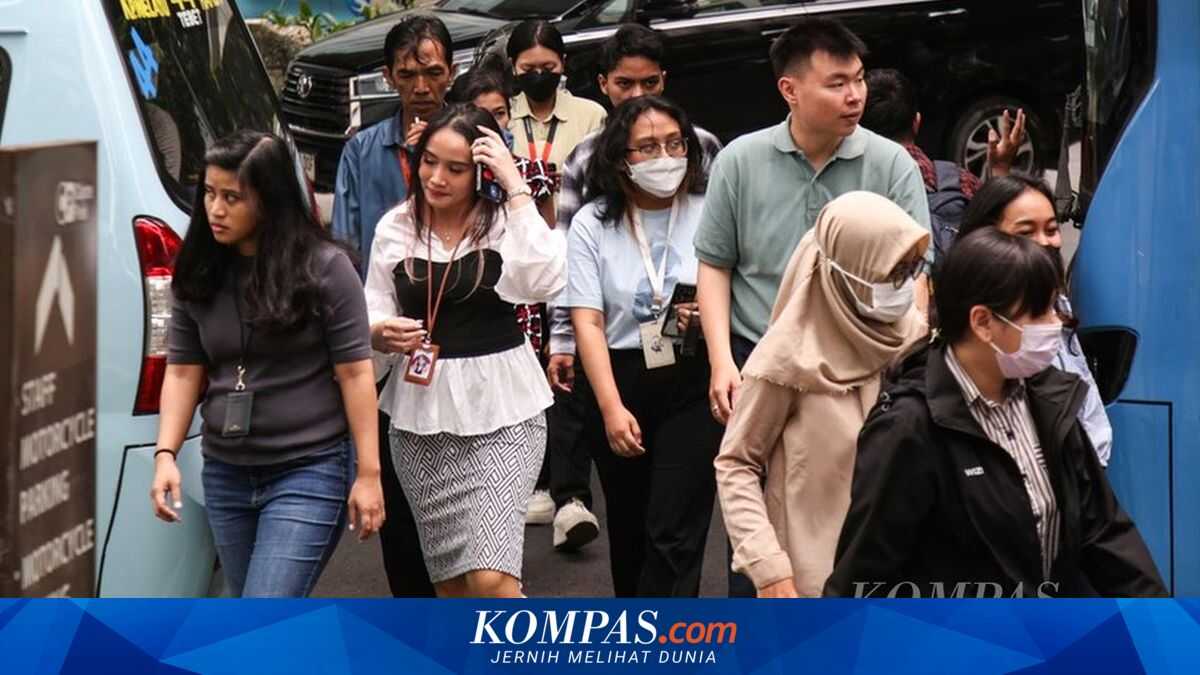
The phenomenon of the fragile middle class, those who are vulnerable, is increasingly drawing attention in Indonesia’s economic dynamics. This group is not fully secure financially, while also not receiving social protection like lower-income groups. In recent years, various indicators show pressure on the middle class in Indonesia. One indicator is the shrinking number of middle-class households. At the same time, the aspiring middle class has grown by about 4.5 million people and now accounts for 50.4 percent of the population. In other words, more than half of society sits just below the threshold of the middle class and is in a vulnerable position to economic shocks.
Economist Wisnu Setiadi Nugroho of Gadjah Mada University (UGM) argues that the shrinking middle class is not merely a statistical change. According to him, the middle class is synonymous with financial security and the ability to plan for the future.
In a broader context, economist and former Finance Minister Chatib Basri notes that the vulnerable middle class has important implications for Indonesia’s economic reform process. He says the vulnerability of the middle class can generate political pressure, making economic reforms harder to implement.
One factor reinforcing middle-class vulnerability is changes in the structure of the labour market. Economic growth continues, yet it is not always accompanied by the creation of high-quality jobs. “The reason this mechanism occurs is if economic growth fails to provide decent employment opportunities, there is a shift in the composition of jobs from the formal sector to the informal sector. This creates problems for livelihoods, particularly for what is referred to as the fragile middle class because it generates income insecurity,” he said in a public lecture entitled “Why Development Becomes Harder: The Political Economy of the Possible” which was broadcast on the YouTube channel of the Harvard Center for International Development, quoted on Wednesday.
According to Chatib, this condition makes the middle class feel insecure. They are in a position vulnerable to economic shocks. “To me, the apt analogy for the fragile middle class is that they are only one shock away from falling back into the lower middle-income group or poverty,” he said.