
The Fed Holds Interest Rates at 3.5 Percent, US Economic Outlook Cloudy Due to Iran War Effects
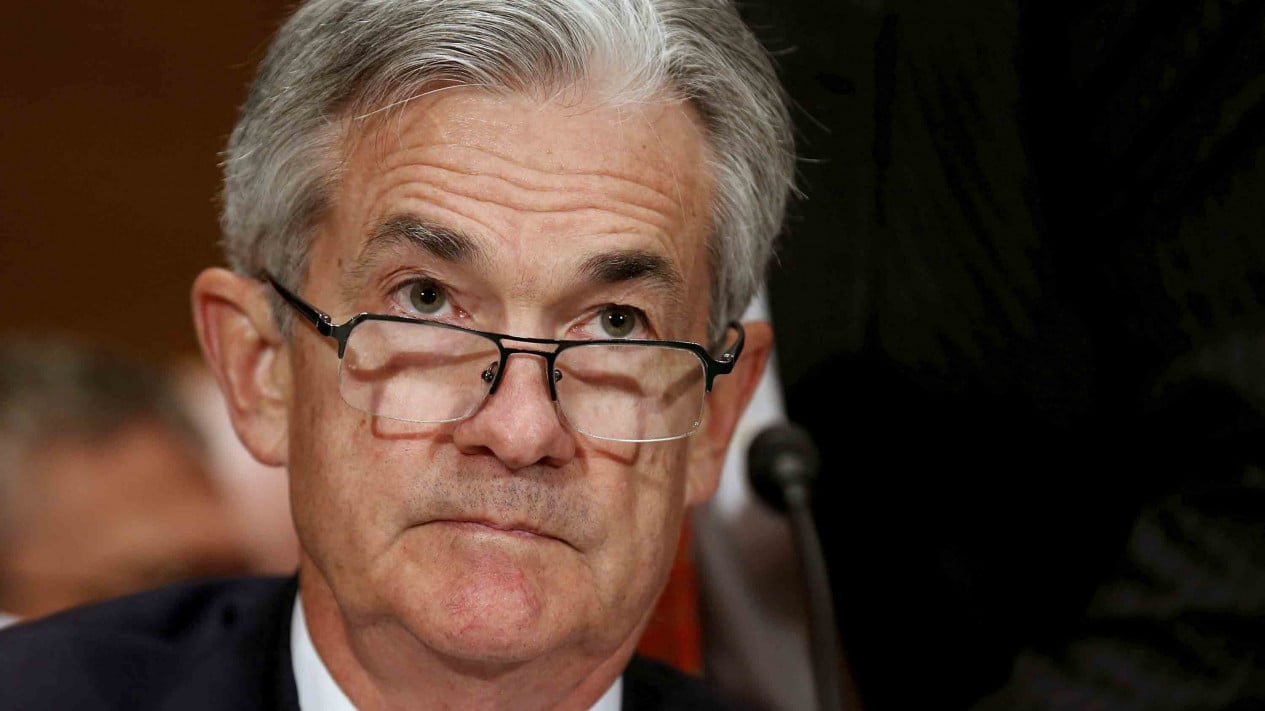
The US central bank, the Federal Reserve (the Fed), has again held its benchmark interest rate amid rising global uncertainties due to the heating up of the Iran war. The surge in global oil prices since the conflict erupted in the Middle East is driving inflation risks, prompting the monetary authority to adopt a cautious stance.
The Fed is maintaining the interest rate in the range of 3.5 percent to 3.75 percent, which has been in effect since December 2025. This decision aligns with market expectations, although it faces pressure from US President Donald Trump to cut borrowing costs.
Fed Chair Jerome Powell stressed that the direction of future policy will very much depend on inflation developments. He stated that the impact of the Iran war on US inflation remains difficult to predict.
“We do not know what the impact (of the Iran war) will be later, and actually no one really knows,” Powell said, quoted from the BBC on Friday, 20 March 2026.
Powell explained that the market is experiencing an oil shock, a surge in energy prices due to the conflict in the Middle East, which has the potential to cause higher inflation in the short term. Global oil prices have risen to their highest level since 2024.
The rise in energy prices is causing changes to US inflation projections. The latest data shows US inflation is estimated to reach 2.7 percent by the end of 2026, up from the previous projection of 2.4 percent.
On the other hand, the US economic conditions are showing mixed signals. The Fed usually lowers interest rates when unemployment rises to encourage economic growth. However, this time, the central bank is facing a dilemma between rising inflation and a relatively stable labour market.
Fed officials project economic growth this year to reach 2.4 percent, slightly higher than the previous projection. Meanwhile, the unemployment rate is predicted to remain at 4.4 percent.
Powell also highlighted the Trump administration’s immigration policies, which he believes are also affecting the labour market. According to him, immigration restrictions are slowing population growth and reducing the size of the labour force, so companies do not need to hire many people to keep unemployment low.
“It is balanced, but it feels like there is a downside risk. It is not a truly comfortable balance,” Powell said.