
The Evolution of Home Theatre: From 8mm Projectors to the AI Era
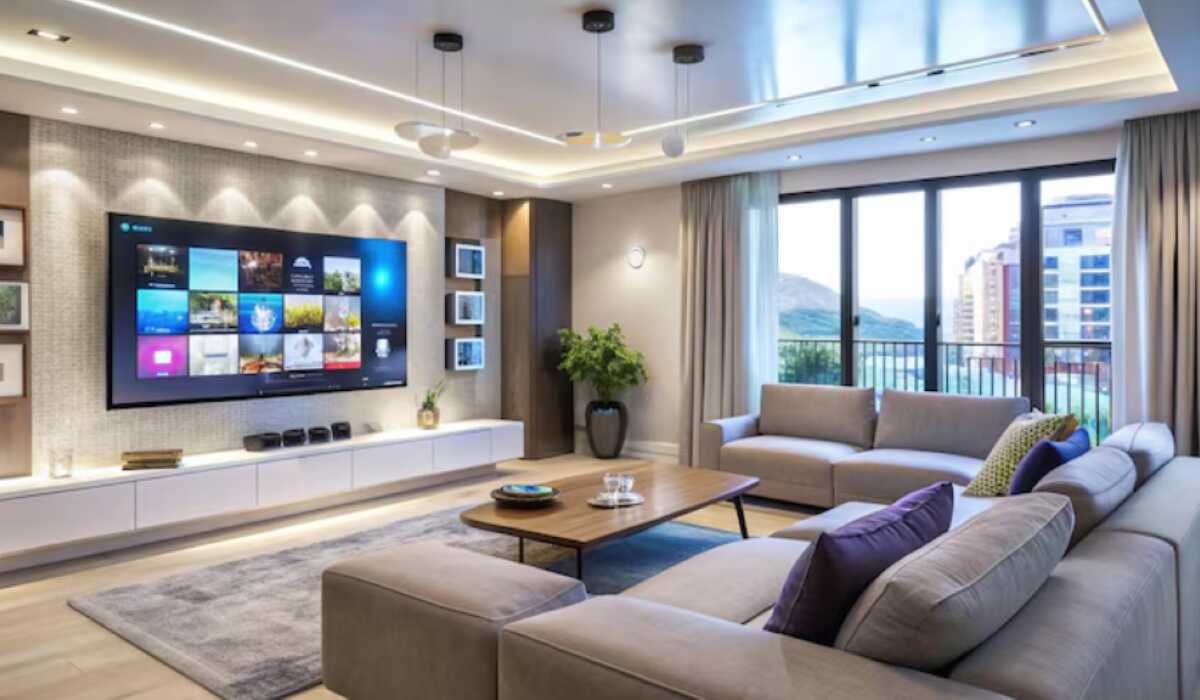
Watching films at home is no longer merely a pastime; it is an immersive experience that can rival professional cinemas. The journey of home theatre technology over the last century reflects humanity’s ambition to bring the magic of the big screen into private spaces.
In the 1920s, home cinemas were a symbol of extreme wealth. Using a noisy 16mm projector, homeowners had to manually run film on celluloid.
Only in the 1950s did Kodak’s 8mm projector make the hobby more accessible. Yet the audio at this era remained mono, meaning all sound came from a single speaker, with no sense of space.
The real revolution began in 1974 when the first integrated home cinema system was introduced in Louisiana, USA. This system combined early quadraphonic audio with a modified Sony Trinitron television.
The LaserDisc and VHS formats in the 1980s started to introduce Dolby Surround. This allowed spectators to perceive sound effects from the sides for the first time.
A turning point occurred in 1974 when Steve J. LaFontaine designed the first home cinema system to integrate quadraphonic audio (four channels) with the modified Sony Trinitron television. This era also marked the birth of Dolby Stereo (1975), which was subsequently adapted to home formats via LaserDisc and VHS.
Viewers could begin to experience enveloping sound effects even though technology remained analogue.
The arrival of DVD in the late 1990s changed everything. The digital format allowed far larger audio data storage, giving birth to the Dolby Digital 5.1 standard. With five satellite speakers and one subwoofer, explosion sounds or engine rumble could now be precisely positioned within the room. In this era, flat-screen televisions (LCD and Plasma) began to replace bulky CRT televisions.
The 1990s were a golden era for audio purists with the advent of Dolby Digital 5.1 and DTS. The use of DVDs replacing VHS brought sharper visuals and clearer digital audio.
During this period, the concept of Home Theatre in a Box (HTIB) began to popularise, making 5.1 systems more affordable for the general public.
Entering the 2010s, 4K resolution became the new standard. But the biggest innovation lay on the audio side with the arrival of Dolby Atmos.
Unlike traditional channel-based systems, Atmos is object-based audio. For example, the sound of a helicopter in a film now truly seems to pass overhead thanks to overhead speakers or up-firing drivers.
The emergence of Blu-ray and LED/OLED televisions brought 1080p to 4K into the living room.
By 2026, home theatre technology has reached a Cinema Grade level that is fully intelligent: from the simplest 8mm film projectors to AI-based systems, home theatre has evolved into a highly personalised entertainment hub. Contemporary technology focuses not only on image sharpness but also on ease of installation and the intelligence of systems to adapt to the user’s environment.
FAQ
What is the main difference between home theatre then and now? In the past, systems depended heavily on physical media (tapes/discs) and complex cables. Now streaming, wireless systems optimised by AI deliver maximum audio-visual quality.
Are laser projectors better than large TVs? In 2026, ultra-short-throw laser projectors offer much larger screens (100–150 inches) at prices more competitive than similarly sized LED TVs and are easier to install in small living rooms.
How many speaker channels are ideal for modern home theatres? The current minimal standard is 5.1.2 (five surround speakers, one subwoofer, and two Atmos speakers). However premium systems often employ an 11.4.6 configuration for total immersion.