
The Essence of Returning Home for the Holidays
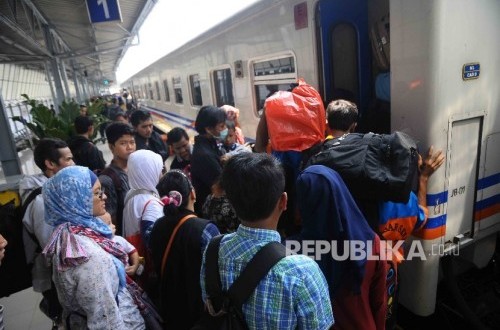
Every year as Ramadan draws to a close, a significant portion of Indonesia’s population participates in the annual “ritual” of returning to their hometowns, known locally as mudik. The scale is enormous, with millions of Indonesians travelling simultaneously to their places of origin.
The implementation of this mass migration requires substantial energy and resources. The government allocates budgets in the trillions of rupiah to develop transportation infrastructure, roads, ports, and airports to facilitate smooth travel for citizens returning home.
Multiple government ministries and agencies are involved in managing this annual ritual. Traffic engineering measures are prepared to anticipate congestion and ensure the mudik period proceeds without major disruptions. Collective leave policies are implemented to provide citizens with adequate time to return home peacefully.
Various companies, institutions, and organisations organise coordinated mudik activities for their members. The level of preparation is remarkable. Those using public transport—aeroplanes, trains, ships, and buses—book tickets months in advance to secure passage. Those travelling in private vehicles service their cars beforehand to prevent breakdowns, and carefully prepare gifts and provisions for the journey.
From a sociocultural perspective, the practice of “returning home” has legitimate cultural foundations. A local saying goes: “No matter how far we travel away, we will always remember and return to our homeland.” Another proverb states: “The peanut must not forget its shell,” emphasising the importance of maintaining one’s connection to one’s origins.