
The Difference Between Iran's Supreme Leader and President: Which Position Holds Greater Power?
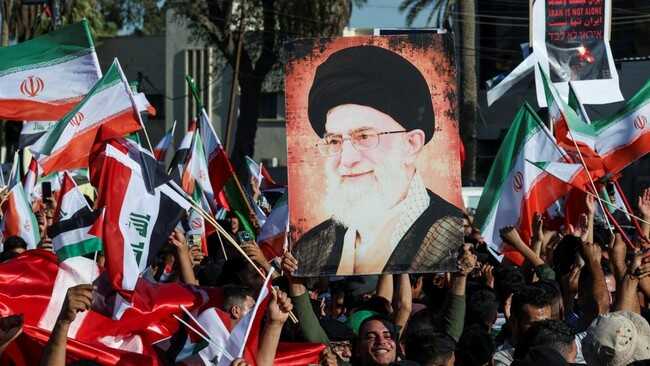
Jakarta, CNBC Indonesia - Supreme Leader Ayatollah Ali Khamenei died in an attack by the Israeli regime and the United States on Saturday, 28 February 2026, local time.
Khamenei’s death represents a significant loss for Iran, given the strategic and considerable role he played in Iranian governance.
Full name Sayyid Ali Hosseini Khamenei, he has served as Supreme Leader of Iran since 1989.
To honour Khamenei, Iran will observe 40 days of mourning. The nation will also prepare a successor to Khamenei.
Differences in the Duties and Roles of the President and Supreme Leader of Iran
According to the Constitution of the Islamic Republic of Iran, the President of Iran is the chief executive officer elected through direct ballot by the Iranian people. The Supreme Leader of Iran is the highest-ranking political and religious leader in the Islamic Republic of Iran.
In their election, the Supreme Leader of Iran, also known as the Supreme Guide, is selected by a group of experts. This differs from the President, who is elected by the people.
Because of this, hierarchically, the President of Iran is subordinate to the Supreme Leader of Iran.
Functions of the President and Supreme Leader of Iran
The President of Iran is responsible for signing treaties and agreements with other countries, international organisations, and others. He has the power to appoint ministers, ambassadors, and governors after approval by parliament.
The President of Iran is Head of the Cabinet and Government, Head of the National Security Council, appoints all Vice Presidents, sends and receives foreign ambassadors, and is Head of the Cultural Revolution Council.
Whereas the Supreme Leader has the authority to appoint leaders of important positions such as the commander of the armed forces, heads of major religious foundations, director of the national radio and television network, prayer leaders in city mosques, chief judge, members of the National Security Council, and oversees foreign affairs and defence matters, the chief prosecutor, and 12 judges of the Guardian Council.
The Supreme Leader of Iran designs Iran’s general policy, oversees the proper implementation of system policies, and issues decisions regarding national referenda.
He also holds supreme command over the armed forces and is responsible for declarations of war, mobilisation of the armed forces, full control over the Fuqaha on the Guardian Council, Iran’s judicial authority, the joint chief of staff, the supreme commander of the armed forces, signature of Iran’s electoral decisions, pardons and sentence reductions for convicted persons, and others.
The Supreme Leader of Iran, together with a two-thirds majority of parliament members, can also impeach the President.
The Supreme Leader of Iran is a role that has existed only since the country ended the monarchical system and transitioned to a Republic in 1979.
There have been only two Supreme Leaders of Iran in the nation’s history: Ayatollah Sayyid Ruhollah Musavi Khomeini, who was Iran’s first Supreme Leader and held office until 1989, and Ayatollah Sayyid Ali Khamenei, who has held the position since 1989 to the present.