
The Dangers of Measles in Children and Adults: Symptoms, Complications, and Prevention
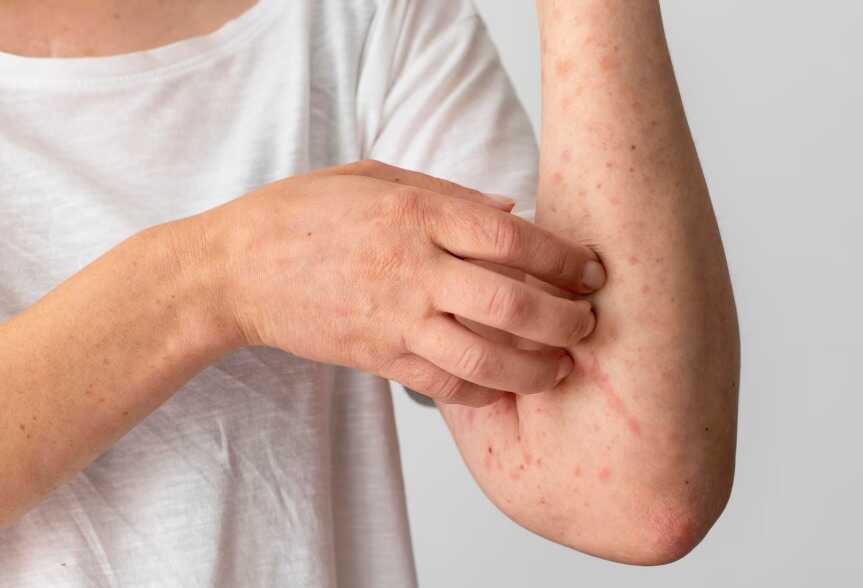
Measles once again drew sharp attention in Indonesia at the start of 2026. According to the Health Ministry data up to week 7 of 2026, more than 8,224 suspected measles cases have been recorded with four deaths reported. Although often regarded as a ‘run-of-the-mill’ rash in childhood, measles, or rubella, is one of the most contagious diseases in the world and can be fatal if not treated seriously. The main danger of measles does not lie in its red rash, but in its ability to cripple the immune system. The Morbillivirus attacks immune cells, causing a condition known as ‘immune amnesia’. This makes patients highly susceptible to bacterial and other viral infections even after the measles symptoms have faded. In light of rising cases in several provinces, the public is urged to recognise the following phases of symptoms: Currently, there is no specific medical treatment to kill the measles virus. Treatment is supportive to relieve symptoms. Prevention remains the key, through: Indeed, adults without immunity—either not vaccinated or who have never had measles—can become infected, with a higher risk of complications. The MR/MMR vaccine has been declared safe by the WHO and the Indonesian Health Ministry. The protective benefits far outweigh the risk of mild side effects that may occur. The virus spreads via droplets when an infected person coughs or sneezes, and can linger in the air for up to two hours. The disease is transmitted by droplets from coughing or sneezing, direct contact with an infected person, or contaminated objects. In 2022, measles and rubella immunisation coverage was low; the Health Ministry found 469 children with measles and rubella symptoms in Central Papua.