
The Dangers of Contact Lenses: From Corneal Infection to Vision Loss
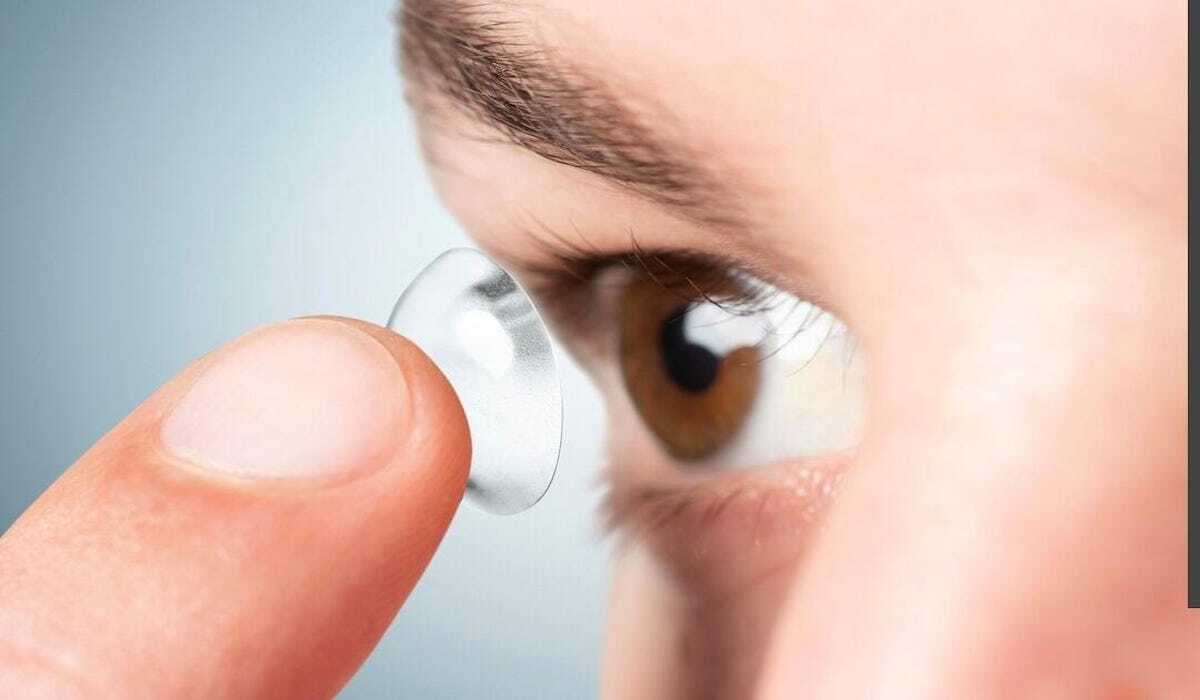
Contact lenses have transformed from merely assisting sight to becoming an essential part of appearance and lifestyle. They are practical and aesthetic reasons why many people switch from glasses to contact lenses (soft lenses). Yet behind this beauty trend lie serious medical risks if their use is not properly observed.
Eye health experts warn that using unhygienic contact lenses can trigger serious corneal infections, medically known as keratitis. Data from the Centers for Disease Control and Prevention (CDC) show that these infections occur when microorganisms such as bacteria, fungi, viruses, or parasites invade corneal tissue through contaminated lenses.
Corneal infection is not just ordinary eye irritation that can be cured with generic eye drops. In many cases, the condition develops into microbial keratitis, a severe inflammation that damages the clear tissues of the eye.
Research published by the National Center for Biotechnology Information (NCBI) reveals that keratitis among contact lens users often leads to complications that can threaten sight, and in severe cases the only way to save vision is a corneal transplant, a complex procedure and costly.
Often the threat of vision loss begins from seemingly minor negligence. The main triggers of eye infections from contact lenses include:
The gravest mistake: tap water can contain the microorganism Acanthamoeba, a parasite that can provoke corneal infections that are very difficult to treat and may lead to eye removal if the infection spreads widely.
When the eye is closed for extended periods, oxygen flow to the cornea is drastically reduced, making the surface more prone to bacteria trapped beneath the lens.
Wearing daily disposable lenses for days on end or monthly lenses beyond their recommended duration allows deposits of proteins and bacteria to accumulate, damaging eye health.
Be alert for emergency symptoms: contact a ophthalmologist if you experience persistent red eye, severe pain, sudden blurred vision, or extreme sensitivity to light (photophobia).
Contact lenses are genuinely safe when you are disciplined about cleanliness. The following eye health protocols are mandatory to follow: (Note: the article notes these but does not list specific steps.)
In conclusion, beauty and practicality should not come at the expense of your vision. With proper care and awareness of medical risks, you can still look confident without risking your eye health in the future. (CDC, National Center for Biotechnology Information (NCBI)).
A Japanese contact lens manufacturer, Menicon Group, is expanding its market in Indonesia. Menicon is now entering the retail market by launching disposable soft contact lenses.
Dry eye is a common condition that occurs when the eye cannot produce enough tears, or when tears evaporate too quickly.
“Lenses are like a sponge that absorb organisms and chemicals, and keep them on the surface of the eye while the lens is worn,” a doctor observed.
CDC notes that sleeping with contact lenses makes users six to eight times more likely to get an eye infection.
In Indonesia, vision problems due to refractive errors that are not corrected remain a serious challenge.