
The Dangerous Threats Behind Waste Burning Activities
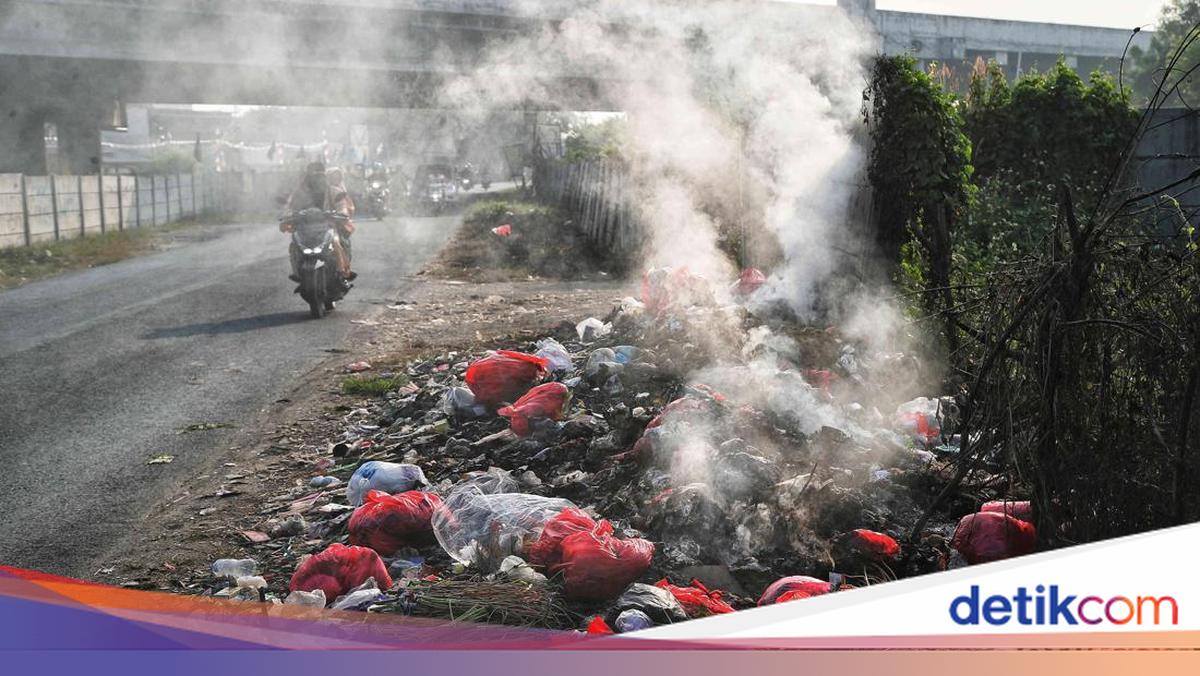
The habit of burning waste remains quite common today. The reason is certainly because it is more practical, quick, and considered the easiest solution to reduce piles of rubbish. However, behind that, there is a major threat that will endanger us without realisation.
Open burning of waste in open areas is still a common practice, indirectly due to low environmental awareness and minimal education on the long-term impacts that will result.
The smoke produced from this open burning contains harmful compounds such as furans and dioxins, which are carcinogenic and can impact respiratory system disorders, nervous system issues, and child development. In addition, this practice also releases black carbon, which accelerates global warming and worsens climate change.
Harmful Substances Produced When Burning Waste
When waste is burned, the process that occurs is not just eliminating unused items that initially pile up into a pile of ash, but there is a complex chemical reaction that produces substances harmful to the surrounding environment. Here are various harmful substances produced.
- Persistent Organic Pollutants
These include the most dangerous substances such as Dioxins, Furans, Benzopyrene, and Poly aromatic Hydrocarbons. These substances are produced due to the burning of plastics or items containing chlorine.
- Toxic Gases
These colourless toxic gases include Carbon Monoxide (CO), Nitrogen Dioxide (NO2), Sulphur Dioxide (SO2), and Hydrogen Cyanide (HCN), which are very harmful to health and the sustainability of the Earth.
- Particulates
Fine dust like Particulate Matter (PM2.5), which is very small in size, can enter the lungs and then trigger respiratory or heart diseases. Meanwhile, heavy metals from combustion residues will produce lead, mercury, chromium, and arsenic. These can contaminate the soil and enter the human food chain through plants or livestock.
Negative Impacts of Burning Waste on Health
- Respiratory Disorders
This is the most common problem that occurs because smoke from waste burning can pollute the surrounding air that we breathe. Thus, the harmful substances contained in the smoke will automatically enter the respiratory tract. The initial symptoms felt will be coughing, shortness of breath, and a sore nose. If left alone, in the long term it could potentially lead to lung infections, pneumonia, bronchitis, and allergies.
- Irritation
This irritation will appear when fine particles carried by thick smoke hit the eyes or are inhaled, causing irritation to the mouth, nose, and throat.
- Skin Damage
The body exposed directly to smoke from waste burning will cause skin lesions such as chloracne and abnormal tissue growth on the skin surface. This is caused by the carryover of furans, dioxins, and other chemicals.
- Foetal Abnormalities and Hormonal Effects
Especially plastic waste that produces dioxins and furans, which can cause foetal abnormalities if pregnant women inhale them over a long period. In addition, it can also affect the reproductive system, such as earlier puberty in girls and the risk of testicular cancer in boys.
- Cancer
Although the possibility is small, it remains dangerous in the long term. The reason is that the carcinogenic substances resulting from this burning are very sensitive to pregnant women, children, and the elderly.
Ways to Manage Household Waste According to Type
- Organic Waste (Food Scraps, Leaves)
This type of waste contributes a large amount but is also the easiest type of waste to process. The first step is to not mix organic waste with plastic; it can be processed into compost fertiliser using a simple composter, or the Biopore Hole method can be used.
- Inorganic Waste (Plastic, Bottles, Paper, Metal)
This is waste that is difficult to decompose naturally but has economic value. A simple handling method is to clean the waste from any residues, collect it, then deposit it at the nearest waste bank to exchange for money. Another method is to apply upcycling.
- Hazardous and Toxic Waste (B3)
Often ignored, this B3 waste includes used batteries, light bulbs, and medical waste. For handling, it is strictly prohibited to burn it because the contained chemicals can explode. So, separate it in a separate container, seal it tightly, and collect it at official B3 waste collection points.
- Residual Waste
Residual waste such as used tissues, nappies, sanitary pads, and cigarette butts must be separated from the three types of waste above by wrapping them neatly to prevent scattering, then hand them over to sanitation officers to be managed at the landfill.