
The Danger of Hantavirus: Do Not Sweep Dry Rat Droppings Directly!
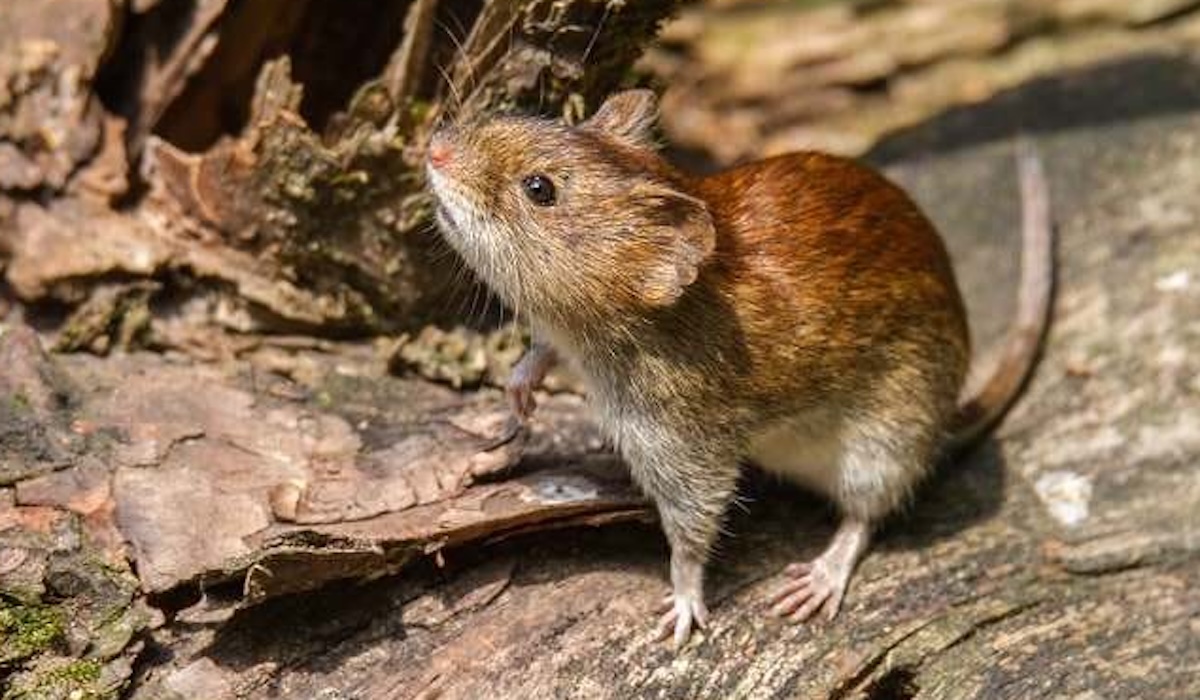
IPB University’s Head of the Health Entomology Laboratory, Upik Kesumawati, has urged the public not to sweep rat droppings to prevent hantavirus transmission, as virus particles from dried droppings swept up can become airborne and be inhaled, causing serious lung problems. Upik explained that hantavirus is a zoonotic disease identified in Indonesia since the 1980s. The virus is transmitted through the urine, faeces, and saliva of infected rats. Primary transmission occurs when people inhale dust contaminated with the virus or come into direct contact with rat droppings. ‘Do not sweep or vacuum the dust of rat nests and dry droppings directly, as virus particles can become airborne and be inhaled. First dampen the area with a disinfectant,’ Upik said on Tuesday (19 May). Hantavirus is known to trigger two deadly main syndromes: the early symptoms include fever, muscle pains in the thighs, back, and shoulders, along with general weakness and headache. In the later phase (4-10 days), patients may experience acute shortness of breath due to fluid buildup in the lungs. As a preventive measure, the public is asked to regularly maintain environmental cleanliness to avoid rat habitats. In addition, using soap when washing hands after activity in risk areas is highly recommended. ‘The virus has long existed and the main cause is rats. But we urge the public not to worry excessively,’ concluded Upik.