
The Curtain of Tolerance in the Holy Month
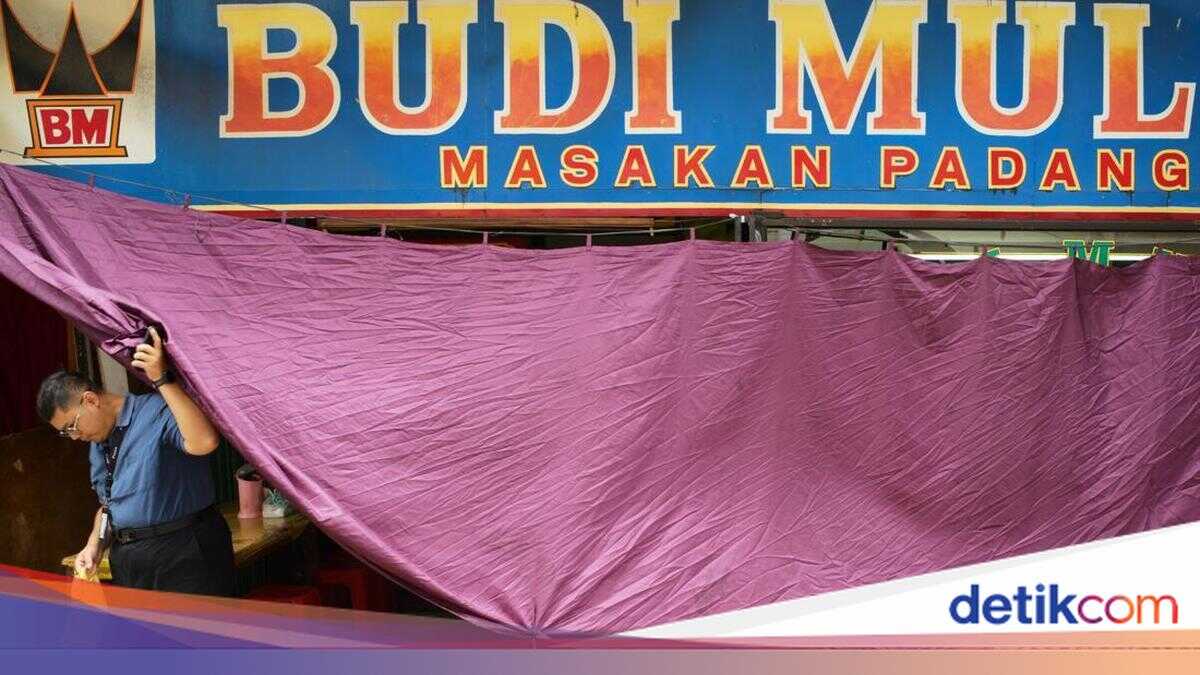
Several years ago, the sight of food stalls closing their curtains during Ramadan was commonplace. Today, such scenes have become increasingly rare, at least in Jakarta. Is this a decline in tolerance or a mark of maturity in religious life?
I packed my camera and a copy of ‘The Geography of Bliss’ into my rucksack. I fired up my Italian scooter and began navigating Jakarta’s streets. The early morning hours of the first week of Ramadan felt quieter than the second or third weeks of the Islamic fasting month.
On a small street nestled between office buildings in the heart of Sudirman, there are dozens of food stalls. I could see several office workers buying lunch, some having their office boys collect meals. The atmosphere was lively, the stalls serving as a backyard where workers could fill their stomachs during lunch breaks and overtime shifts.
Not all stalls remained fully open because of Ramadan. Some closed themselves off using curtains whilst still displaying food for daytime customers—a form of statement by the stall owners to honour the holy month. At the very least, it was not overtly provocative and helped maintain social harmony.
In the Palmerah area, a newly installed red curtain partially obscured the view into a chicken noodle stall. Nearby, a Lamongan chicken soup vendor had partially covered the front with purple fabric. On Jalan Jaksa in Central Jakarta, a Padang restaurant stall encroaching on the pavement covered its space with red cloth, leaving only the legs of soup stall benches visible.
The most common sight seemed to be at warung Tegal (affordable Indonesian food stalls). These stalls collectively closed their doors with large curtains resembling theatre drapes, including their glass display cases, so that food and dine-in activities were not conspicuous from outside. Some even wrote the word ‘OPEN’ to signal that business continued as normal.
At one warung in Mampang Prapatan, the curtain was repurposed as advertising space for a design application. Similarly, several stalls that were part of a larger warung chain did the same. The curtain of tolerance had slightly shifted into a commercial commodity. Creative, indeed.
As an instrument, the curtain is not tolerance itself. It is merely a symbol expressing that tolerance is necessary. The curtain provides boundaries and privacy, creating a comfortable space for people to eat without feeling observed by the public or interrupting one another.
The curtain becomes a visual face enabling two contrasting lifestyles to coexist on one street without conflict, built upon mutual trust. As Eric Weiner notes in ‘The Geography of Bliss’, trust is a prerequisite and indicator of happiness. You cannot be happy if you are constantly looking over your shoulder, wondering whether someone will pickpocket or stab you from behind.
The photographs show workers enjoying lunch within the curtained warung, curtains in striking orange hues, large theatre-like curtains at coffee shops behind office buildings, and various vendors using colourful barriers—some even repurposing newspaper as dividers—all supporting social harmony during Ramadan.