
The Culture of Overeating During Eid: The Root Cause of Food Waste
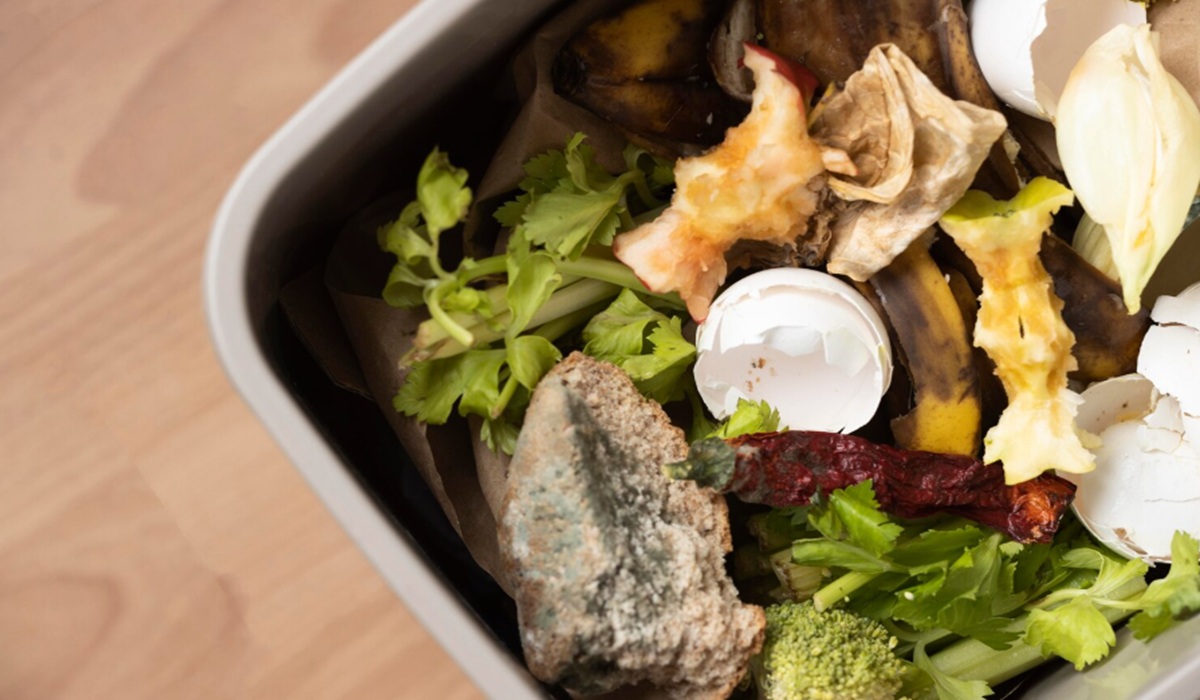
The tradition of hosting guests during Eid al-Fitr is often seen as a noble act. However, behind this generosity lies a serious environmental problem: a surge in food waste generation.
A lecturer from the Faculty of Economics and Management at IPB University, Meti Ekayani, views this phenomenon as a reflection of societal consumption culture that urgently needs reform.
According to Meti, the root of the problem lies in two main aspects: consumption behaviour and an inadequate waste management system.
“If asked about the causes, there are actually two things: societal consumption culture and an ineffective waste management system,” she stated in an official release on Tuesday (18/3).
The habit of serving excessive amounts of food is often driven by a sense of reluctance to appear inhospitable.
People tend to feel uneasy if the food served to guests runs out midway through the event. As a result, portions are deliberately oversized, even if they end up in the bin.
“We tend not to want to be seen as rude if the food is insufficient. So it’s better to overprepare. Yet often it goes unfinished,” Meti explained.
In addition to prestige factors, poor household consumption planning worsens the situation.
The “eyes bigger than belly” phenomenon during Ramadan often leads people to impulsively buy various types of iftar snacks and dishes. However, stomach capacity at breaking fast is limited.
Communication issues among family members also contribute to food surplus, for instance, when dishes are already cooked but family members choose to break their fast outside.
This behavioural problem is compounded by Indonesia’s waste management system, which still relies on a conventional pattern: collect, transport, and dispose.
Meti highlighted the lack of differentiation in disposal fees between households producing large amounts of waste and those producing little.
“No matter how much waste is generated, the contribution is the same. So there is no incentive for society to reduce waste,” she emphasised.
This is further aggravated by low awareness of waste sorting. When organic waste (food scraps) mixes with dry waste (plastic or paper), the economic value of the inorganic waste is lost due to contamination.
As a concrete step, Meti encourages society to plan shopping and consumption more maturely. If food waste generation remains unavoidable, she suggests processing it at the source rather than dumping it in landfills (TPA).
Organic waste actually has beneficial potential if managed properly, such as being turned into compost or used as feed in maggot farming.
“If food waste cannot be completely prevented, at least it can be processed. That way, we not only reduce waste but also create new benefits from food scraps,” she concluded.