
The Cleric Who Transformed a Den of Vice into Samarinda's Oldest Centre of Worship
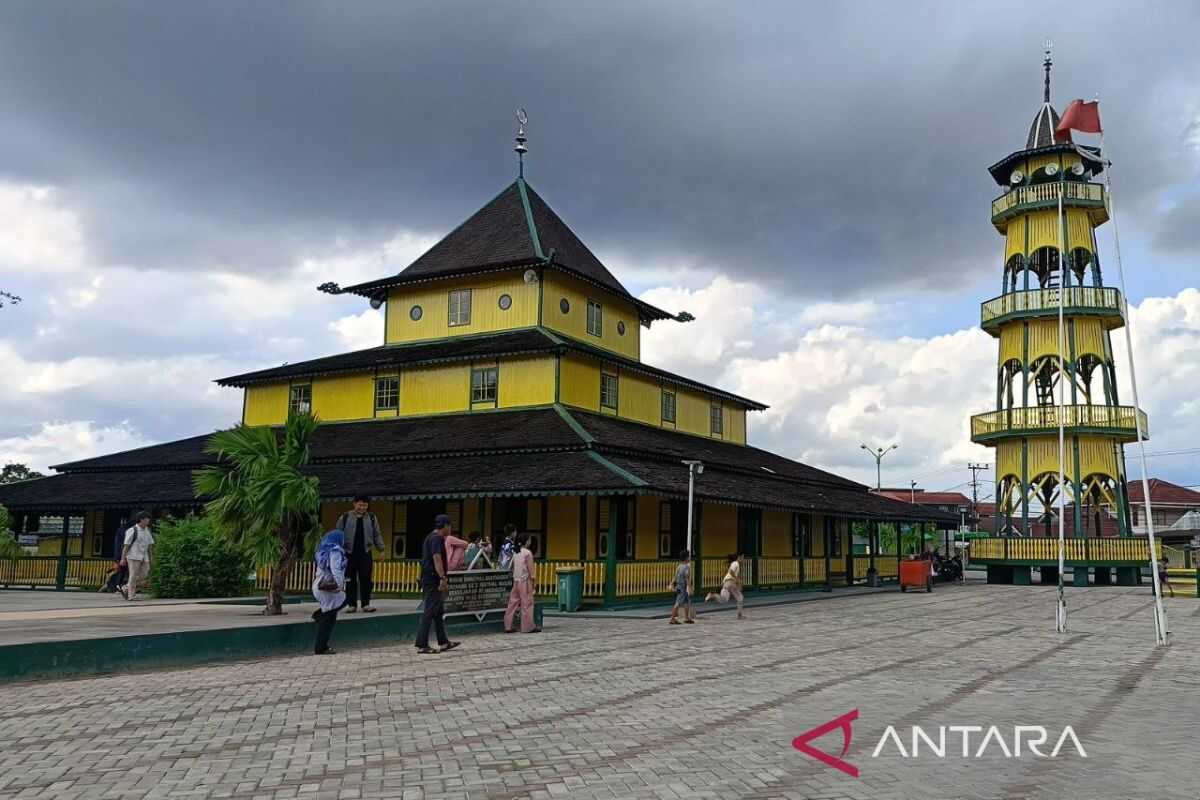
The call to prayer echoing from the mosque’s minaret seems to perpetually remind the people of Samarinda that no heart is too hardened to receive divine guidance, and no village too dark to be illuminated by the light of faith.
Samarinda — In times past, a monument stood bearing a wealth of philosophical stories. Its tale has transcended eras from generation to generation, laden with moral values, particularly as the building has endured and continues to be a thriving place of worship to this day.
Such moral values are forever etched into the story behind the oldest house of worship in Samarinda. The Shirathal Mustaqiem Mosque serves as the narrator in the tale of a vice-ridden village that transformed into a centre of worship and civility for the people of the city known as Kota Tepian.
The area now known as Kampung Mesjid in Samarinda Seberang was, at the close of the 19th century, far from a place of prayer. Oral traditions passed down through generations recount that the area was once a hotbed of moral turmoil.
“Cockfighting, gambling, and various activities far removed from religious values formed the lifeblood of daily existence for its residents. This place was once a deeply entrenched vice district, submerged in the clamour of worldly desires,” said Mazbar, chairman of the Tourism Awareness Group for the Shirathal Mustaqiem Mosque in Samarinda, speaking at the mosque grounds.
From these tales of the past, a miracle and the determination of a visiting cleric gradually parted the dark fog, transforming a den of vice into a radiant centre of worship whose light still shines brightly today.
This legend centres on a charismatic figure named Said Abdurachman bin Assegaf, also known by his title Pangeran Bendahara (Prince Treasurer). He was a nobleman, preacher, and Muslim merchant of Arab descent from the Pontianak Sultanate in West Kalimantan.
Sailing along the coast of Kalimantan and navigating its great rivers, his vessel eventually docked in the territory of the Kutai Kartanegara ing Martadipura Kingdom.
Initially, Samarinda Seberang was merely a stopover port and temporary residence for Said Abdurachman. His purpose was purely commercial — carrying trade goods and seeking a livelihood along the bustling Nusantara trade routes frequented by both foreign and local vessels.
During his stay and direct interaction with the local population, Said Abdurachman’s inner eye perceived a reality that stirred his conscience. Behind the thick veil of vice that shrouded the village, he glimpsed a ray of hope. The cleric recognised that Samarinda Seberang occupied an extraordinarily strategic position — a vital artery of trade with enormous potential as a centre for the dissemination and propagation of Islam in the land of Kutai.
“His sincere intention to trade gradually gave way to a calling of the soul. Said Abdurachman decided to settle permanently — no longer merely to conduct commerce, but to develop Islamic propagation and scholarly learning among the community that had lost its way at that time,” said Mazbar.