
The City That Learns from Its Own Waste
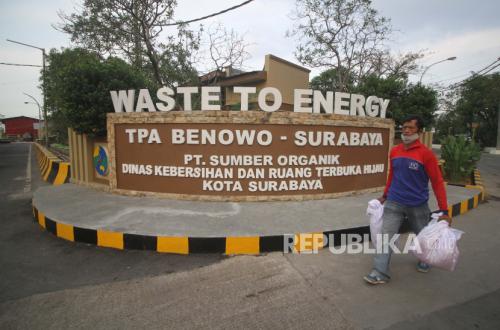
Mornings in the city’s corners often begin with an almost inaudible sound: the soft creak of cart wheels, the dragging of plastic bags, and the steps of sanitation workers moving well before the bustle starts. They are the front line welcoming the day, not with greetings, but with sweeps and hauls. Behind this routine that never makes the news, there is a system working quietly yet determining the face of a city: waste management. In Surabaya City, East Java, this system is being seriously revamped. It is not just about transporting and disposing, but an effort to comprehensively restructure the city’s cleanliness architecture, from calculating waste loads to changing disposal habits. In recent years, Surabaya has often been cited as one of the cities with the best waste management in Indonesia. Its waste production reaches around 1,800 tonnes per day, with a handling rate approaching 95 percent. That figure did not come about by chance. It is the result of consistent policies, strict operational discipline, and growing community involvement that develops slowly but surely. However, behind that achievement, there is a classic problem that continues to lurk: the imbalance between the ever-growing waste volume and the system’s capacity that is not always quick to keep up. Disciplining Data One important step now being taken by the Surabaya City Government is the organisation of Temporary Collection Points or TPS. So far, TPS has often been a weak point in the waste management chain. Overflowing piles, pungent smells, and carts parked haphazardly have become too familiar sights in many city corners. The city government is trying to change the face of TPS to be more orderly, and the key lies in something that sounds simple yet is often overlooked: data-based planning. Each RW (neighbourhood unit) is asked to calculate waste generation with a systematic approach, averaging 0.6 kilograms per person per day. From this figure, capacity needs are calculated, then converted into the ideal number of bins or waste containers for each area. This step may seem merely technical, but in fact, it touches something more fundamental. So far, many waste policies have been made without a strong micro-data base. As a result, there is an ironic mismatch between needs and facilities. Some TPS have excess bins, while others lack them to the point that waste overflows onto the road.