
The Challenges of Long-Distance Electric Buses Differ From Urban Public Transport
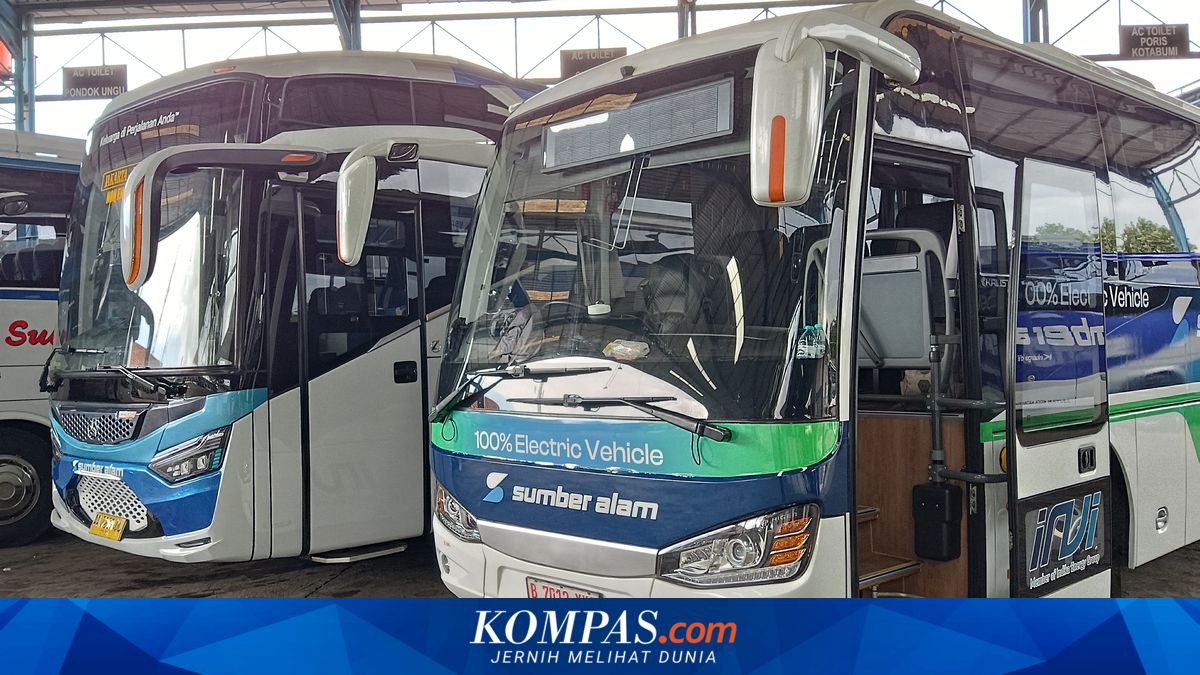
Jakarta — The electrification trend or the transition to zero-emission vehicles in the mass transit sector continues to grow rapidly. However, implementation cannot be treated as uniform between urban public transport and long-distance or tourist buses. Vincent Dewaele, General Manager of Busworld International, warns that operational realities are far more varied and complex for long-distance bus operators. According to Vincent, the transition to environmentally friendly vehicles in urban transport can proceed faster due to static routes. But this differs from the characteristics of AKAP buses or tourism buses, whose populations are very large in Indonesia. For long-distance bus operators, moving to pure electric power remains shadowed by a range of technical factors on the ground that directly affect their business model. “Range is a very important factor. In addition, charging duration and the varied road contours remain crucial considerations for operators,” Vincent added. This reality forces the industry not to rely on a single technology to curb emissions but to adopt a smart mix of various alternative solutions. Starting from hybrid systems, hydrogen technology, alternative fuels, to digitalisation-based fleet optimisation. “The future will not be determined by a single technology alone. In the current era, digitalisation has transformed operations and improved efficiency. Data has now become as important as fuel,” Vincent said. Therefore, Vincent emphasised that the future of sustainable mobility cannot be built by chassis manufacturers or coachbuilders alone. A close cross-sector partnership involving the government, bus operators, energy companies, and financial institutions is needed to ensure the transition is realistic and economically inclusive.