
The Calendar of Nyepi Celebrations 2026 in Bali: From Melasti to Catur Brata Penyepian
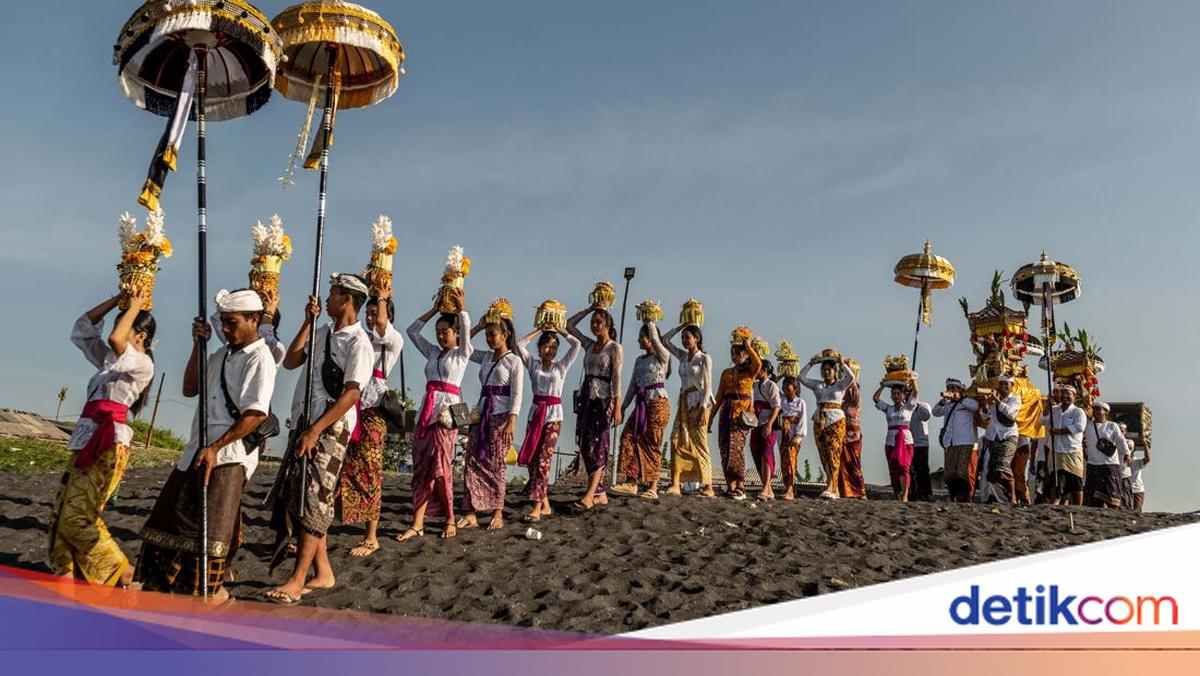
Nyepi Day 2026 represents an important moment for Hindu communities in Bali. This celebration, which marks the change of the Saka New Year, is characterised by complete silence as all community activities are halted for an entire day.
In the lead-up to the celebration, a series of Nyepi ceremonies take place in stages. These traditions carry profound spiritual significance and form an integral part of Balinese society’s daily life.
Nyepi Observance Date
According to information from the official Badung Regency Government website, Nyepi Day 2026 is observed on 19 March 2026. This celebration is a sacred day for Hindus marking the change of the Saka New Year and serving as a time for achieving inner peace and spiritual balance.
Before Nyepi arrives, Hindu communities in Bali perform a series of customary ceremonies passed down through generations. These rituals aim to purify oneself whilst maintaining harmony between humans, nature, and God.
The following traditions are observed in preparation for Nyepi Day:
- Melasti
Melasti is a purification ceremony conducted at the sea, lakes, or sacred water sources. This ritual aims to cleanse both the visible and invisible negative elements within human beings.
During the Melasti procession, Hindus carry various ceremonial offerings from temples towards sacred water sources. This procession symbolises the effort to purify the universe and seek spiritual purity before entering the Saka New Year.
- Tawur Kesanga
The next ceremony is Tawur Kesanga, performed one day before Nyepi Day. This tradition represents a ritual of cosmic harmonisation symbolising the reconciliation between humans and their environment.
Tawur Kesanga is an important part of the Nyepi observance because it aims to balance natural forces and neutralise negative elements surrounding human life.
- Ogoh-Ogoh Procession
On the evening before Nyepi, Balinese communities typically hold the Ogoh-Ogoh parade. This tradition features giant effigies depicting various negative elements.
The Ogoh-Ogoh figures are then paraded around the village as a symbol of driving away negative energy before entering the day of silence. This tradition is also recognised as one of the cultural attractions that draws considerable attention from both locals and tourists.
Catur Brata Penyepian During Nyepi Day
When Nyepi Day arrives, Hindus observe four abstinences known as Catur Brata Penyepian. These rules form the core of the Nyepi celebration, which creates an atmosphere of silence throughout Bali.
The four abstinences of Catur Brata Penyepian are as follows:
Amati Geni: refraining from lighting fires or excessive use of light
Amati Karya: abstaining from work or physical activity
Amati Lelungan: avoiding travel or leaving one’s home
Amati Lelanguan: refraining from entertainment or recreational activities
These four rules keep the entire Bali region in a state of silence for a full 24 hours.
Atmosphere of Silence Across Bali During Nyepi
On Nyepi Day, public activities throughout Bali come to a halt. Airports, ports, public facilities, and traffic do not operate during the celebration.
Citizens observe this sacred day in their homes, praying, meditating, and engaging in self-reflection. Hindus use this moment to purify their minds whilst evaluating their life’s journey.
For tourists in Bali, Nyepi offers a unique cultural experience as they also experience the profound silence that envelops the entire island.
Through this series of traditions and a full day of silence, communities are encouraged to reorganise their minds, maintain harmony with nature, and begin the new year with a calmer heart.