
The Bustle of Lebaran, the Quiet Behind the Holiday Allowance
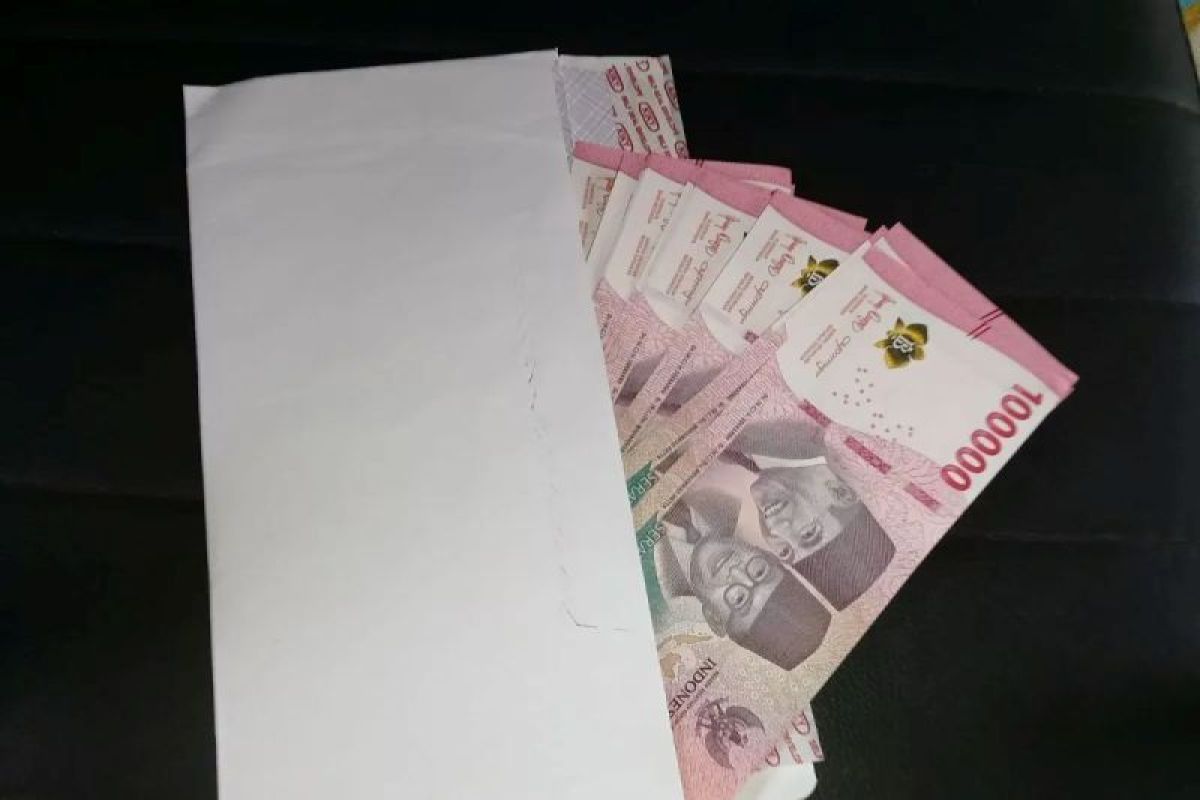
Mataram — Ramadan always brings a distinctive rhythm to various cities and villages across Indonesia. Traditional markets bustle with colourful merchandise, shops extend their opening hours, and conversations at coffee stalls often lead to a simple yet important question: when will the holiday allowance be disbursed.
Beyond the religious atmosphere and the tradition of returning to one’s hometown, the Eid holiday allowance, known locally as THR, becomes more than merely supplementary income. It functions as an economic driver leading up to Eid al-Fitr, a symbol of appreciation for work, and a measure of fairness in the employment relationship between workers and employers.
In West Nusa Tenggara (NTB), the dynamics of the 2026 THR present a more complex picture. The regional government has allocated substantial budgets for state apparatus, yet certain groups of workers still experience inequalities in receiving this allowance.
The deeper question that emerges is the extent to which THR truly delivers a sense of fairness for all workers amid the Lebaran euphoria.
Economic pulse
Each Ramadan season, THR acts like an energy injection for the local economy. When the funds are disbursed, money circulation in markets, shopping centres, and the service sector increases sharply.
The central government itself is preparing a budget of approximately 55 trillion rupiah for state apparatus THR payments in 2026. By early March, more than two million employees had received disbursements totalling approximately 11.16 trillion rupiah. At the national level, these funds serve as a stimulus for household consumption in the first quarter of the current year.
In NTB, a similar pattern is evident. The Central Lombok District Government has prepared approximately 43 billion rupiah for THR for around 10,000 state civil apparatus, including civil servants, government employees under work agreements, and regional officials.
In Dompu District, THR allocation reaches 31.55 billion rupiah, which began being disbursed following approval of the regional head’s regulation. Mataram City has also prepared budgets of tens of billions of rupiah for THR and state apparatus salary payments.
These funds encompass various components, such as base salary, family allowances, and position allowances.
When calculated roughly, tens to hundreds of billions of rupiah circulating across various districts in NTB ahead of Lebaran undoubtedly has a significant impact on local economic activity. Market traders, small and medium enterprise operators, and the transport sector all benefit from it.
Within the context of regional economies still relying on the service sector, trade, and tourism, the THR momentum becomes one of the drivers of public consumption. Many families use these funds to purchase basic necessities, new clothing, or repair their homes ahead of the holiday.
Behind these economic benefits, another equally important issue emerges: the distribution of THR remains unequal.