
The Burning Strait of Hormuz: IRGC Attacks U.S. Tanker, Global Energy Supply at Risk
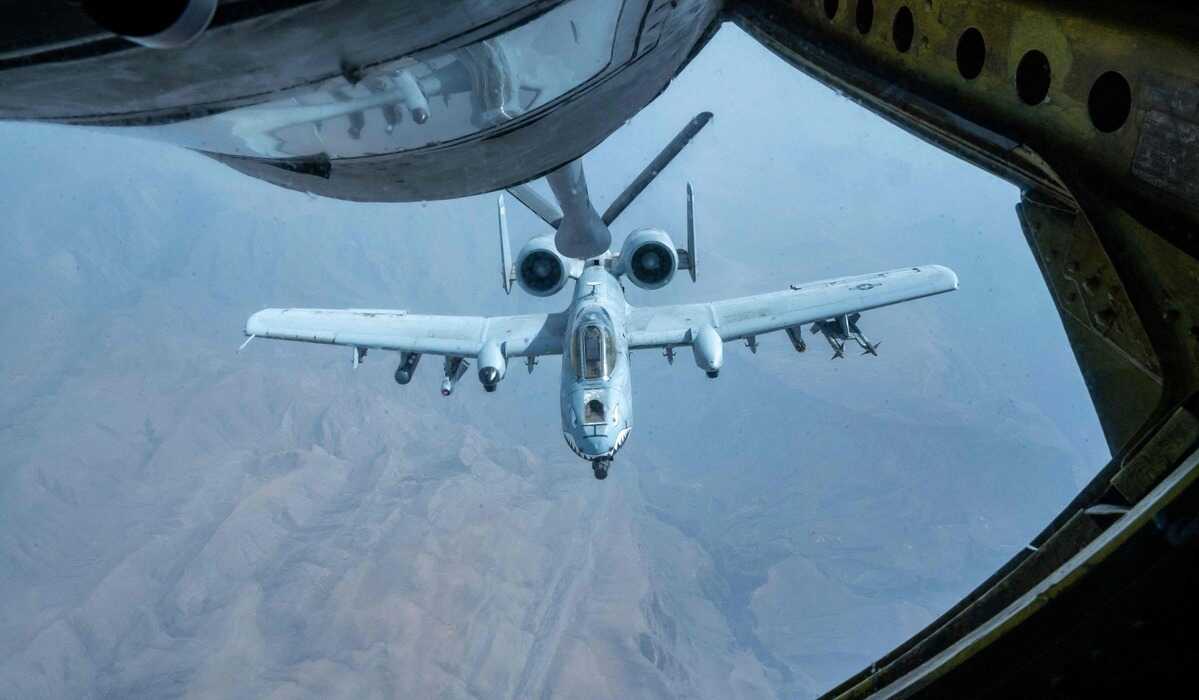
Against the backdrop of escalating Middle East tensions, tensions in the Strait of Hormuz reached a boiling point on Thursday, 5 March 2026. The Islamic Revolutionary Guard Corps (IRGC) of Iran announced that its naval forces had launched a missile attack on a United States-owned oil tanker in the northern Persian Gulf. According to state media reports from Iran, the vessel was struck a heavy blow and was reported to be on fire. The attack was described as a direct response to a series of military aggressions carried out by the United States and its allies against Iranian assets in recent days. At the same time, the IRGC issued a firm statement that it now holds full control over navigation in the Strait of Hormuz. In its official statement, the IRGC emphasised that, in times of war, navigational rights on that route are under the authority of the Islamic Republic of Iran. ‘The United States is oil-hungry. Let them know that we have now closed the Strait of Hormuz and will not permit their ships to pass,’ said Ibrahim Jabari, advisor to the IRGC commander. Iran also warned that vessels affiliated with Israel and European countries that support the US would be legitimate targets if they attempted to enter the area. The Strait of Hormuz is the energy lifeline of the world, with around 20–30 per cent of global crude oil and LNG shipments transiting daily. The closure of this route is expected to trigger a seismic shock to the global economy. Analysts warn that if the disruption lasts more than a week, energy reserves in various countries could be exhausted. Japan is reportedly holding reserves for 254 days, while countries such as India and Australia only have 30–45 days of resilience. Brent crude oil prices surged sharply, briefly surpassing $83 per barrel after the news. Separately, U.S. President Donald Trump was reported to have ordered the U.S. Navy to prepare to escort tankers to ensure the smooth flow of energy. As of this report, the Pentagon has not provided official confirmation of the identity of the tanker hit or the number of casualties. However, the mounting tensions are feared to provoke a broader open conflict in the region. The Indonesian Ministry of Foreign Affairs intensified dialogue with Iranian authorities to ensure the safety of two Pertamina tankers held in the Strait of Hormuz. See the full timeline of the IRGC missile attack on the U.S. tanker and the total closure of the Strait of Hormuz that triggered the 2026 global energy crisis. The IEA’s Fatih Birol sought to calm fears of a world oil crisis amid the Middle East conflicts and the Strait of Hormuz closure. The Chief Economist Josua Pardede assessed that closing the strategic Strait could add pressure on the rupiah exchange rate due to oil price rises. Iran denied claims that it closed the Strait and accused the U.S. of violating international law after the sinking of the Dena frigate in the Indian Ocean killed 100 sailors. Global oil prices (Brent) remained high at around $84 per barrel following the IRGC attack in the Strait of Hormuz. See the impact on subsidised fuel prices and the rupiah today. See the full chronology of the IRGC missile attack on the U.S. tanker and the total closure of the Strait of Hormuz that triggered the global energy crisis of 2026. Find out why Bitcoin is starting to outrun gold as a safe-haven asset amid the 2026 Middle East conflict. Analysis on mobility and digital security. Writer Rich Dad Poor Dad Robert Kiyosaki again sparked heated debate by naming the escalation of war as the primary catalyst for Bitcoin price spikes. Bitcoin price surged to around $72,000 as an immediate market response to the intensifying Middle East conflict threatening global economic stability.