
The Bounty of the Motherland: Palm Oil Transforms into B50, Indonesia Independent from Diesel Imports
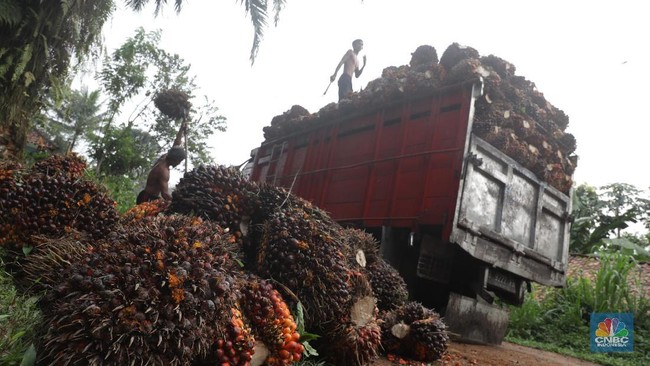
The operation of the Balikpapan RDMP on 12 January 2026 with a capacity of 360,000 barrels per day and the planned mandatory implementation of B50 in the second half of 2026 open a new corridor for national energy resilience. This momentum transforms the national energy architecture towards economic sovereignty based on high value addition.
Ending Dependence on Diesel Imports
For years, Indonesia has imported large quantities of CN 48 and CN 51 diesel. The Ministry of Energy and Mineral Resources (ESDM) states that diesel import volumes reached 8.3 million tons in 2024, then fell to 5 million tons in 2025 in line with improvements to national refinery infrastructure. However, it should be noted that the foreign exchange spent on these imports flows out of the country without meaningful benefits to the domestic economy.
The operation of the Balikpapan RDMP will significantly reduce this foreign exchange leakage. The Balikpapan refinery’s diesel production capacity will now rise from 125,000 barrels per day to 156,000 barrels per day, increasing national diesel production to 26.5 million kilolitres per year.
Meanwhile, national diesel needs amount to 39.8 million kilolitres per year. Through the ongoing B40 programme, which contributes 15.9 million kilolitres from FAME (fatty acid methyl ester), the remaining crude diesel needs are only around 23.9 million kilolitres, meaning domestic production is already in surplus by 2.6 million kilolitres. In line with this, Minister of ESDM Bahlil Lahadalia has affirmed that starting in 2026, Indonesia will no longer import CN 48 and CN 51 diesel.
A. B50 and CPO Absorption
The B50 programme means a 50% mixture of CPO-based biodiesel in diesel sold in Indonesia. Based on projections from the Ministry of ESDM, this policy will drive domestic CPO absorption to nearly 18 million tons per year, up from the B40 absorption of around 14 million tons.
Its economic benefits are also worth considering. The additional absorption of 4 million tons of CPO for biodiesel means 4 million tons of CPO that will no longer be exported as raw material, but instead processed domestically through the biodiesel and oleochemical industries.
The conversion of CPO into FAME, glycerin, and green chemistry products creates a much longer value chain - involving biodiesel plants, distributors, and 145 fuel terminals across Indonesia. Based on Ministry of ESDM data, the B40 programme alone has already created added value from CPO amounting to Rp20.43 trillion and absorbed around 1.9 million workers from upstream to downstream. With B50, this downstream ecosystem will strengthen further.
B. Three Reasons Why the Second Half of 2026 Is the Right Time
The first reason is the momentum for accelerating foreign exchange savings, the sooner the better. Based on Ministry of ESDM data, the biodiesel programme from 2020 to 2025 has already proven itself with total savings reaching US$40.71 billion.
With B50, the government projects additional savings of US$10.84 billion per year - a figure that could fund thousands of infrastructure projects for public prosperity and social welfare.
The third reason is that B50 creates a domestic demand floor amid stagnation in CPO production. When export markets fluctuate due to geopolitical factors or declining global demand, domestic biodiesel demand becomes an anchor for price stability of fresh fruit bunches for farmers.
This policy will protect 2.6 million palm oil farming households from volatility they cannot control by maintaining domestic demand. As per the Ministry of ESDM study, the 2025 biodiesel programme or B40 alone has created added value from CPO of Rp20.43 trillion and reduced CO2 emissions by 38.88 million tons, with a multiplier effect of 2.3 to 2.5 times through the oleochemical industry.
C. It Is Time for Indonesia to Build Its Own Energy Sovereignty
Amid ongoing wars that make global oil supply routes from unstable regions cause supply chain uncertainty, as Minister of ESDM Bahlil Lahadalia has repeatedly emphasised, Indonesia can no longer rely on fuel imports from abroad.
B50 is a step to reduce the impact of this uncertainty. From the Balikpapan refinery now pumping biodiesel, to millions of hectares of palm plantations becoming fields of green energy, all this potential is right in front of us.
B50 is not just an energy resilience programme; it is an integrated downstream strategy that unites four goals at once: energy supply sovereignty, massive foreign exchange savings, creation of trillions of rupiah in added value, and protection of palm oil farmers’ welfare. It is time to build energy resilience with our own hands, from our own palm oil, for the prosperity and welfare of the nation.