
The Blessing of Plantations: The Quiet Path to People's Prosperity
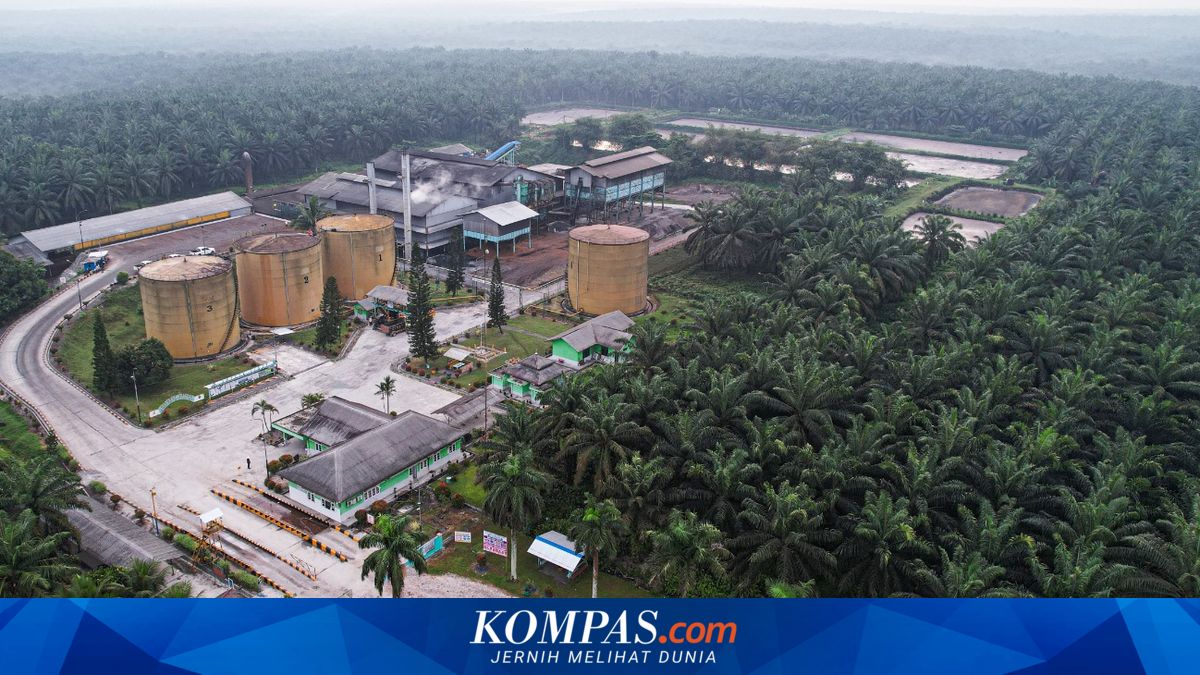
Amid the spotlight and significant attention on industrialisation, infrastructure development, and the digital economy, Indonesia’s plantation sector continues to advance quietly, yet with tangible impacts.
In the last two years, this subsector has demonstrated resilience as well as strong leverage for the national economy.
Data from the Central Statistics Agency (BPS) records that the agriculture, plantation, forestry, and fisheries sector in 2025 remains one of the pillars of the economy, contributing around 13 percent to Gross Domestic Product (GDP).
Moreover, plantations serve as a direct source of livelihood (on farm) for more than 17 million farming households across Indonesia.
From the perspective of international trade, plantation commodities remain the backbone of non-oil and gas exports.
Palm oil leads with export values in the range of 25-35 billion USD in the last two years if including all derivative products. However, Indonesia’s strength does not stop at palm oil.
Commodities such as coffee, cocoa, coconut, pepper, nutmeg, and various spices also show positive export trends.
Indonesia remains the world’s main producer of nutmeg with a global market share of more than 60 percent, as well as one of the main exporters of pepper and coconut.
The aggregate value of Indonesian spice exports in recent years has been recorded approaching 1.5-2 billion USD per year, indicating that these commodities hold a strategic position in global trade.
This reflects structural changes that are beginning to occur, where farmers are becoming involved in more profitable value chains.
The key to strengthening the plantation sector lies in increasing productivity at the upstream level.
The government, through the Ministry of Agriculture and the Directorate General of Plantations, has implemented various strategic programmes to address classic challenges, namely old plant conditions, low productivity, and limited access to technology.
The People’s Palm Oil Rejuvenation Programme (PSR) serves as a concrete example. By 2025, this programme has covered more than 300,000 hectares of smallholder palm oil land.
With the use of superior seeds and better cultivation practices, productivity that previously ranged from 2-3 tons of oil per hectare has the potential to double in the medium term.