
The Biggest Challenge Isn't Ghosts, But How Society Manages Fear
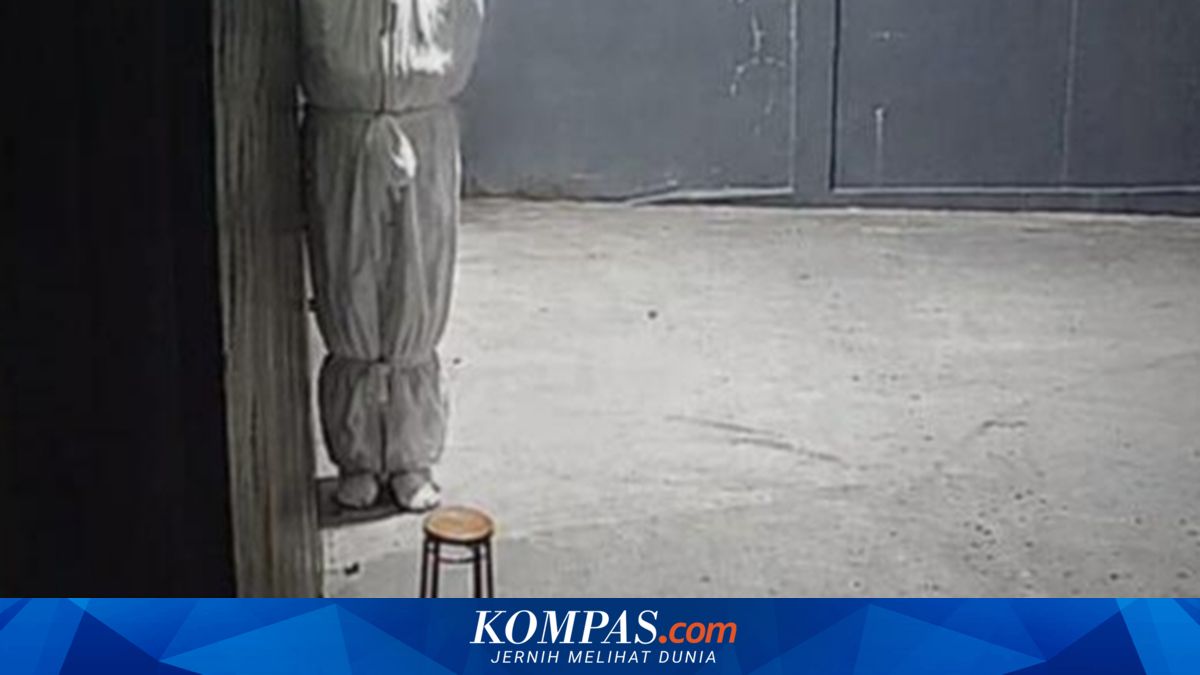
Recurring pocong terror in Indonesian society is not merely a hoax-based myth. Behind the frequently emerging issue lies a larger question about how people manage fear and information in the digital age. Sociologist Rakhmat Hidayat says such phenomena arise from a blend of a culture of fear, the spread of rumours, social media influence, and the psychological state of urban populations that are easily triggered by mystical symbols. ‘In today’s digital society the biggest challenge isn’t the ghosts but how society manages fear and information rationally,’ he told Kompas.com via WhatsApp on Friday, 22 May 2026. He notes that Indonesians have a cultural closeness to supernatural narratives such as pocong, kuntilanak, and genderuwo that have long lived in the collective memory. As a result, when someone wears a pocong costume at night, the public immediately links it to fear already ingrained. ‘The consequence is that when someone wears a pocong costume at night, the public quickly associates it with fear that has been embedded,’ he said. According to Rakhmat, such social fear often does not arise from facts but from rumours that are continually reinforced collaboratively. ‘Initially there was only a pocong-costumed busker, then it developed into stories of a pocong with a knife, pocong terror, even linked to criminality or the supernatural,’ he said. He describes this as a form of ‘collective fear’ that continues to grow because it is recorded, shared, and embellished via social media. He adds that Indonesia’s horror phenomena have also become part of entertainment culture and collective curiosity. ‘Horror phenomena in Indonesia are often entertainment, frightening but also compelling to follow,’ said Rakhmat. He notes that sensationalism on social media makes fear-infused information more likely to go viral than ordinary information.