
The Belangar Tradition in Lombok: Mourning and Collective Prayers Over a Week
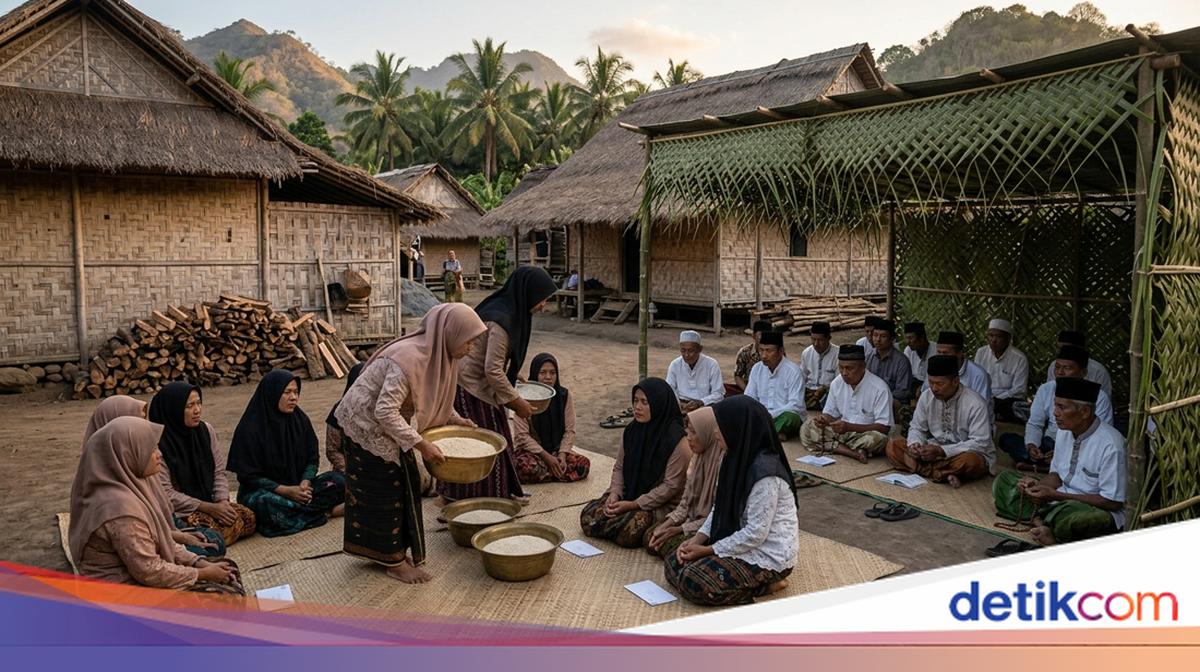
Lombok’s traditions are heavily influenced by Balinese culture. However, the local community maintains its own distinctiveness, including in how it responds to death. One such tradition is belangar, which serves as a form of social empathy when a community member passes away.
In Lombok, where the majority of the population is Muslim, belangar involves visiting the house of mourning to meet the bereaved family. This tradition is more than just paying respects; it is a way for the community to share emotional burdens and demonstrate that the grieving family is not alone.
The sorrow of loss is often difficult to express. Through belangar, the community provides support and a reminder that the connection with the deceased does not end abruptly, but continues through the social relationships left behind.
Belangar and Its Background
Belangar is a tradition of the Sasak people referring to mourning visits or calling on the bereaved family. This is typically done a day after the burial, followed by a week of zikir activities as a form of empathy and support for the family.
Family members and neighbours arrive carrying basins filled with rice. This rice is pelangar rice, used to prepare cakes during the week-long event. There is a distinction between women and men; the men provide envelopes for the selamatan ceremony.
When news of a death arrives, the bedug drum is sounded as a signal that someone has passed away. The community then gathers from the village or neighbouring villages. The family also prepares vegetable rice as a thank-you in return for the rice brought by the mourners.
The construction of the bier is assisted by the community. The bier is made from bamboo stalks assembled to form a structure for transporting the body to the grave.
The bier consists of lasah urung batang or the top cover, tied with wenang bola or white thread forming an arch. The white thread symbolises purity, as the deceased will face the Creator.
Funeral Procession
The procession for preparing the body follows Islamic sharia, starting with bathing using water, bidara leaves, camphor, and fragrances. The body is then shrouded—three layers for men and five for women—before being prayed over.
This is followed by the usual sembahyang mayit or funeral prayer. The final process is betukaq or burial, carried out communally and attended by neighbours, relatives, and others.
Post-Burial Death Customs
The tradition does not end with burial. In Sasak custom, there is Nepong Tanaq, which is the announcement of a death—in modern times using mosque speakers.
Nepong Tanaq aims to inform the community that someone has passed and requires attention for their journey to the afterlife. This signifies that death is a communal matter, not private.
This is followed by Nelung on the third day. Nelung is the name of an offering intended to separate the spirit from the body.
This ritual is believed by the Sasak people that angels will guide the spirit to heaven. It involves preparing aiq wangi, known as flower water, in a container, and inserting kepeng tepong or old holed coins to be prayed over and blessed by sprinkling the aiq wangi on the grave.
On the fifth day, the ceremony of reciting the Quran begins, dedicating the rewards as provisions for the deceased, continuing until the sixth day.
On the seventh day, the tradition culminates in the more complex perebaq kayu ritual. In this procession, villagers fell trees for firewood and take coconut leaves woven into tetaring. These mats are used as seating, temporary roofing, and gathering spaces for guests sitting cross-legged.
On the seventh day, materials for begawe or the event are handed over from the hosts (epen gawe) to the event managers (inaq gawe).
Meanwhile, on the ninth day, the deceased’s family holds a selamatan inviting guests to offer prayers and recite the Quran for the deceased’s salvation.
Within this sequence, the talet mesan ritual is performed, which is the installation of a permanent gravestone on the tomb, replacing the temporary bamboo marker.
Upon reflection, Lombok’s culture upholds customary values alongside the Islamic teachings adhered to, as long as they do not contradict sharia. Belangar exemplifies how traditions are not merely inherited but nurtured as a form of social empathy.