
The Beginning of the Fall of Honda Car Dealers in Indonesia
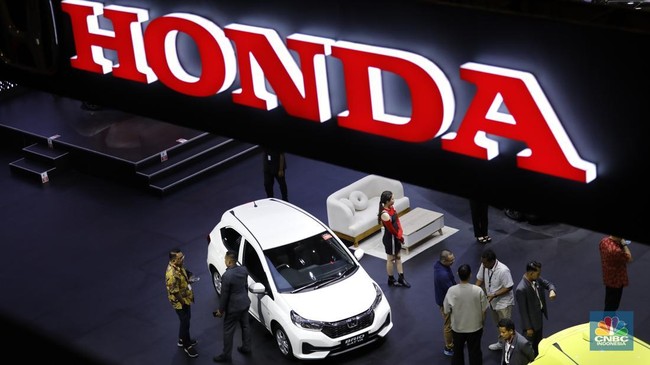
The phenomenon of closures in the Japanese car dealer network, particularly Honda, has come under scrutiny in recent times. This trend did not occur suddenly but is part of the significant shifts in the national automotive industry.
One prominent case is the closure of the Honda Triputra Bekasi dealer located on Jalan Siliwangi Raya Narogong in Bekasi City. This dealer officially ceased operations on 1 July 2025. Shortly afterwards, the site transformed into a showroom for Chinese car brands Chery and Leap, under the new name Chery Trimegah Bekasi.
Similar phenomena have occurred in Tangerang and Serpong areas. The Honda Union Tangerang dealer has reportedly stopped operating and has switched to becoming a BYD dealer, one of the major Chinese electric vehicle players aggressively expanding its network in Indonesia. The Honda Serpong dealer has also changed to Chery.
Looking back, the trend of Honda dealer closures has actually been evident since early 2025. At that time, Honda permanently closed several of its dealer networks in major cities, such as the Jemursari area in Surabaya and Honda Pasteur in Bandung.
“Some dealers have indeed decided to close their operations based on their respective internal considerations. For us at HPM, the most important thing is to ensure that consumers continue to receive the best service, with a network that is fast, easily accessible, and close to their needs,” said Yusak Billy, Sales & Marketing and After Sales Director of PT Honda Prospect Motor, to CNBC Indonesia some time ago.
Most recently, a Honda dealer in Pondok Pinang, South Jakarta, has also closed. This move has sparked public questions regarding the state of Honda’s automotive retail business in the country.
“Our focus is not only on the number of dealers but on the quality of the network and the effectiveness of coverage in every area. We want to ensure that every existing dealer network remains strong, relevant, and capable of providing optimal service to consumers,” he said.
The closure of several dealers indicates a change in strategy for managing the distribution network. Honda signals that dealer closures do not always reflect declining performance but are part of efficiency and network optimisation.
In recent years, automotive consumer behaviour has changed. The digitalisation of vehicle purchasing processes, from information searching to transactions, has made the role of physical dealers no longer the sole main channel. As a result, several dealer locations deemed less productive or not strategic have been abandoned.
In addition, high operational costs for dealers, from land rental, labour, to facility investments, have become factors pressuring the sustainability of that network’s business, especially amid increasingly tight competition.
On the other hand, this momentum is being utilised by automotive brands from China that are expansive in Indonesia. Names like BYD and Chery are aggressively expanding their dealer networks by utilising existing locations previously occupied by Japanese brands.
This strategy is considered more efficient because it does not require building from scratch, while also accelerating market penetration. Moreover, the electric vehicle trend, which is the main focus of several Chinese brands, further drives the need for a wide distribution network in a short time. The boss of Chery, who recently opened its dealer in Serpong replacing Honda, revealed the reason.
“We want to ensure that consumers get more than just easier and more responsive access through an integrated 3S service system, but also a more comfortable and reliable vehicle ownership experience up to after-sales,” said Budi Darmawan Jantania, Vice Country Director of Chery Business Unit.
The national automotive industry is currently in a transition phase, where shifts towards electrification, changes in consumer behaviour, and operational cost pressures are the main factors reshaping the competitive landscape.
The closure of several Honda dealers in the last two years is part of the big picture of changes in Indonesia’s automotive industry. On one side, established players are carrying out efficiency and strategy adjustments, while on the other side, new brands, especially from China, are seizing opportunities to expand their market share.