
The Arab Conflict Destabilises the World; Trump Finally Permits Iran to Do This
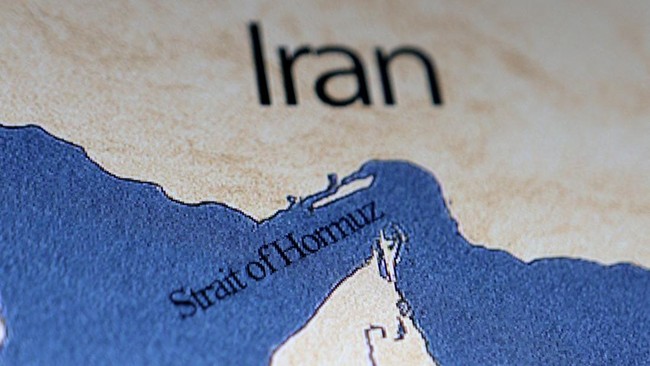
Jakarta, CNBC Indonesia – The United States government has granted permission for Iranian oil tankers to transit the Strait of Hormuz amid the intense tensions engulfing the region. This step was taken by Washington as an urgent measure to maintain the stability of global oil supplies, which are increasingly threatened.
US Treasury Secretary Scott Bessent disclosed on Monday that the decision represents a reality that must be adopted at present. His office deliberately permitted such shipping activities to continue for the sake of the global energy market’s interests.
“Iranian ships have already started departing, and we are allowing this to happen to supply the needs of the entire world,” Bessent told CNBC International on Tuesday (17 March 2026).
Furthermore, Bessent explained that several tanker vessels supplying energy requirements for India have successfully completed transit along the vital route. Additionally, US authorities also believe that some Chinese vessels have obtained access to traverse the closely monitored region.
Bessent stated that the government estimates tanker traffic along the strait will continue to increase in the near term. This is predicted to occur shortly before the United States Navy and allied forces begin formal escort operations for commercial vessels in the waters.
“The government estimates that tanker traffic through the strait will increase further before the US Navy and allied forces begin escorting commercial vessels through the waterway,” Bessent said.
Conditions in the Strait of Hormuz have effectively been closed to regular commercial shipping since early March. This closure was triggered by retaliatory strikes launched by Iran in response to ongoing attacks carried out by the United States and Israel.
For context, the Strait of Hormuz is a critical artery for global energy supplies, with approximately 20 million barrels of oil transiting daily. Disruptions in this region have triggered a significant surge in global crude oil prices, which has in turn created serious concerns about an energy supply crisis and soaring global food prices.