
The 10 Countries with the Highest Electricity Consumption in the World – Does Indonesia Feature?
The 10 Countries with the Highest Electricity Consumption in the World – Does Indonesia Feature?
Jakarta, CNBC Indonesia - Global electricity demand continues to surge in line with industrial growth, digitalisation, and the use of artificial intelligence-based technology. However, some countries use more electricity than others.
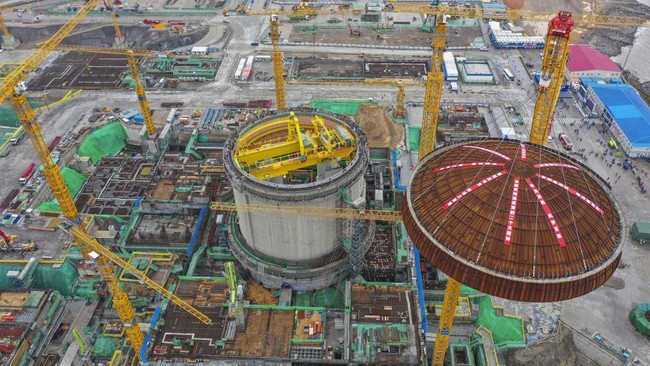
According to the latest data from Ember, China will still dominate global electricity consumption in 2025. The country is projected to use up to 10,573 terawatt-hours (TWh) of electricity in 2025, which is equivalent to about one-third of the world’s electricity consumption.
China Unrivalled in Global Electricity Consumption
The surge in China’s electricity consumption is driven by massive industrialisation, rapid urbanisation, and the expansion of the manufacturing sector over the past two decades. In the early 2000s, China’s share of global electricity consumption was still below 10%. Now, the country has become the centre of global energy demand.
The large amount of electricity needed also reflects the size of a country’s economy. Industrial activities, transportation, digital data centres, and household consumption all require a very large supply of electricity.
Therefore, countries with large economies tend to dominate the list of the world’s largest electricity consumers.
Canada and the US are the Kings of Electricity Consumption per Capita
Although China leads in total consumption, the picture changes when electricity consumption is calculated based on population. Canada is the country with the highest per capita electricity consumption among major countries in the world.
The high per capita electricity consumption in these countries is influenced by a number of factors, such as cold climates, larger house sizes, and more intensive use of electronic devices and vehicles.
In the future, global electricity demand is expected to continue to increase with the electrification of transportation, the development of AI-based industries, and the increasing widespread transition to clean energy in various countries.