
Thanks to These People, Indonesians Break Their Fast by Eating Fried Food
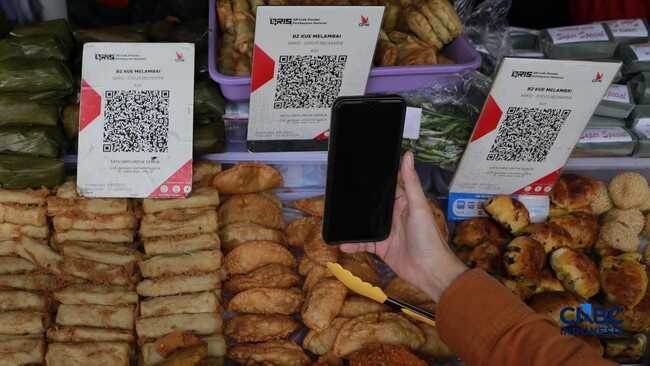
Jakarta, CNBC Indonesia - Fried food, from bakwan to risol, is a staple for Indonesians breaking their fast during Ramadan. However, the presence of fried food on the plates of Indonesians did not happen overnight. There is a long history behind the popularity of fried food in the archipelago.
In culinary history, the technique of frying is relatively new. Since ancient times, people were accustomed to cooking using baking, grilling, and boiling techniques.
The earliest evidence of frying dates back to Egypt. Blake Lingle in Fries! (2016) mentions that Egyptians have been frying food since 2500 BC. From Egypt, this tradition spread to Europe and China.
In these two regions, as noted by Christopher Cumo in Food that Changed History (2015), frying gradually became an inseparable tradition.
The people of China and Europe developed various frying techniques, from deep frying to stir-frying. These techniques created different flavors in food.
Because people in these two regions often migrated around the world, the culture of frying food also spread. In America, for example, before the arrival of Europeans, the population did not know the technique of frying. It was only when Europeans arrived that they began to do so.
This also happened in Indonesia. The technique of frying became more widespread since the arrival of Chinese and Europeans in the 16th century. They came to Indonesia not only physically but also brought their culture, including the technique of frying.
Other factors that fostered the culture of fried food in Indonesia
Over time, the culture of frying became known to all levels of society. This was due to two things. First, the emergence of coconut oil as a raw material in the 19th century made the frying process easier. Second, the introduction of butter as a frying ingredient by Europeans, especially the Dutch.
Fadly Rahman in Jejak Rasa Nusantara: Sejarah Makanan Indonesia (2016) mentions that butter became a staple for frying in the Dutch East Indies in the 20th century. During this period, a famous butter brand, Blue Band, emerged.
From this, variations of fried foods, which are now called gorengan, such as fried bananas and fried tempeh, emerged. However, the availability of fried food was not always accessible to all levels of society because butter and coconut oil were difficult to obtain due to their high prices.
It was only during the New Order era that things changed. President Soeharto’s policy of allowing the development of the palm oil industry made cooking oil widely available. With a lower price, coconut oil was gradually replaced by palm oil.
Since the 1970s, there have been two major players in the cooking oil industry: Liem Sioe Liong, also known as Sudono Salim, and Eka Tjipta Widjaja. Eka Tjipta Widjaja produced the Filma and Kunci Mas brands of oil, while Salim produced the Bimoli brand.
In addition to producing Bimoli, Salim also played a key role in the production of another ingredient for fried food, namely wheat flour, with the Bogasari brand in 1970. According to Richard Borsuk and Nancy Chng in Liem Sioe Liong and Salim Group (2016), the emergence of the Bogasari brand made wheat flour more accessible to the Indonesian people. Flour became cheaper, and people became accustomed to consuming processed flour-based foods, including fried food.
These two key ingredients for making fried food then became an important business in Indonesia during President Soeharto’s leadership. Strong support from the government made Salim and Eka Tjipta’s businesses dominate the market. As a result, Indonesians became more accustomed to fried food, or other fried flour-based foods.
Then, a change in the consumption patterns of the population occurred since the 1990s. Fried food became something that could not be separated from the daily menu of the people. From morning to night, people always consume fried food. On the streets, there are fried food vendors. During certain moments, such as breaking the fast during Ramadan, people eat fried food.
So, Soeharto, Salim, and Eka Tjipta indirectly taught the Indonesian people to get used to enjoying fried food at every moment, including breaking their fast.