
Thailand Implements WFH and Restricts Fuel Station Operations to Avert Energy Crisis
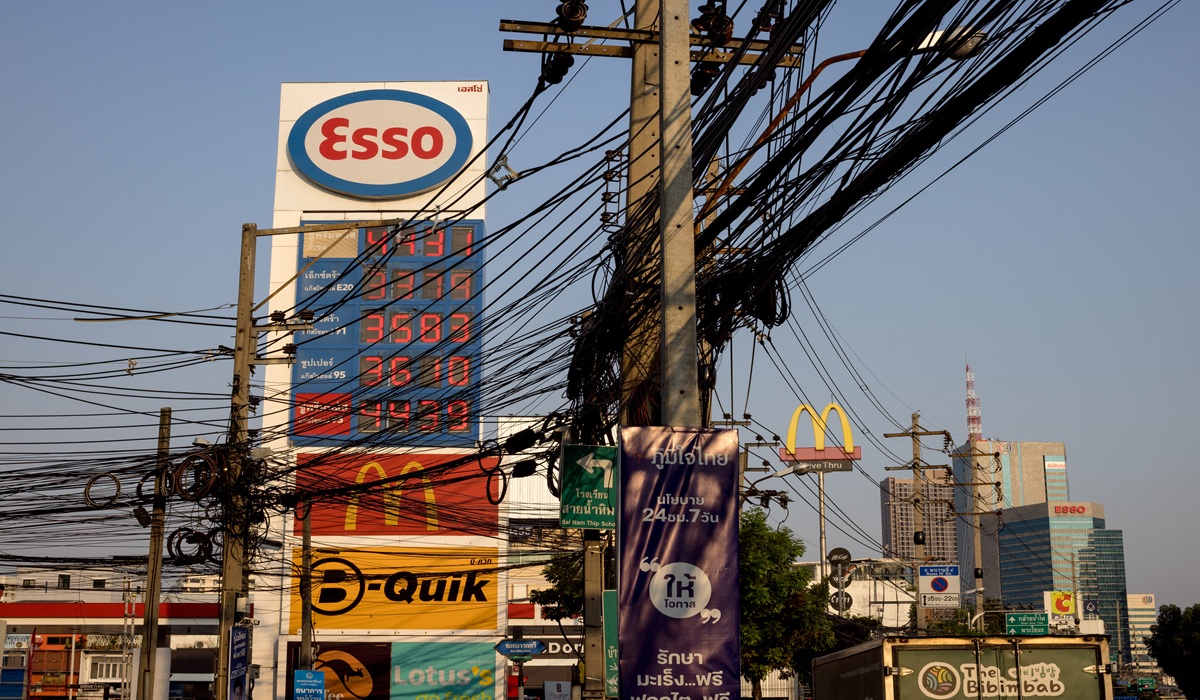
The Thai government has officially implemented large-scale energy conservation measures for government agencies and state-owned enterprises.
This action was taken following the surge in global oil prices due to escalating conflict in the Middle East, which has begun to threaten energy security stability in Thailand.
One of the key points in this policy is the implementation of work from home (WFH) for civil servants. Thai Deputy Government Spokesperson Lalida Periswiwatana explained that Prime Minister Anutin Charnvirakul has instructed every agency to immediately map positions that allow working from home.
“The Thai Prime Minister has instructed government agencies and companies to immediately implement measures allowing employees to work from home, when their duties do not affect the provision of public services,” Periswiwatana said at a press conference at Government House, Bangkok, on Tuesday (10 March).
In addition to the WFH policy, the government has also taken firm steps by suspending all government-funded overseas official travel. Activities such as educational visits and employee internships must now be conducted domestically to reduce foreign exchange expenditure.
The Thai government is currently finalising a broader conservation programme, including plans for the daily closure of petrol stations from 22:00 to 06:00 local time.
The urgency of this policy is based on Thailand’s dependence on global energy supplies.
“The Middle East is the world’s largest energy supplier and the ongoing conflict there is causing constant volatility in global oil and energy prices. The government therefore regards managing the energy crisis threat as a top priority,” Periswiwatana added.
In office environments, Thailand’s Ministry of Energy has proposed several conservation steps. Employees are encouraged to set air conditioning to 25-26 degrees Celsius and wear short-sleeved clothing rather than jackets or ties, except for official events.
Supporting measures include restricting lift usage and switching off electronic equipment and computers when not in use.
As of 5 March, Thailand’s total oil reserves were recorded at approximately 2.1 billion gallons, whilst daily demand reaches 32.7 million gallons.
Currently, petrol and diesel prices are maintained through subsidies from the National Oil Fund, which applies for 15 days from early March, although the government has yet to decide whether to extend the subsidy programme.