
Thai civil servants required to work from home to save energy amid oil crisis
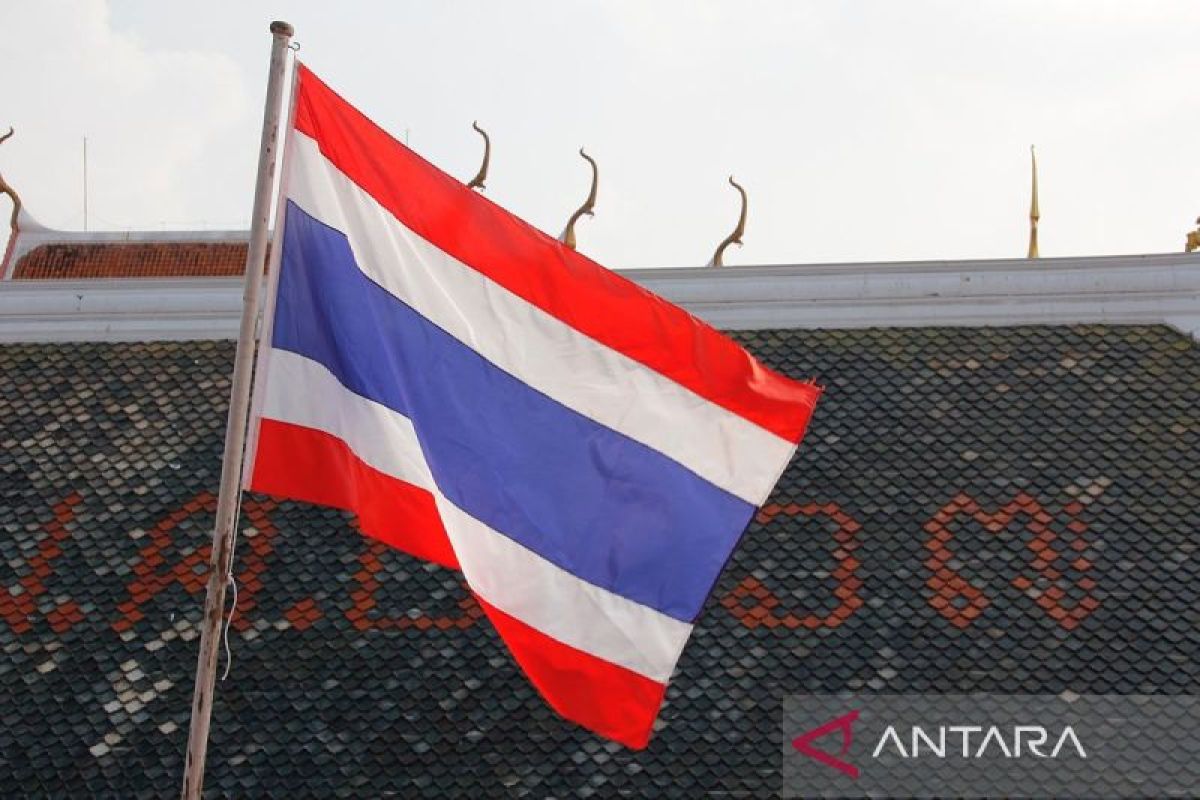
Thailand has implemented a series of energy-saving measures requiring civil servants to work from home (WFH) and use stairs instead of lifts amid disruptions to oil supplies caused by conflict in the Middle East.
Acting Prime Minister Anutin Charnvirakul announced the range of energy-saving initiatives on Tuesday (10 March), according to reports from Bangkok Post.
The measures include suspension of overseas travel, setting air-conditioning temperatures to 26–27 degrees Celsius, and wearing short-sleeved shirts without ties.
The government is also asking staff to switch off electrical equipment when not in use, reduce photocopier usage, and encourage online meetings.
Bangladesh and Pakistan have introduced similar measures, including school closures and remote working arrangements, to reduce the impact of rising energy costs.
Iran subsequently launched drone and missile attacks targeting Israel, Jordan, Iraq, and Gulf nations hosting US military facilities.
Iran has reportedly closed the Strait of Hormuz since 1 March. This shipping route handles approximately 20 million barrels of oil per day and 20 per cent of the world’s liquefied natural gas trade.
US President Donald Trump warned on Monday (9 March) that any Iranian attempts to disrupt energy shipments would trigger a response “20 times harder” than previous US strikes.