
Textile Industry Targets Export Surge, Leveraging Zero Percent Tariffs to the US
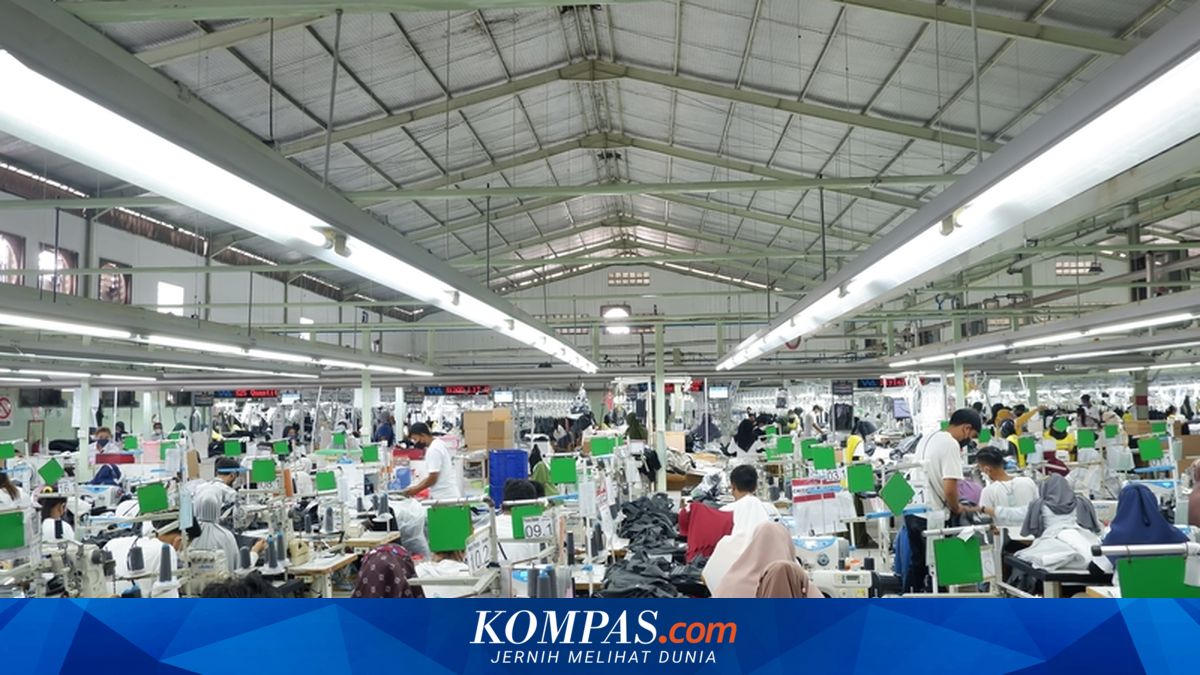
JAKARTA, KOMPAS.com — Indonesia’s national textile and textile products (TPT) industry is targeting enhanced competitiveness and exports amid expanding global market access opportunities, particularly to the United States (US).
This momentum aligns with the signing of the Agreement on Reciprocal Trade (ART) between Indonesia and the United States, which provides zero percent import tariff facilities through the tariff-rate quota (TRQ) scheme.
The policy is seen as a crucial catalyst for the national textile industry, which has long faced various challenges, from production cost pressures to global competition.
Chairman of the Indonesian Textile Association, Jemmy Kartiwa Sastraatmadja, stated that this policy brings new optimism for industry players.
“The implementation of zero percent tariffs through this agreement provides new optimism for the national textile industry. Access to global markets is increasingly open, thereby strengthening Indonesia’s competitiveness at the right moment,” Jemmy said in a press release on Wednesday (8/4/2026).
“We hope this can serve as the starting point for the revival of the textile and textile products (TPT) industry, by encouraging investment inflows, improving export performance, and reactivating the entire industry ecosystem,” Jemmy added.
With a large workforce base, this sector is one of the key pillars of the national manufacturing industry.
In terms of performance, Indonesia’s textile exports are currently recorded at around $4 billion. With the support of trade policies and improved competitiveness, the industry targets significant growth up to tenfold over the next decade.
Efforts to enhance competitiveness do not solely rely on market access but also on industry transformation through technology adoption and production efficiency improvements.
Additionally, the influx of new investments is expected to strengthen the industry structure, from upstream to downstream.
Strengthening the supply chain is deemed essential to ensure production sustainability and increase the industry’s flexibility in responding to global market demands.
On the other hand, sustainability issues and environmentally friendly manufacturing practices are increasingly becoming primary concerns.