
Textile Industry Pressured by Rupiah Weakness, APSyFI Proposes This Policy
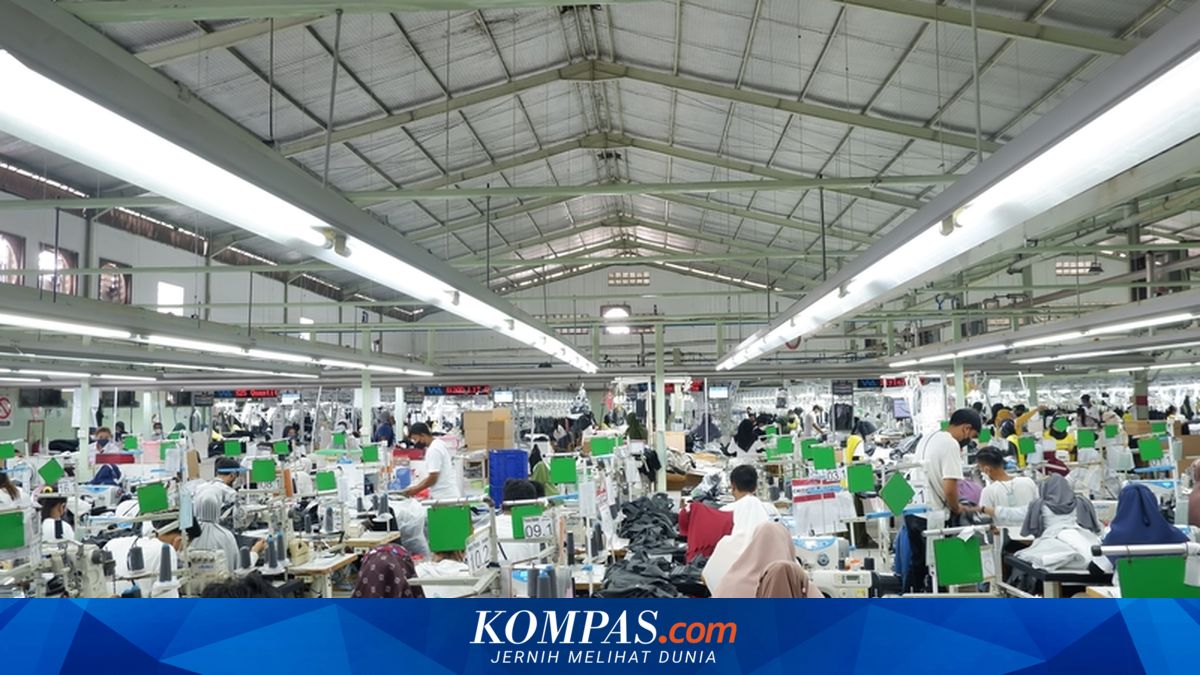
Jakarta — The Indonesian Fibre and Filament Yarn Producers Association (APSyFI) is urging the government to implement a tight foreign exchange policy amid rupiah weakness affecting the textile and textile products (TPT) industry. Businesses are feeling the pressure as raw material prices rise and supply remains tight, not fully recovered following the Hormuz Strait closure. The situation is seen as increasingly burdensome for an industry still reliant on imported intermediate inputs.
“In addition to short‑term capital outflows from the financial markets and debt service payments on government debt, the industry’s heavy dependence on imported inputs, especially intermediate raw materials, is also a driver of rupiah weakness,” Redma said in a written statement on Thursday, 21 May 2026.
Redma notes that the TPT trade balance by volume in 2025 had long been in deficit. While the value balance remained in surplus, when illicit imports, machinery and spare parts, petrochemicals, and other auxiliaries are counted, the sector’s foreign exchange outflow is estimated at about US$2 billion.
APSyFI also supports Bank Indonesia’s move to limit foreign exchange conversions with no underlying to a maximum of US$25,000. The policy is seen as narrowing the room for illicit import practices that have burdened the domestic industry.
Moreover, APSyFI proposed that forex underlying transaction documents be directly linked to tax payment documents to strengthen oversight of import activities. “This means carefully calculating each company’s import raw material needs, mapping the value chain to determine real import requirements, while considering domestic capacity,” he added.
Redma estimates that imports of intermediate raw materials for the TPT sector could be reduced to around US$5–6 billion per year if import substitution policies are implemented effectively.
Separately, Agus Riyanto, Executive Director of the Korps Alumni Himpunan Mahasiswa Islam Rayon Textile (KAHMI Tekstil), said that the current low utilisation of the textile industry results from import policies not yet optimally controlled. He suggested the move could reference the government’s export proceeds obligation (Devisa Hasil Ekspor, DHE) already applied to the natural resources sector (SDA).