
Testing the Rationale Behind the Personal Vendetta Pretext in the Andrie Yunus Sulphuric Acid Case
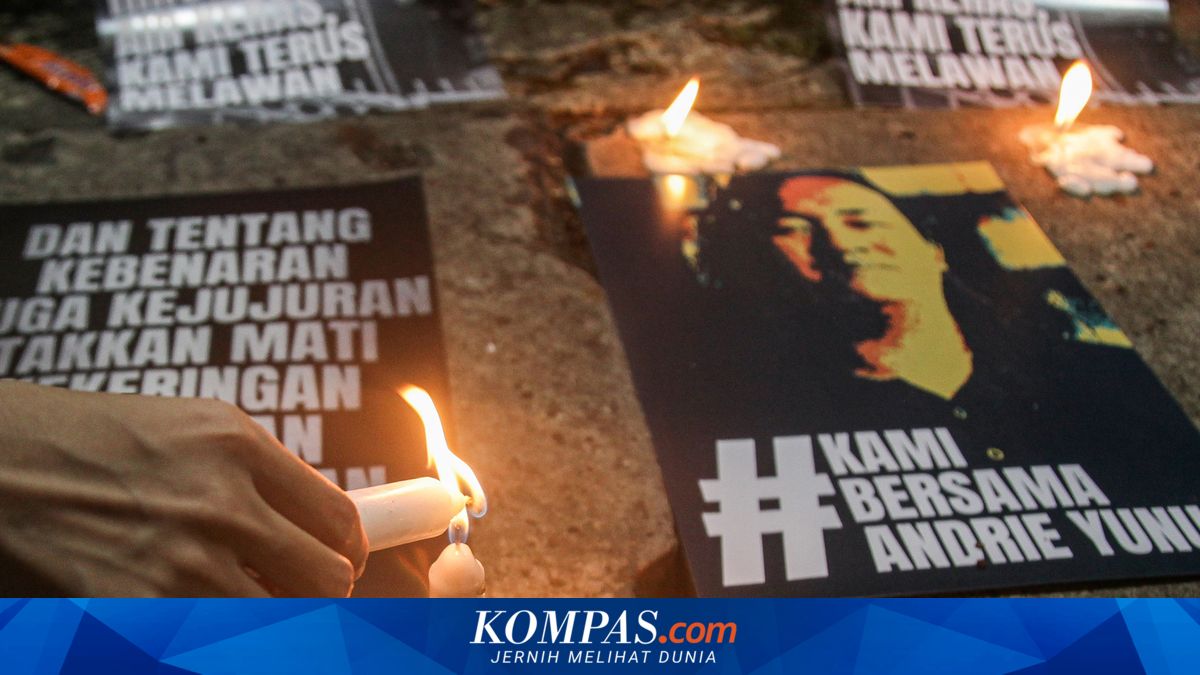
This article is a column; its entire content and opinions represent the personal views of the author and do not reflect the editorial stance.
There are explanations that close questions. There are explanations that answer questions. Both can use the same words. However, their values differ. The first is called a pretext. The second is called a rationale. This difference is important in the matter of the sulphuric acid pouring incident against Deputy Coordinator of Kontras, Andrie Yunus.
The Military Court describes the motive of the four defendants as personal vendetta. All four are active soldiers from the TNI’s Denma Bais unit.
The term ‘motive’ in this context serves as the prosecutor’s allegation, not a legal fact. An allegation becomes a rationale only after being proven in court. In court, testimonies confront evidence.
Testing is not rejecting. Testing means examining whether the testimony can bear the full weight of the case. The simplest tests are three in number.
First, the number of perpetrators. Second, the unity of the unit where the defendants are based. Third, the manner in which the incident unfolded. These three elements distinguish a pretext from a rationale.
The first question concerns the number. There are four defendants in this case: three officers and one non-commissioned officer.
The word ‘personal’ generally refers to individual matters. When applied to four people, the explanatory burden multiplies fourfold.
The public needs to know what personal relationships these four individuals simultaneously had with Andrie Yunus.
Whether all four ever interacted directly with him, in what matters, when, and where.
Such summarisation is characteristic of a pretext, not a rationale. A rationale does not summarise. A rationale details.