
Testing the 'Indonesian Paradox' in the Hands of Power
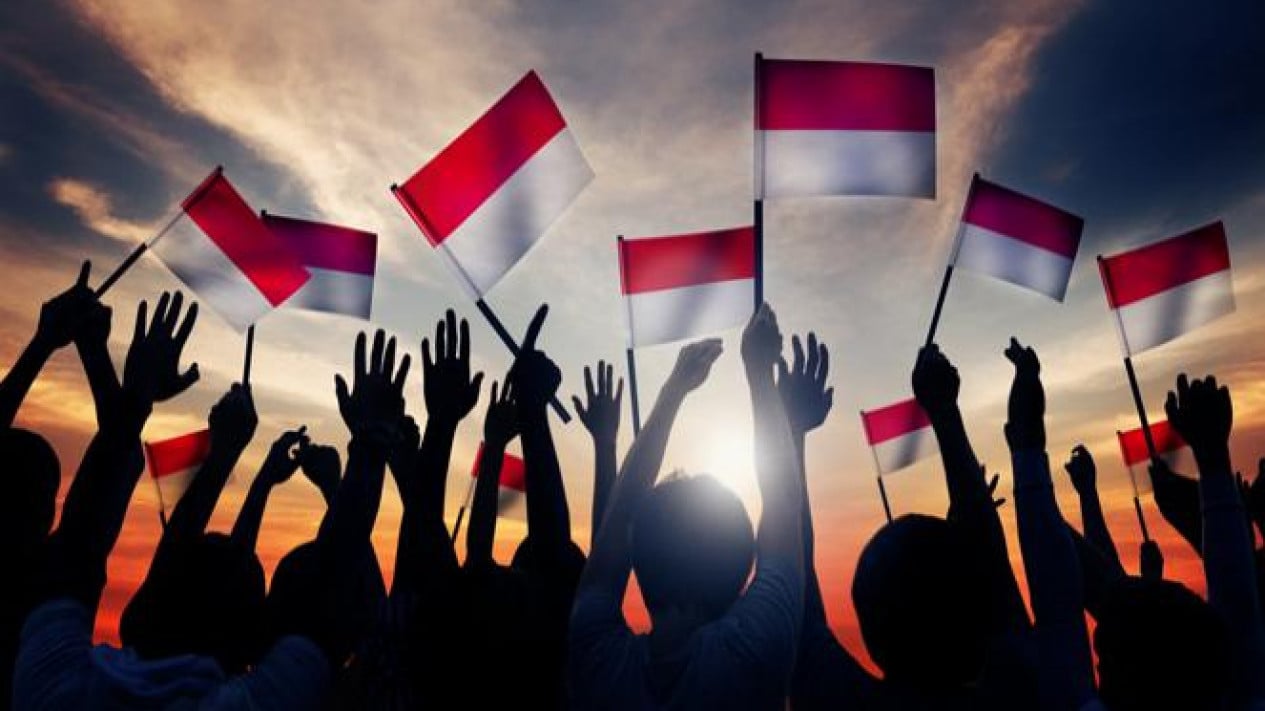
Political and legal observer Pieter C Zulkifli reminds us that ideas of sovereignty and justice are tested by the practices of power itself. The direction of the nation’s future depends on the courage to honestly reform the system. “Leadership is tested not by power, but by the courage to listen and uphold justice amid the shadow of oligarchy and legal crises,” said Pieter in his statement in Jakarta on Monday, 13 April 2026. He assesses that there is one irony that keeps repeating in the history of this nation: the higher someone’s position, the greater the temptation to stop listening. However, he says, that is precisely where the quality of leadership is tested, whether it remains humble or turns into a tower far from reality. For him, amid the reality of a legal system that is often questioned and the strengthening shadow of oligarchy, the public needs leaders who are not merely strong, but also humble and pro-people. “We often define a great leader as someone who is strong, firm, and respected. However, in the tradition of Indonesian local wisdom, from the value of ngayomi to the philosophy of ‘the fuller the rice, the more it bends’, a true leader is one who is willing to listen, embrace, and walk alongside the people. He is not a peacock demanding respect, but a root that strengthens the tree so it doesn’t fall in the storm,” he said. He quotes the warning of Buya Hamka, namely ‘A good captain is not one who is skilled at steering the ship, but one who knows the secrets of the ocean’. This means that leadership is not merely about control, but about depth of understanding of the realities faced. Pieter says this reflection becomes even more relevant when rereading the ideas in the book Paradoks Indonesia by Prabowo Subianto. In the book, there is a stark warning that Indonesia could ‘head towards destruction’ if state governance is not improved. “This statement is not mere rhetoric, but the result of reading data on economic inequality, resource leaks, and weak institutions,” he said. “When the author of that book is at the peak of power, the public’s question becomes unavoidable: does the direction of policy today answer the concerns in that book, or does it confirm the fears that were once written?” he said.