
Testing the effectiveness of the government's rice reserves
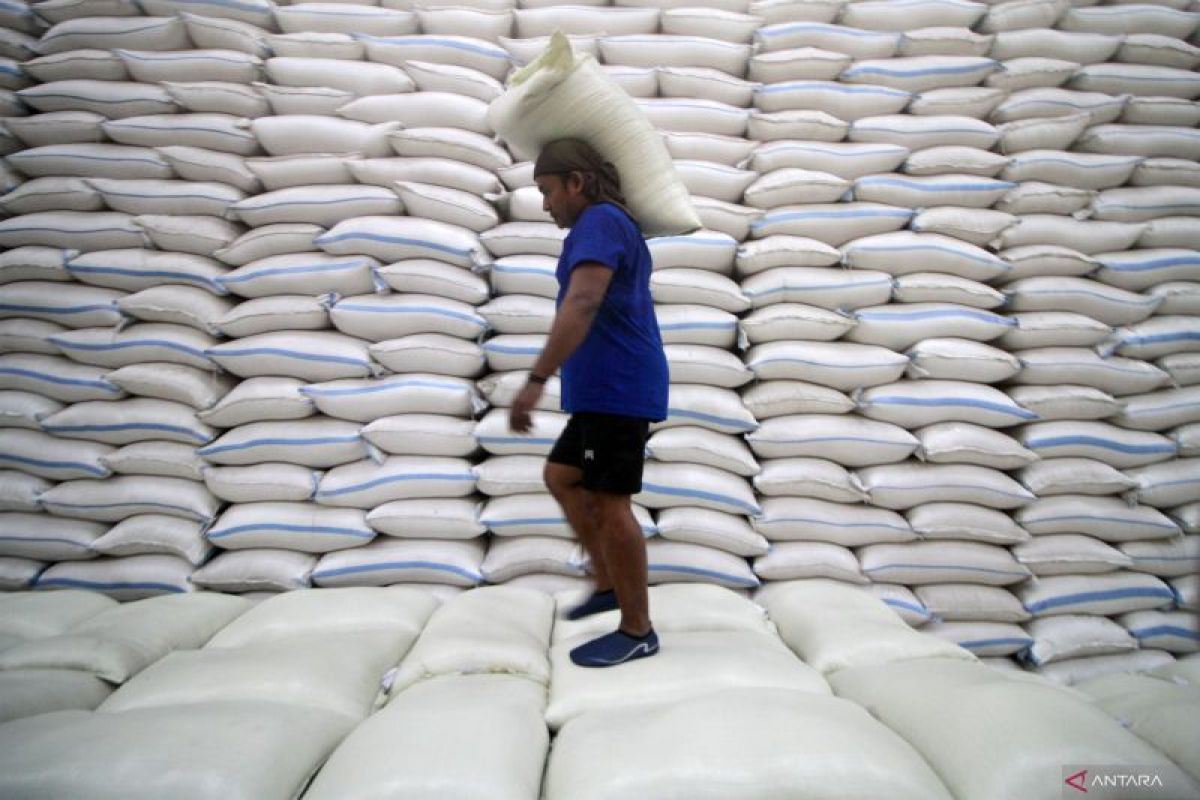
The most important thing is to ensure that every tonne of rice stored does not become a burden, but a hope. Jakarta (ANTARA) - There is something changing in Indonesia’s food landscape when the government’s rice reserve figures soar far beyond the norm. That number is not just a statistic, but a signal that the state is shifting its perspective on risks, resilience, and the future of food. When stocks reach 4.7 million tonnes in April 2026 and have the potential to break through 6 million tonnes in the coming months, Indonesia is not just talking about abundance, but also about the great responsibility that accompanies it. The government’s move through Presidential Instruction No. 4 of 2026, which targets the procurement of 4 million tonnes of paddy or rice, is a strategic decision that cannot be read simply. This arises from the awareness that food security can no longer rely on old reactive patterns. The world is changing rapidly. Extreme weather like El Niño, geopolitical tensions, to global supply chain disruptions make food an increasingly vulnerable issue. In this context, large reserves become a kind of “national insurance” that gives the state room to remain calm when the global situation is uncertain. However, like all major policies, success is not only measured by numerical achievements, but by the quality of its management. This is where the complexity arises. Rice storage