
Testing Indonesian Consumer Literacy
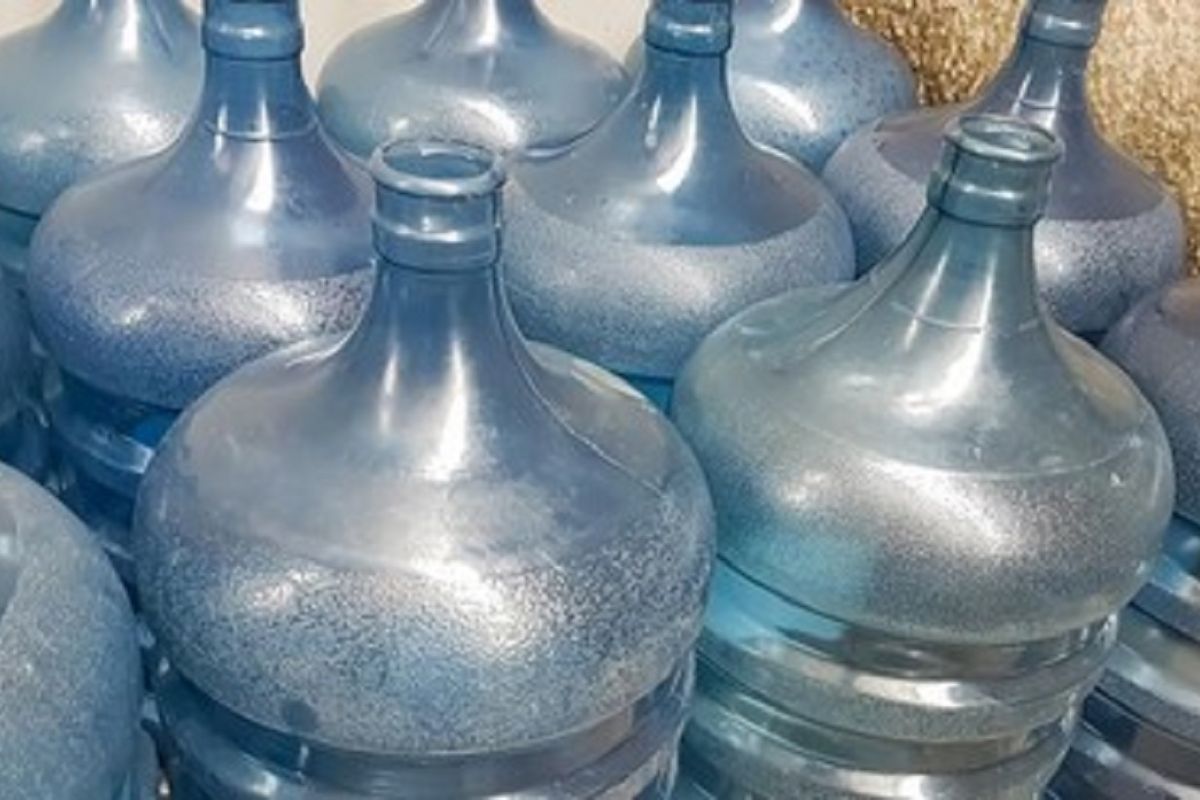
There was a time when consumers chose bottled water based on very simple considerations: the container had to be sturdy, leak-proof, portable, and able to maintain water quality. Anything meeting these criteria was deemed sufficient. However, in recent years, Indonesian consumers’ perception of packaging has changed dramatically. Terms once confined to laboratories are now part of everyday conversation. Terms such as BPA-Free, microplastics, food grade, endocrine disruptors, and plastic recycling codes have become familiar to the public. This shift reflects growing consumer concern over food safety and health, indicating improved literacy in these areas. In various shopping centres, ‘BPA-Free’ labels are prominently displayed on household products ranging from baby bottles, children’s lunchboxes, tumblers, dispensers to water jugs. The label has gradually evolved into a readily understood safety symbol, as if its presence signifies a product’s superiority over those without it. However, behind this simple message lies far more complex scientific issues. Bisphenol A (BPA) is not a new substance. It has been used since the 1950s as a component in polycarbonate plastic, known for its strength, clarity, impact resistance, and heat tolerance. For decades, this material has been used in various food and beverage applications, including baby bottles and reusable water jugs. However, in the late 2000s, international studies began highlighting the potential for BPA to migrate from packaging into food or beverages under certain conditions. Canada was among the first to restrict BPA in baby bottles in 2008, followed by several European countries. Since then, ‘BPA-Free’ has become a symbol of modern household product safety. In Indonesia, this trend initially emerged in baby products, with many parents prioritising ‘BPA-Free’ labels when selecting items for their children. However, over time, the term’s usage has expanded across various household product categories. The market has moved quickly, but public understanding of the scientific context behind the term has not necessarily kept pace. Risk management As a result, BPA has become a simplistic symbol to be avoided, while ‘BPA-Free’ is perceived as an absolute safety guarantee. However, regulatory approaches are not as simple as categorising materials as safe or dangerous. Food safety regulations are fundamentally built on risk management. The Food and Drug Supervisory Agency (BPOM) does not ban polycarbonate for food packaging. Instead, it regulates the safe migration limit of BPA from packaging into consumable products. BPOM Chief Penny K. Lukito (2016-2023) stated during a 2022 BPOM seminar that the migration limit for Bisphenol A in polycarbonate plastic packaging is set at 0.6 parts per million. The regulation does not prohibit the use of polycarbonate jugs.