
Tensions Rise! US Considers Strike on Iran's Revolutionary Guard Commander
The United States government is reportedly considering various military options against Iran if the current ceasefire fails. Reports indicate that initial plans focus on targeting senior individuals deemed to be obstructing negotiations.
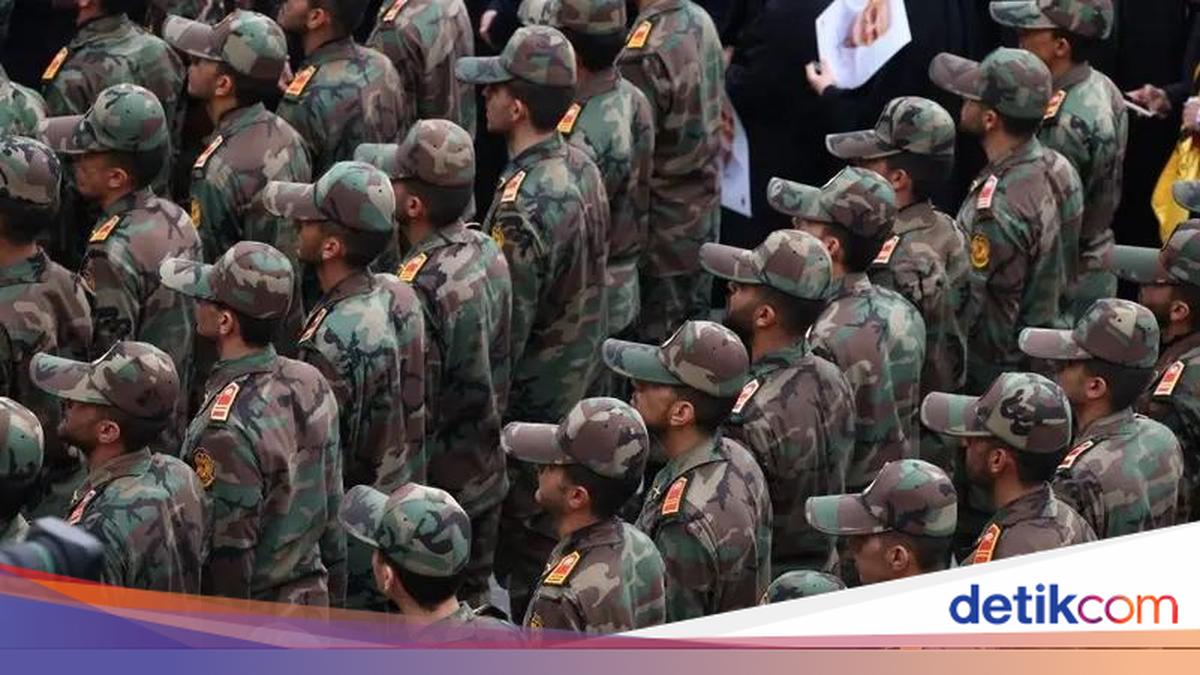
According to a CNN report on Friday (24/4/2026), citing sources familiar with the discussions, one option under consideration involves strikes against specific Iranian military leaders. Among them is Ahmad Vahidi, who serves as the supreme commander of the Islamic Revolutionary Guard Corps (IRGC).
In addition to individual targets, US military planners are preparing broader operational scenarios focused on Iran’s maritime capabilities. According to CNN, these plans include “dynamic targeting” of assets around the Strait of Hormuz, the southern Arabian Gulf, and the Gulf of Oman, encompassing fast attack boats, minelaying vessels, and other asymmetric tools used by Tehran to disrupt shipping lanes.
The Strait of Hormuz has been a primary pressure point in this conflict. Disruptions to traffic through the Strait of Hormuz by Iran have shaken global markets and complicated US President Donald Trump’s efforts to control inflation.
CNN reports that previous US operations focused more on targets deeper within Iranian territory. However, the new plans will shift attention to concentrated strikes on strategic maritime points. Sources warn, however, that military action alone may not be sufficient to quickly reopen the Strait of Hormuz.
“Unless you can conclusively prove that 100 percent of Iran’s military capabilities are destroyed… it will depend on how much risk [Trump] is willing to take,” a source familiar with the planning told CNN.
Another escalation pathway under consideration is striking dual-use infrastructure, including energy facilities, to pressure Iran back to the negotiating table. According to CNN, US officials have warned that such a step would represent a significant and controversial escalation.
A US Department of Defense official declined to comment on specific plans. He only told CNN: “The US military continues to provide options to the President, and all options remain open.”