
Tensions Rise Following Deadlock in US-Iran Negotiations
The second round of indirect negotiations between Iran and the United States concluded without concrete results. The Oman-mediated talks were held again in Geneva, Switzerland, this week, following the initial round on 6 February.
The relocation to Geneva was reportedly linked to the parallel agenda of American negotiators who were also involved in discussions with Ukraine and Russia. This layered diplomacy reflects the complexity of Washington’s agenda amid global tensions.
Iranian Foreign Minister Abbas Araghchi arrived with a technical delegation and, according to his ministry’s spokesperson, was prepared to remain for “several days or even several weeks” until an agreement was reached. After more than three hours of indirect negotiations with US special envoy Steve Witkoff and President Donald Trump’s son-in-law Jared Kushner, Araghchi described the atmosphere of the talks as “constructive” and expressed optimism.
However, diplomatic optimism is often part of the rhetoric. Mohammad Ghaedi, a Middle East international relations expert from George Washington University, assessed that the core of the conflict remains unchanged. “The US does not accept Iran’s uranium enrichment. That is their red line. Tehran will not halt enrichment either,” he said.
Uranium: The immovable red line
For Washington, the cessation of uranium enrichment is the primary condition. For Tehran, stopping centrifuges would mean relinquishing the option of nuclear deterrent capability. Iran denies developing atomic weapons and insists its programme is for peaceful purposes.
Iran’s National Security Council chairman, Ali Larijani, in an interview with Al Jazeera, affirmed that Iran’s nuclear facilities are open to International Atomic Energy Agency inspections. A day before the negotiations, Araghchi also met with IAEA Director General Rafael Grossi.
Relations between Tehran and the UN body had deteriorated following America’s strikes on Iranian nuclear facilities last year. Iran had even restricted access for a number of international inspectors.
As a compromise, Tehran signalled its willingness to limit its nuclear programme and transfer uranium enriched to 60 per cent to a third country. However, in return, Iran demands the lifting of sanctions — something Washington has thus far refused.
“Tehran may be more prepared to bear the risk of military conflict than to completely halt enrichment,” said Ghaedi.
Other issues such as the ballistic missile programme and Iran’s support for militant groups were excluded from the negotiating table from the outset.
The shadow of Hormuz
Tensions have escalated beyond the diplomatic arena. Iran’s Supreme Leader Ali Khamenei renewed threats against America, accusing Trump of seeking regime change in Tehran. Trump had previously stated that “regime change” might be the best path for Iran.
Domestic pressure on the Iranian government has intensified following waves of major protests and diaspora demonstrations demanding political change. Meanwhile, the Islamic Republic has sought to demonstrate military strength. The Revolutionary Guard conducted naval exercises and fired missiles at targets in the Strait of Hormuz — the 55-kilometre-wide waterway that serves as the lifeline for global oil exports.
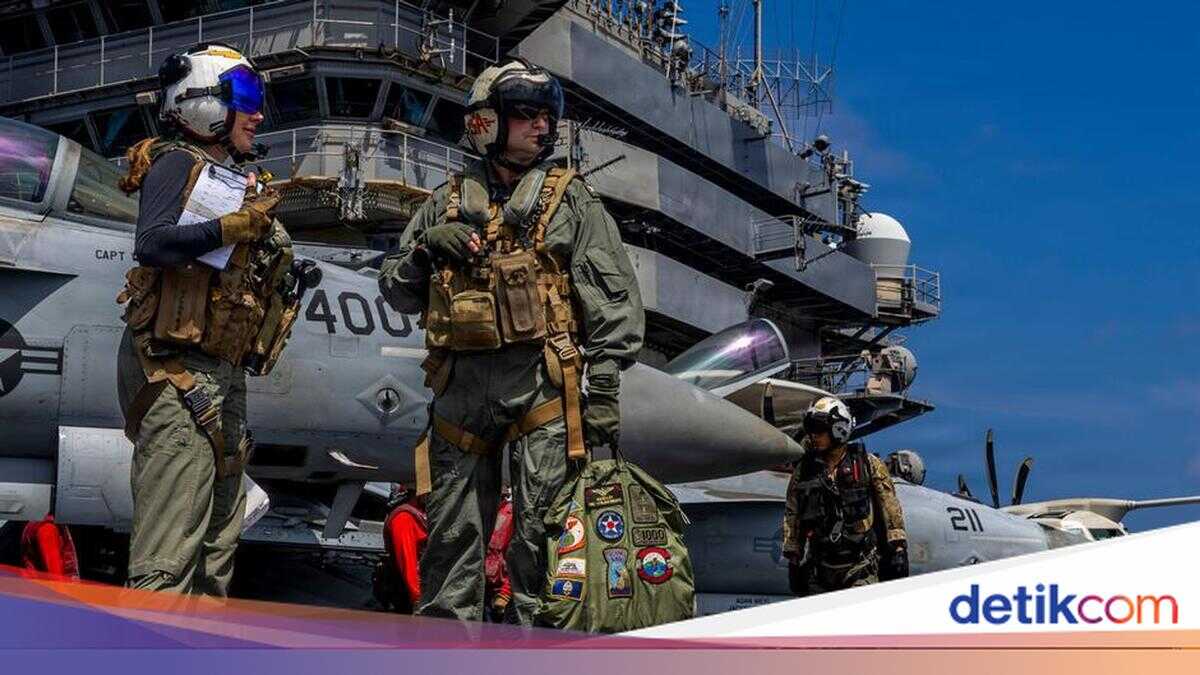
Washington responded by deploying the aircraft carriers USS Abraham Lincoln and USS Gerald R. Ford to the region. Vice President JD Vance stated that the US has “many options” to prevent Iran from obtaining an atomic bomb.
In an opinion piece in The Wall Street Journal, Araghchi warned that Iran would “fight by all available means” should war break out. From Tehran’s perspective, open conflict could mean strikes on oil facilities and a surge in global energy prices — a political risk for Washington ahead of the midterm elections.
Ghaedi cautioned that the decision to start a war may rest with America, but the duration and impact of the conflict cannot be fully controlled.
The ball is in Tehran’s court
US government sources indicated there was progress in Geneva, but important details remain unresolved. Iran is reportedly set to return in two weeks with a detailed proposal to bridge the differences.
Although the month of Ramadan is underway, Ghaedi assessed there is no guarantee of military restraint. “Religious considerations sometimes play a role, but they are never a guarantee.”
For now, diplomacy and threats proceed in tandem. Optimism is voiced, red lines are maintained, and the Strait of Hormuz remains a symbol of how thin the line is between negotiation and confrontation.