
Tensions in the Middle East Push China to Strengthen Investment in Karawang-Subang
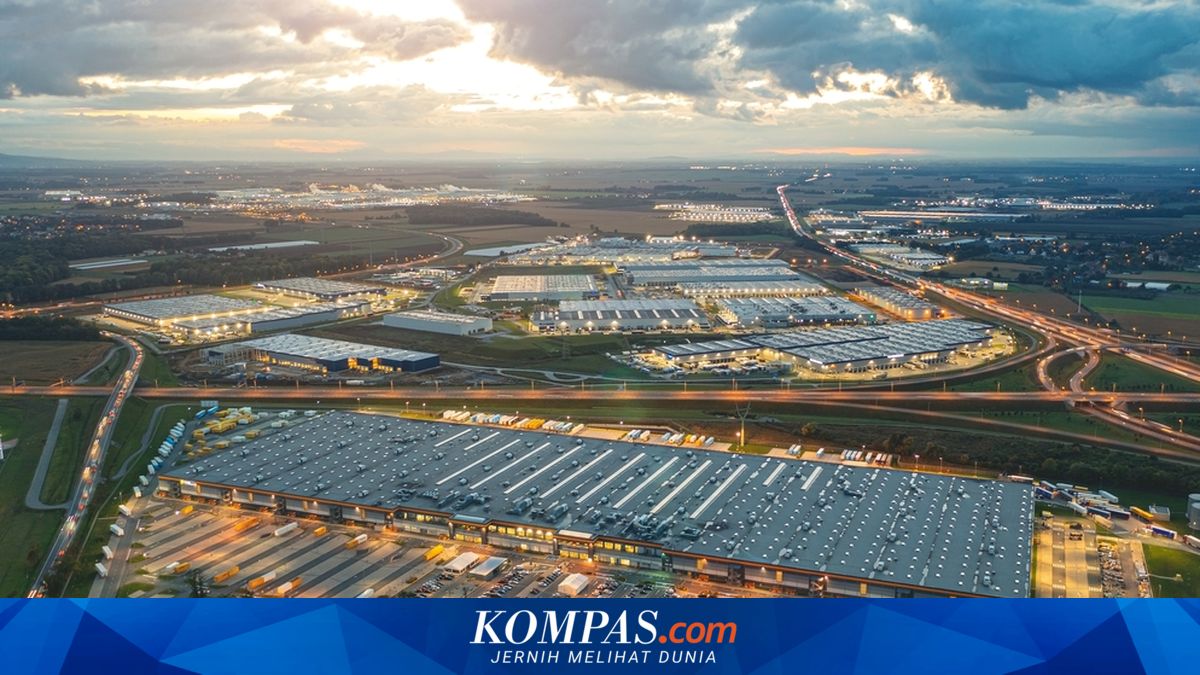
KARAWANG – Indonesia’s national industrial map is experiencing a significant shift.
As land in Bekasi, West Java reaches saturation and property prices surge, the centre of gravity for manufacturing activity is moving substantially eastward.
Karawang, Purwakarta, and Subang have become the primary anchors for Indonesia’s manufacturing future.
However, the shadow of global geopolitical tensions, including escalating conflicts in the Middle East between Iran and US-Israeli allies, is beginning to force capital holders to recalculate their strategies.
For the past decade, Bekasi has been the premier destination. However, limited availability of new land and the maturity of the region have compelled industrial expansion to move towards Karawang and Subang.
Whilst Bekasi and Karawang increasingly absorb plug-and-play Standard Factory Buildings, Purwakarta and Subang have become targets for large-scale land users requiring extensive industrial plots.
Supported by integrated infrastructure such as Patimban Port and new expressway networks, these regions are developing into regional distribution hubs.
The Government has provided both fiscal and non-fiscal incentives in Special Economic Zones to attract global manufacturing giants.
Indonesia is increasingly viewed as a strategic location by Chinese manufacturers.
Manufacturing diversification has become essential for Chinese companies to avoid trade barriers in Western markets. However, this stability is now being tested by global sentiment.
Rivan Munansa, Head of Industrial and Logistics Services at Colliers Indonesia, notes that although Chinese companies’ operations in Indonesia remain stable, new potential investors are beginning to display different behaviour.
According to Colliers’ analysis, global tensions will influence market behaviour across three critical phases.