
Ten Significant Reasons Why Gus Ipul Deserves to Lead NU at the 35th Congress
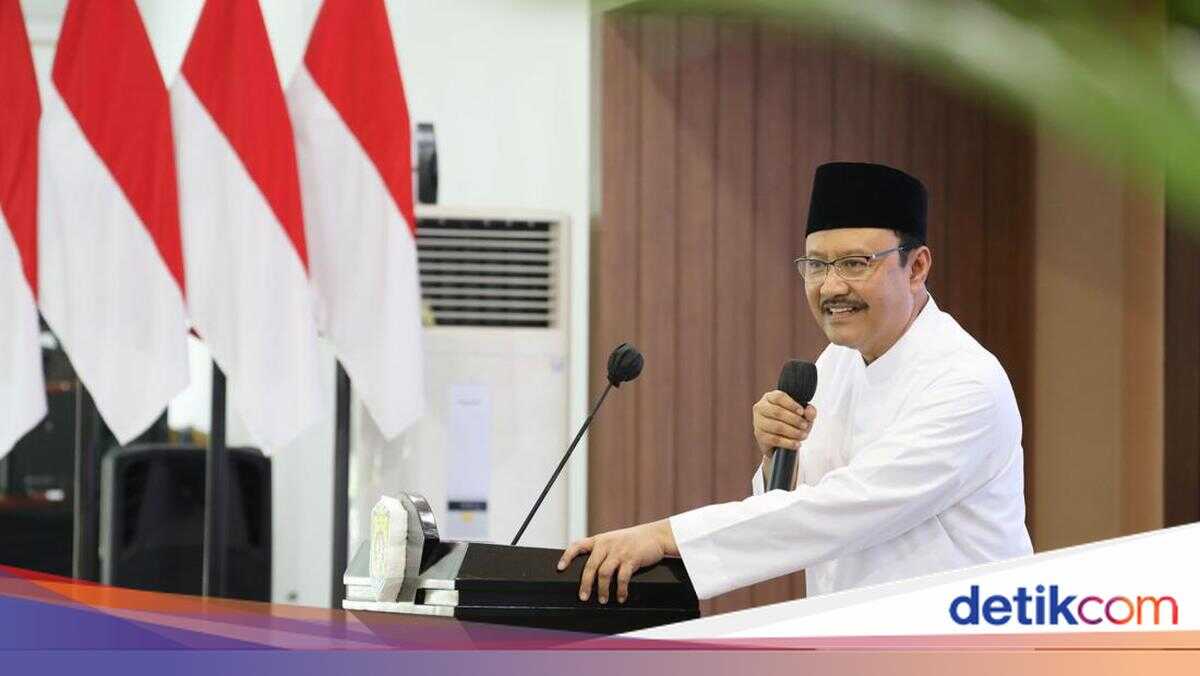
Ahead of the 35th Nahdlatul Ulama (NU) Congress, discourse surrounding the future leadership of the world’s largest Islamic organisation is heating up. Amid increasingly complex challenges — from shifts in global geopolitics to digital transformation — NU requires a leader who not only possesses strong genealogical roots but also exceptional managerial competence.
Drs. H. Saifullah Yusuf, widely known as Gus Ipul, has emerged as a central figure whom many consider meets the criteria of a “Transformative Leader” for Jam’iyah Nahdlatul Ulama.
His combination of governmental experience, role as PBNU Secretary General, and position as a cultural representative of the pesantren tradition gives Gus Ipul unique qualifications to steer NU forward. The following are ten compelling reasons why Gus Ipul deserves to lead NU going forward:
First: Managerial capability and bureaucratic experience. Unlike traditional organisational structures, NU currently manages massive assets, from educational institutions to healthcare facilities. Gus Ipul’s experience as a Minister, two-term Deputy Governor of East Java, and Mayor of Pasuruan provides him with professional governance expertise. He understands how to run an organisation efficiently and accountably.
Second: Bridging the generational gap. Gus Ipul possesses a unique ability to communicate with senior Kiai (Mustasyar) whilst simultaneously engaging millennials and Gen-Z within NU. As former Chairman of GP Ansor, he understands the psychology of youth movements yet maintains the value of tawadhu’ (humility) towards teachers and scholars.
This cultural strength also enables him to bridge the kiai in the Syuriyah ranks with structural administrators in the Tanfidziyah, creating the harmony necessary for the highest level of decision-making.
Third: Extensive cross-sectoral networks. Future NU leadership requires broad access at both national and international levels. Gus Ipul maintains close relationships with various elements of the nation: government, business, and interfaith activists. This network is crucial for strengthening NU’s bargaining position in public policy and humanitarian diplomacy.
Fourth: A vision for the organisation’s economic self-sufficiency. One of NU’s greatest challenges is economic independence. Gus Ipul frequently emphasises the importance of strengthening the economic capacity of NU members (Nahdliyin). With his background, he is predicted to be capable of orchestrating NU’s scattered economic potential into a solid social corporate force.
Fifth: Commitment to religious moderation (wasathiyah). Amid currents of ideological polarisation, Gus Ipul is a figure who consistently champions religious moderation. He thoroughly understands how to translate the concept of Islam Nusantara into tangible action acceptable to the broader public without losing the substance of Aswaja values. NU needs not only a figure who is scholarly in knowledge, but also one who is adept in service (khidmah) and understands the global political and economic landscape.
Sixth: Lengthy experience within PBNU structures. Gus Ipul is neither a “newcomer” nor a free-rider in NU. His dedication began from the grassroots level up to serving as PBNU Secretary General. His deep understanding of the organisation’s articles of association and internal culture enables him to carry out bureaucratic reform without causing disruption.
Seventh: Social sensitivity and closeness to the grassroots. Despite frequently being in circles of power, Gus Ipul is known as a low-profile official who is easily accessible to ordinary people. This egalitarian communication style is essential to ensure that aspirations from Branch (PCNU) and Sub-branch (Ranting) level administrators are truly heard at the Central level.
Eighth: Conflict mitigation ability. The world of organisations is never free from differences of opinion. Gus Ipul is known as a “masterful communicator” capable of cooling tensions. His ability to conduct persuasive lobbying is vital for maintaining NU’s internal solidarity so it is not easily fractured by practical political interests.
Ninth: Adaptation to digital transformation. Gus Ipul recognises that NU must undergo digital transformation. He advocates for the digitalisation of membership data and the utilisation of technology for religious outreach and education. His leadership is expected to bring NU into relevance in the Industry 4.0 era.
Tenth: Strong cultural roots and scholarly lineage. Gus Ipul is not a figure who “suddenly appeared” in NU. He was born and raised in a deeply pesantren environment, as a nephew of KH Abdurrahman Wahid (Gus Dur) and educated at Pondok Pesantren Mambaul Maarif, Denanyar, Jombang. This scholarly and cultural lineage is important in NU, as its leader must possess a deep understanding of the Ahlussunnah Wal Jamaah (Aswaja) tradition.
The 35th Congress is not merely an occasion for a change of leadership, but a momentum for NU to make a great leap forward. With his track record as an organisational activist, his nasab (lineage), sanad (scholarly/organisational credentials), and professional experience as a politician, bureaucrat, and core PBNU administrator, Gus Ipul presents a complete package. He is capable of combining the cultural traditions of the pesantren with modern management.
Amid increasingly complex challenges of the times, Gus Ipul deserves to lead NU in bringing the organisation towards greater self-sufficiency, moderation, and positive impact for the nation and state. He is the answer to NU’s need for a leader capable of preserving tradition whilst pursuing innovation.
Thus, entrusting the mantle of leadership to a figure who is “mature” and possesses a lengthy record of service is a strategic step towards bringing NU into a more illustrious second century.