
Tempo Responds to NasDem's Protest Over Report on Merger Issue with Gerindra
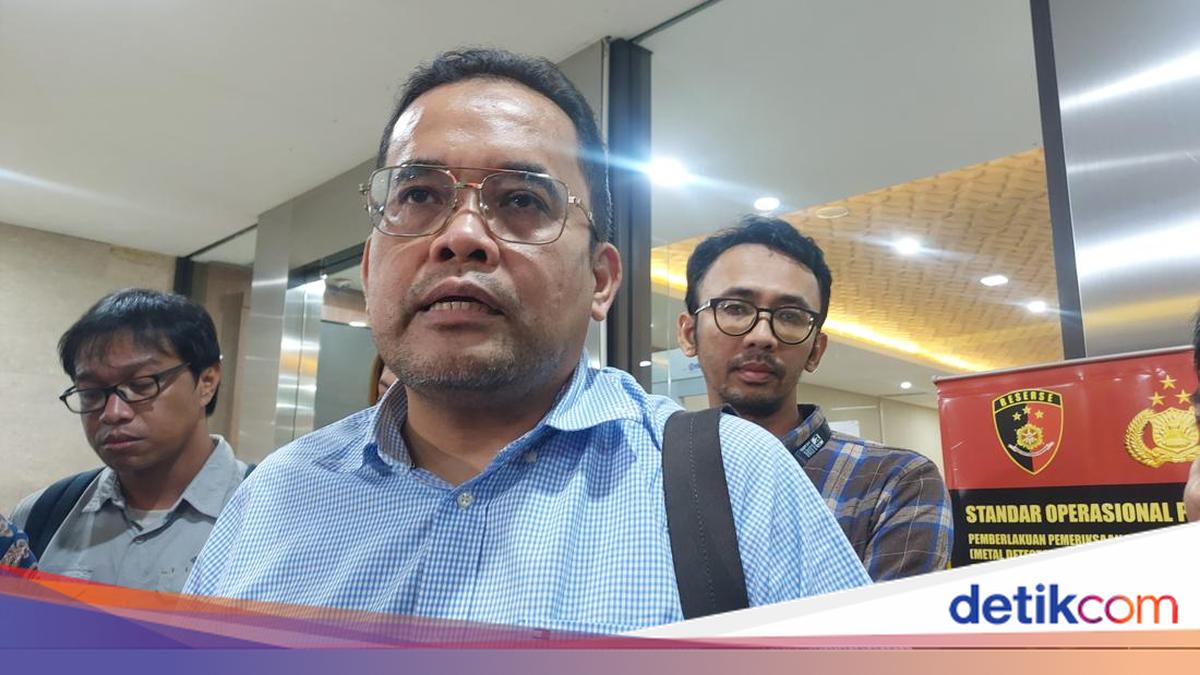
Tempo’s Editor-in-Chief, Setri Yasra, has responded to the protest from DPR RI’s Deputy Chairman of the Legislation Body from the NasDem faction, Martin Manurung, regarding the news coverage of the NasDem merger issue with Gerindra. Setri Yasra respects all forms of assessment related to the reporting presented by Tempo.
“Various assessments of Tempo’s coverage are certainly the right of all parties. For us, such assessments can serve as feedback, because journalistic coverage does not automatically end once it is published or aired. We respect these various assessments,” Setri said when confirmed on Tuesday (14/4/2026).
Setri agrees to involve the Press Council in every reporting dispute. According to her, this is also in line with applicable laws.
“The Press Council’s invitation to evaluate is an appropriate step and in accordance with the law. Press disputes are resolved through the mechanism at the Press Council,” she said.
Setri Yasra stated that any party involved in the reporting can submit a right of reply. However, Setri mentioned that to date, no right of reply or correction submissions have been received regarding that reporting.
“The right of reply is the right of anyone who appears in the reporting, and it is the media’s responsibility to publish it. So far, we have not received any right of reply or right of correction, and if there are any, we will certainly publish them at the first opportunity,” she explained.
Previously, Martin Manurung expressed dissatisfaction with Tempo’s report on the NasDem merger issue with Gerindra. Martin also highlighted the illustration about his general chairman, Surya Paloh.
“What is presented by Tempo magazine, both in the podcast, articles in the magazine, to the cover illustration about the NasDem Party and General Chairman Mr Surya Paloh, is an excessive freedom,” Martin told reporters on Tuesday (14/4).
Martin highlighted the damage to public trust. He alluded to journalistic ethics.
He assessed that the reporting presented by Tempo contains opinions. He is concerned about the stigma that will form in the public regarding it. Martin alluded to the role of the Press Council in that reporting. He requested future evaluations.
“In situations like this, the Press Council, as a referee in the journalistic field, is very important to intervene without having to wait for a report. Tighter evaluation and supervision of journalistic practices,” said Martin Manurung.
“The editorial board, press organisations, and the public need to jointly remind that press freedom must go hand in hand with responsibility. Criticism of unprofessional media is not a form of muzzling, but an effort to maintain the honour of the press as a pillar of democracy,” he added.